Building a Vertical Brand

The Story of Damen + Hastings

Role

Creative Director on the RAA project team

Mandate

Help stand up an RAA-owned brand from zero — identity, product, and go-to-market

Team

Founding team of cross-functional partners across design, product development, merchandising, and sales at Randa Apparel & Accessories

Outcome

Pop-up → DTC → national wholesale partnership with Kohl's

Act 1: Brand Foundation

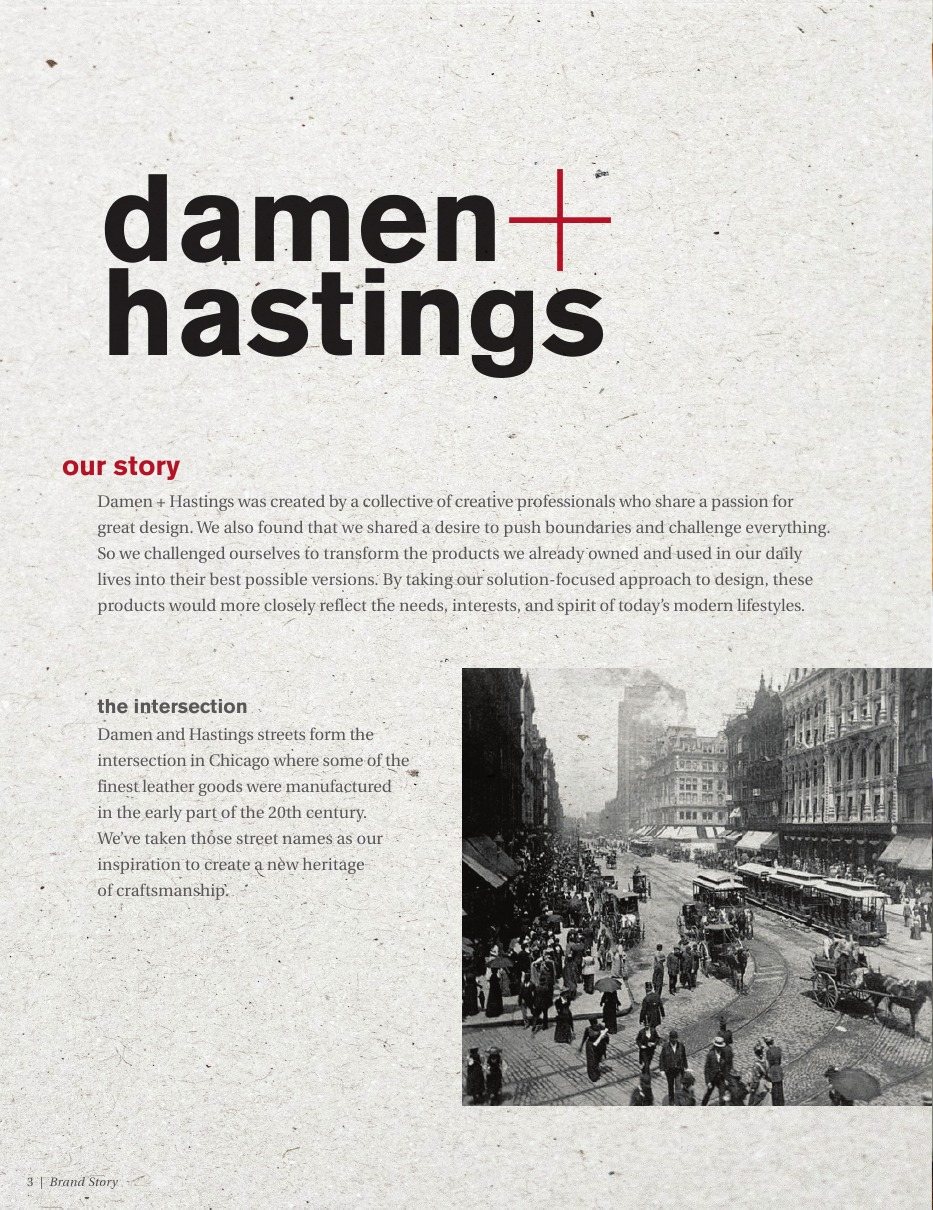
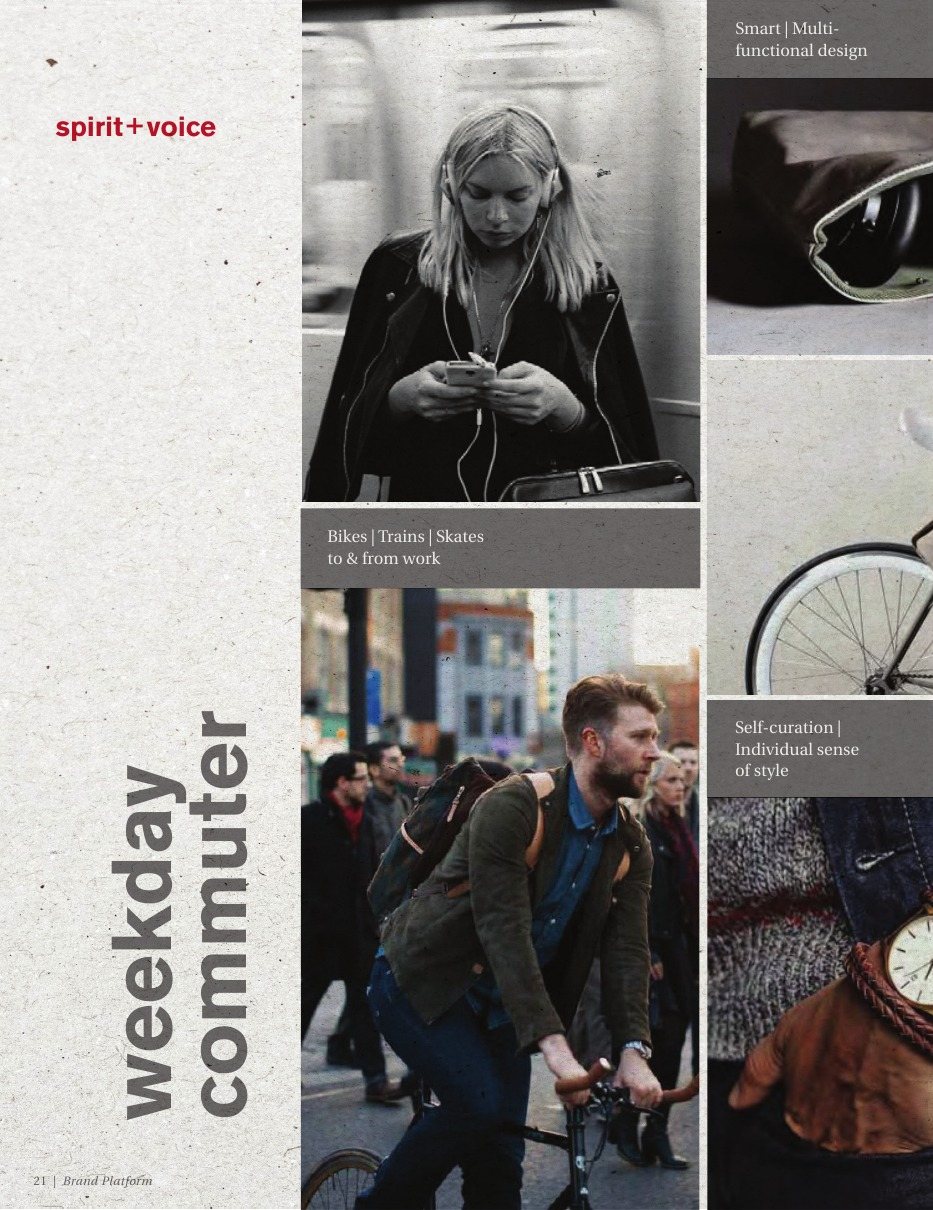
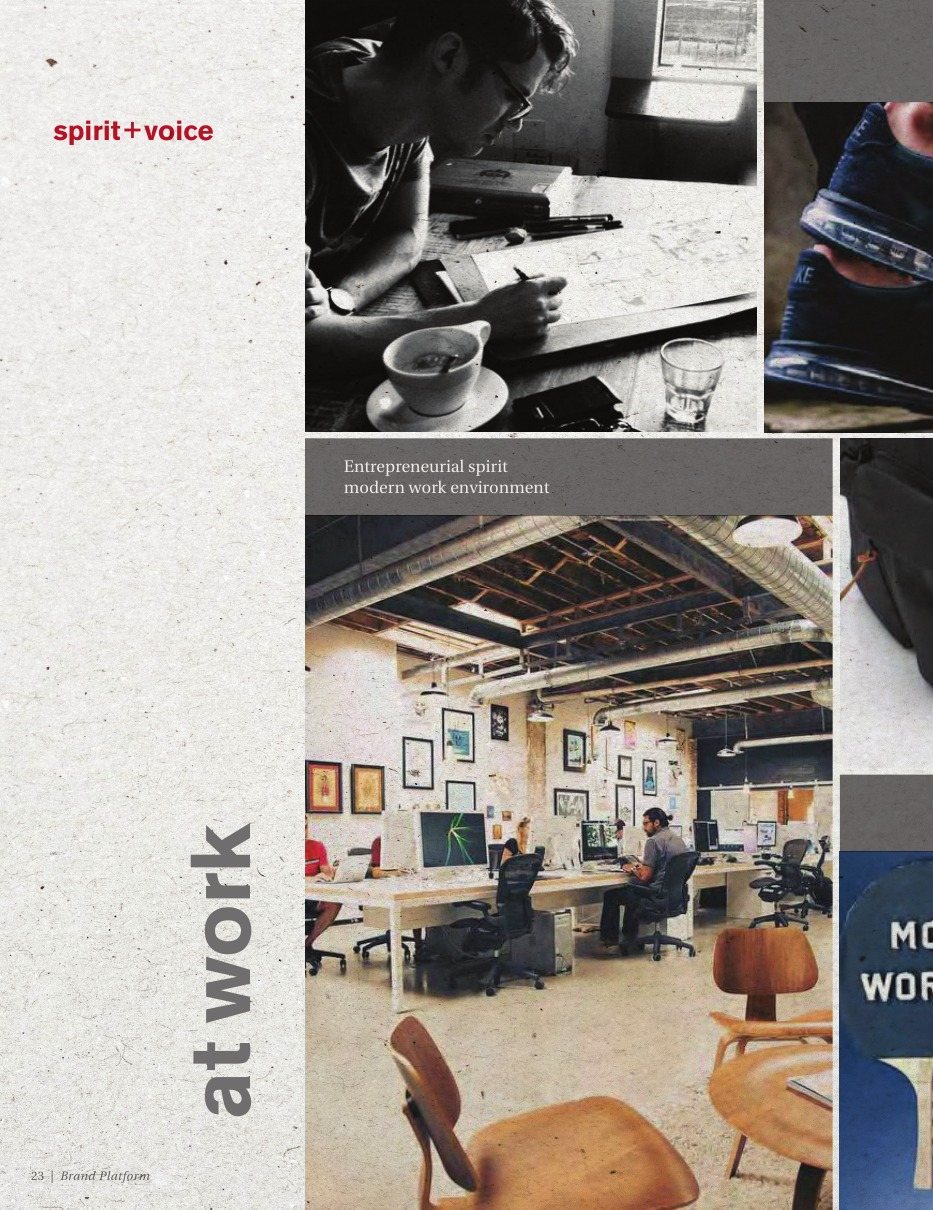
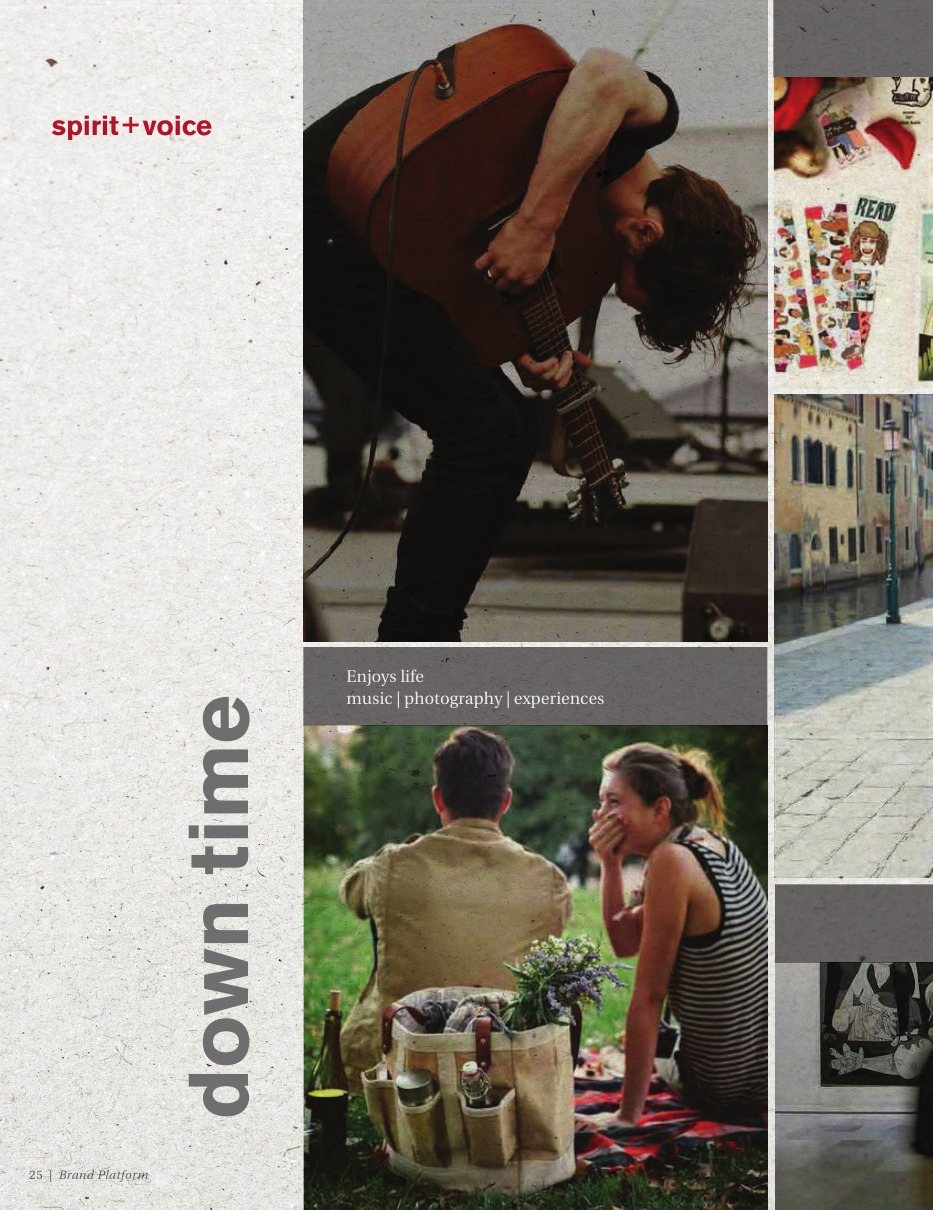
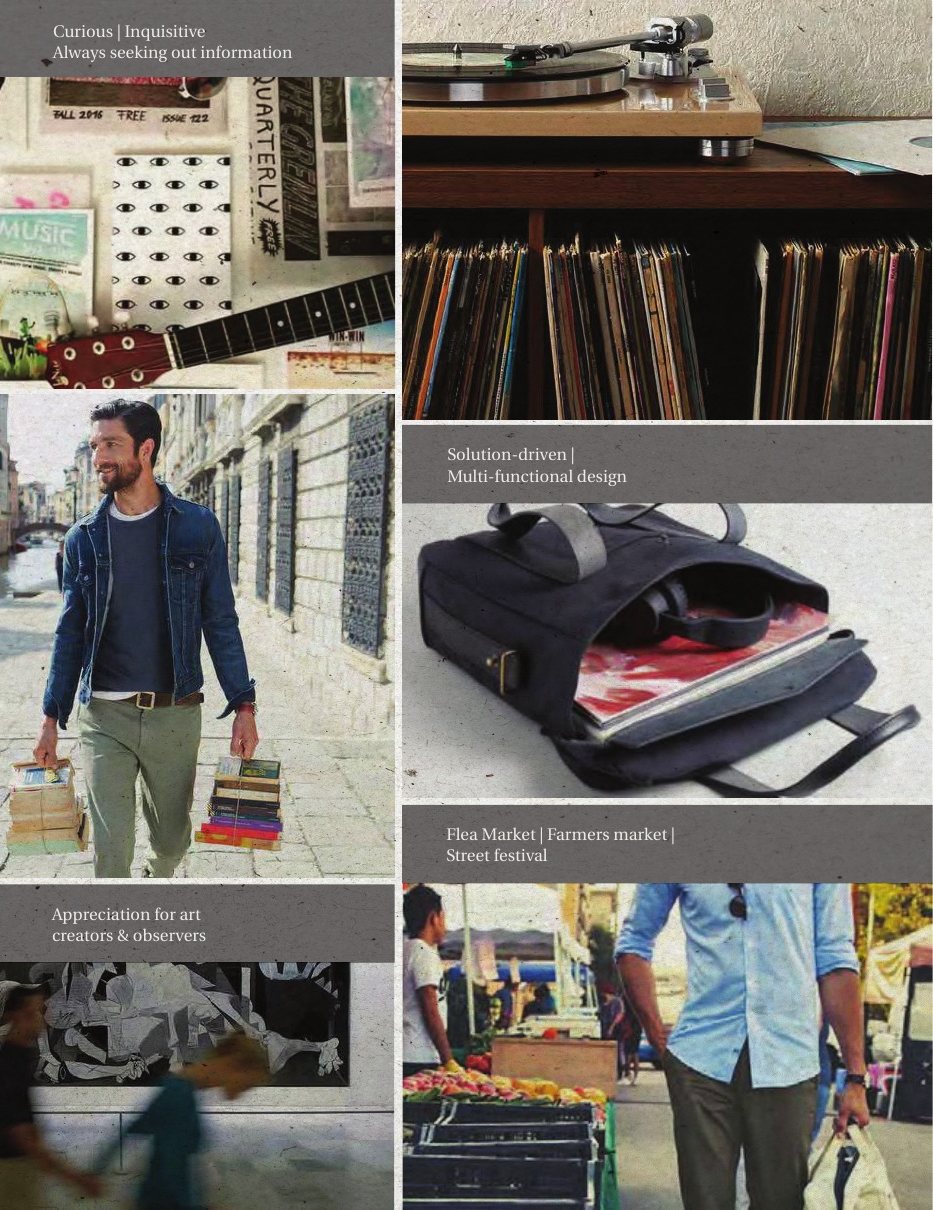
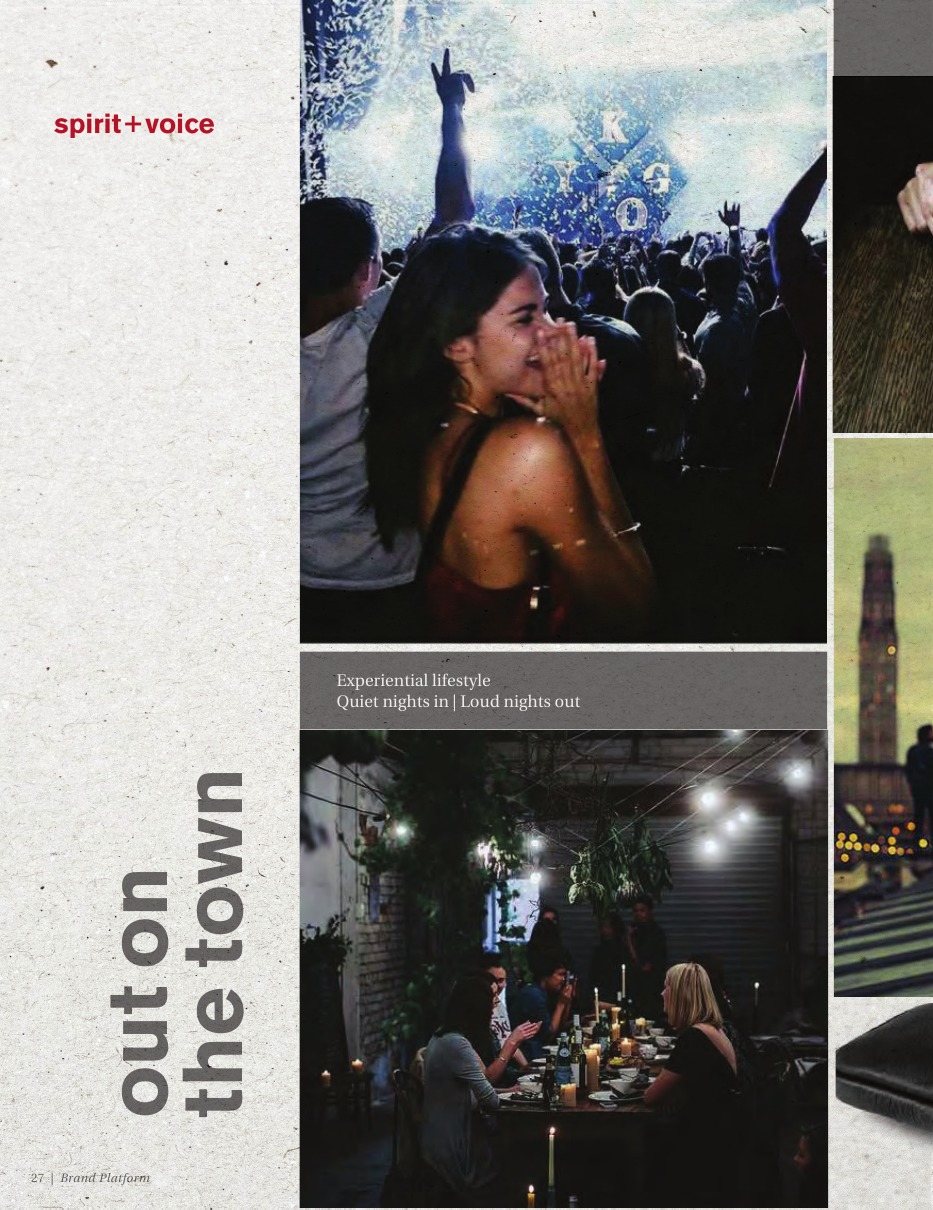
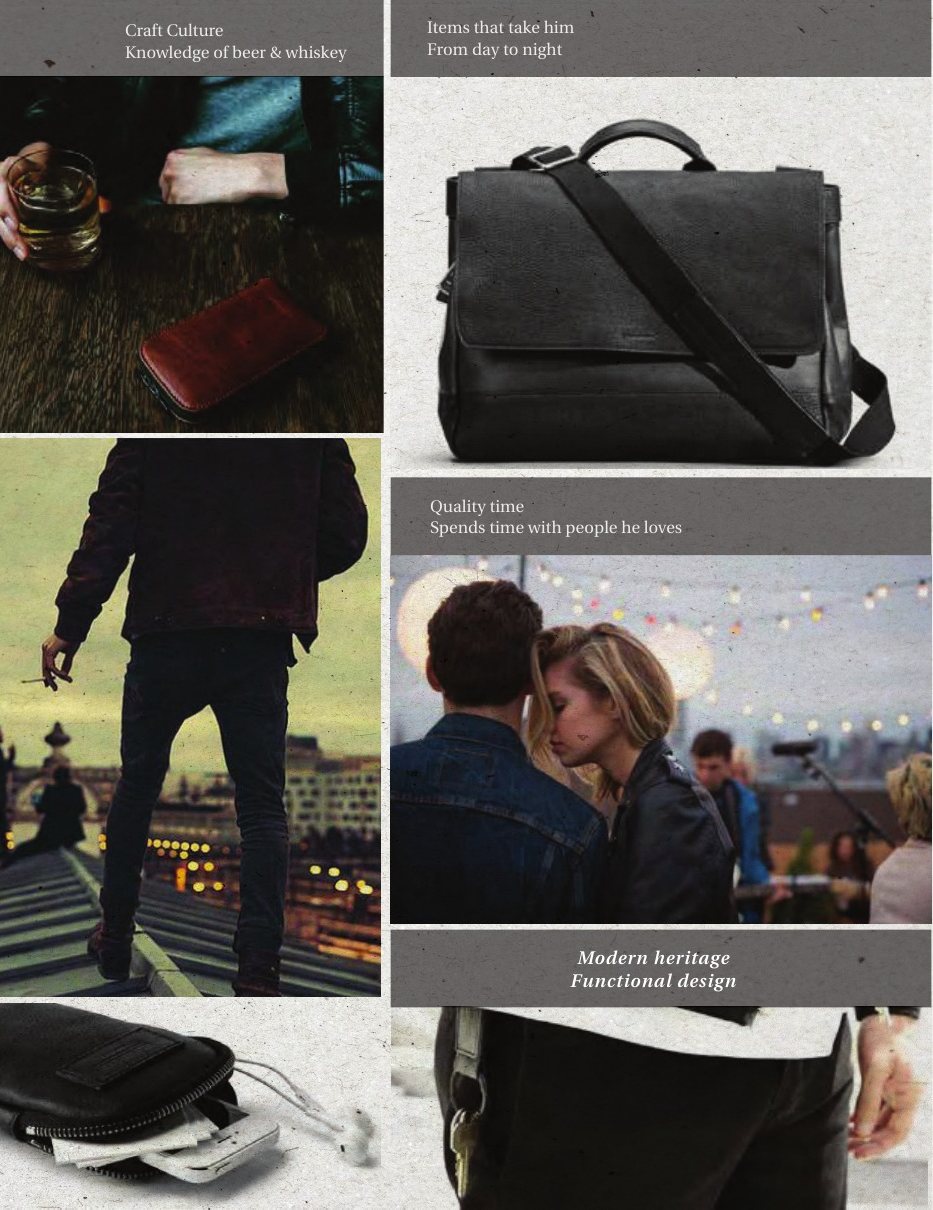
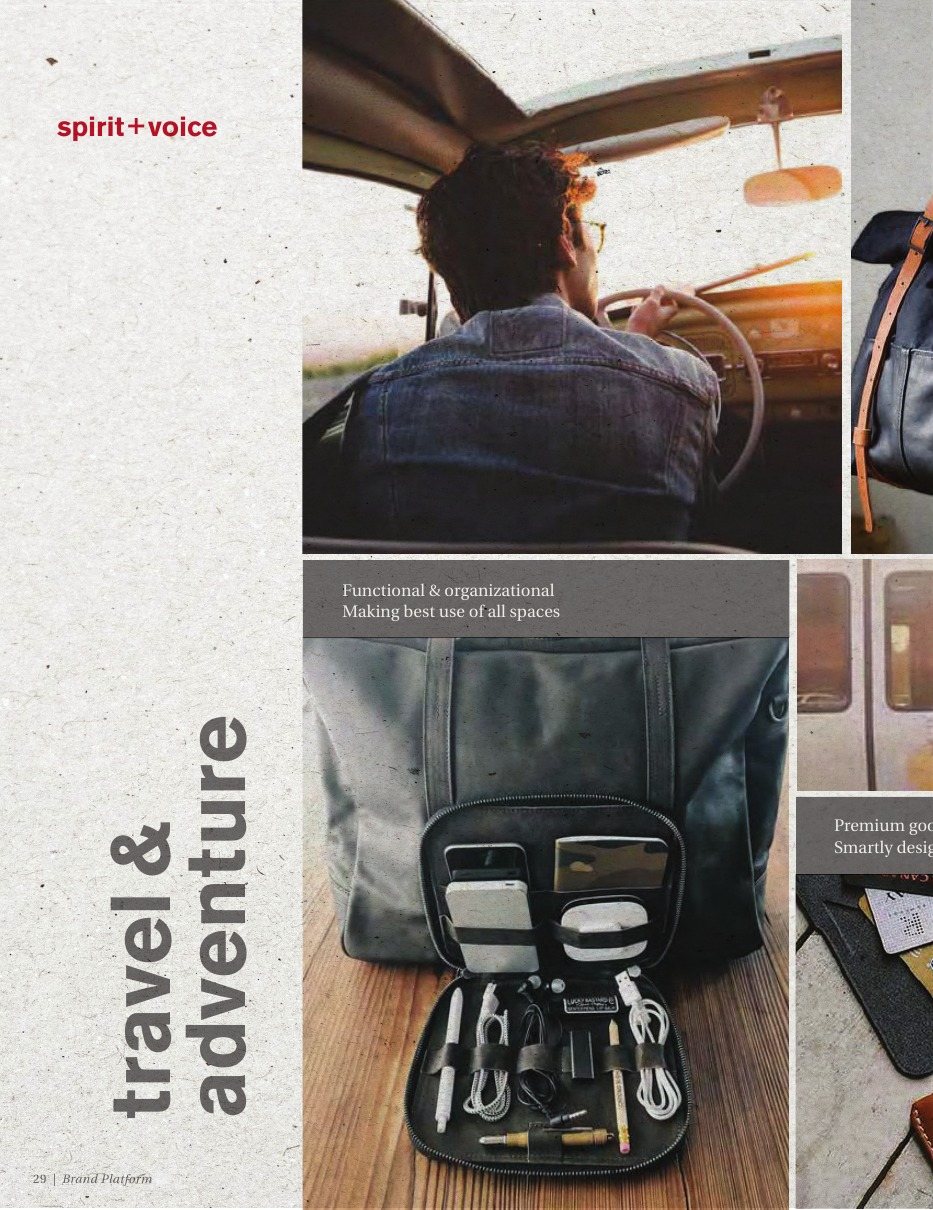
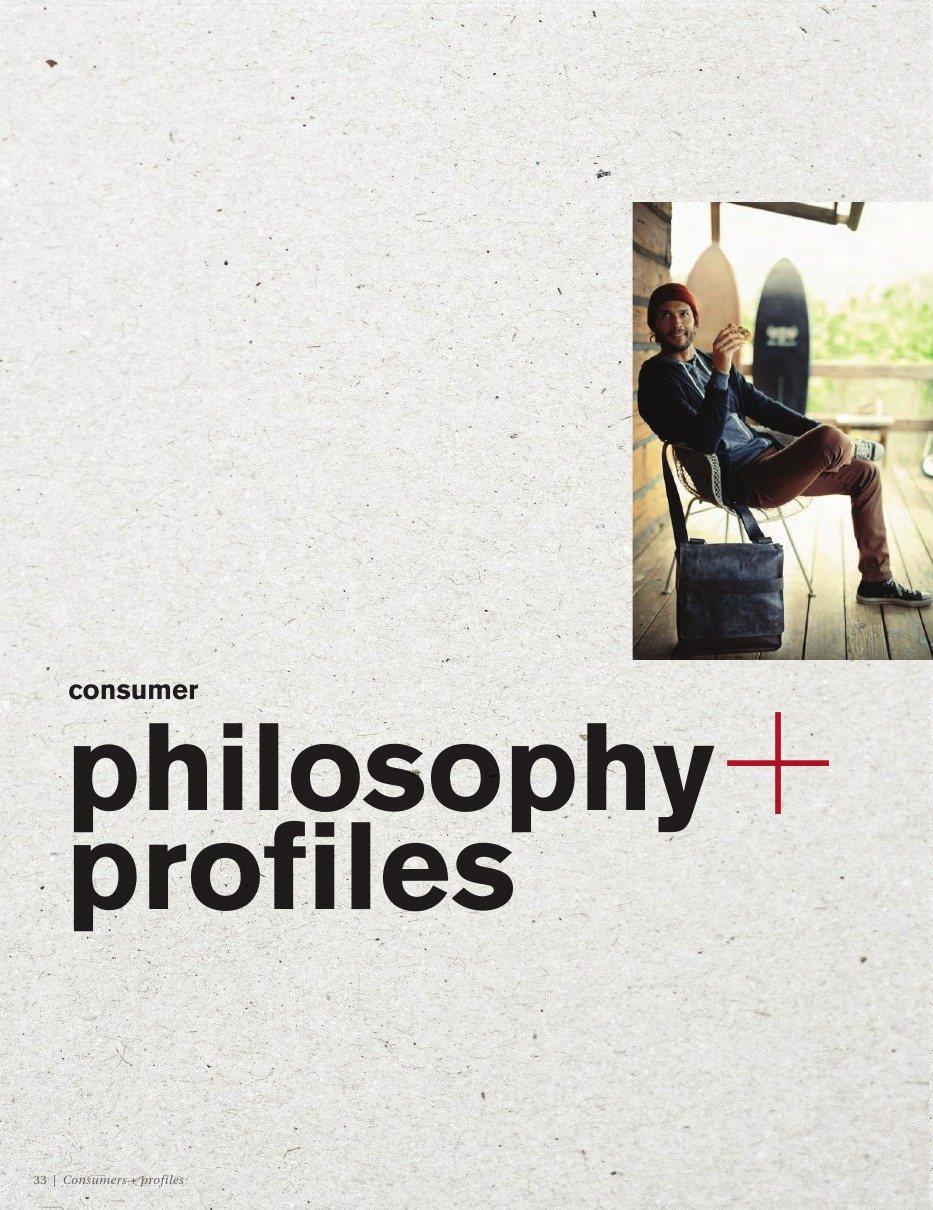
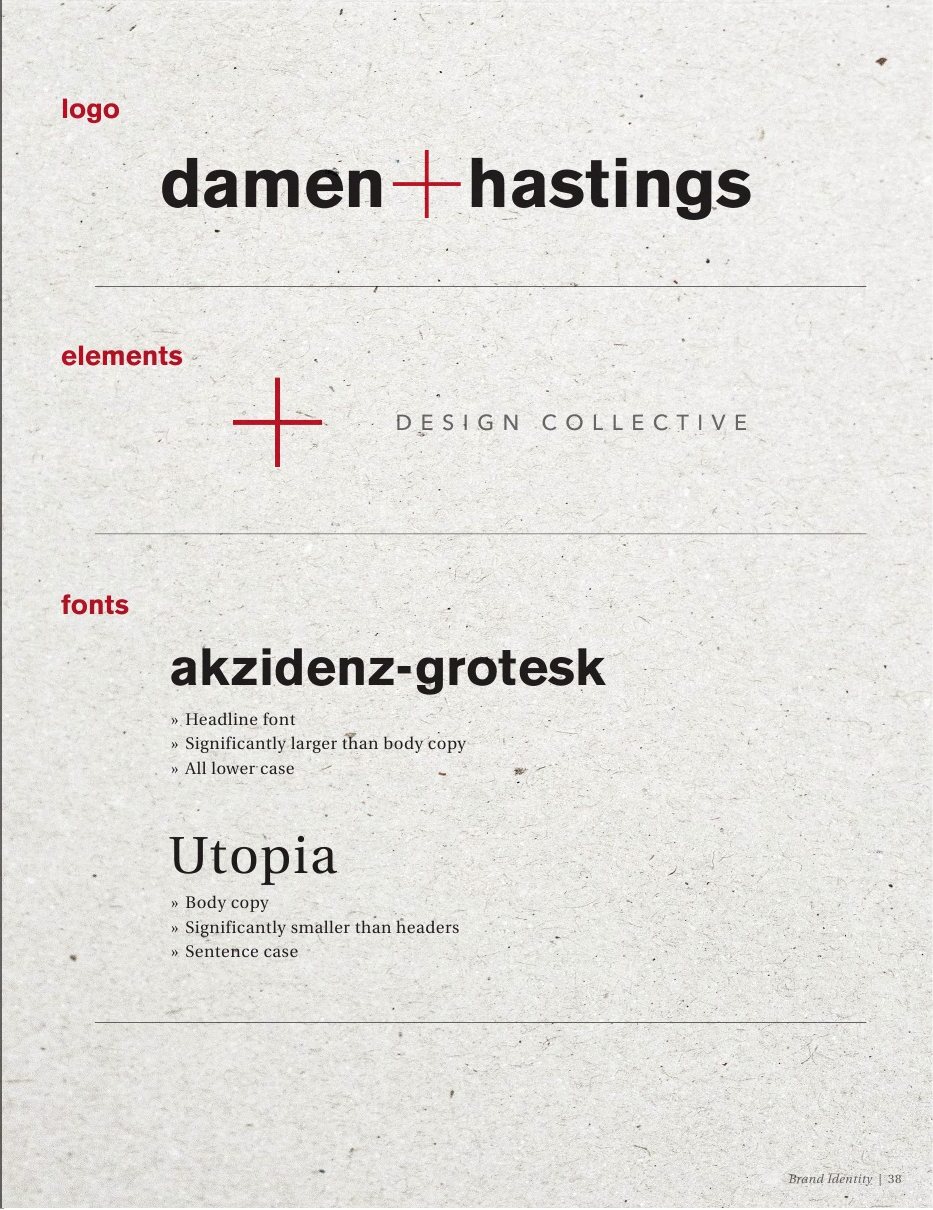
RAA leadership challenged a small founding team to build a company-owned brand from the ground up. As Creative Director on that team, I led brand development for Damen + Hastings — named after the Chicago street corner where our century-old building stands — partnering with design, product, merchandising, and leadership on the visual identity, brand guidelines, and creative strategy that would define how the brand showed up across every touchpoint.
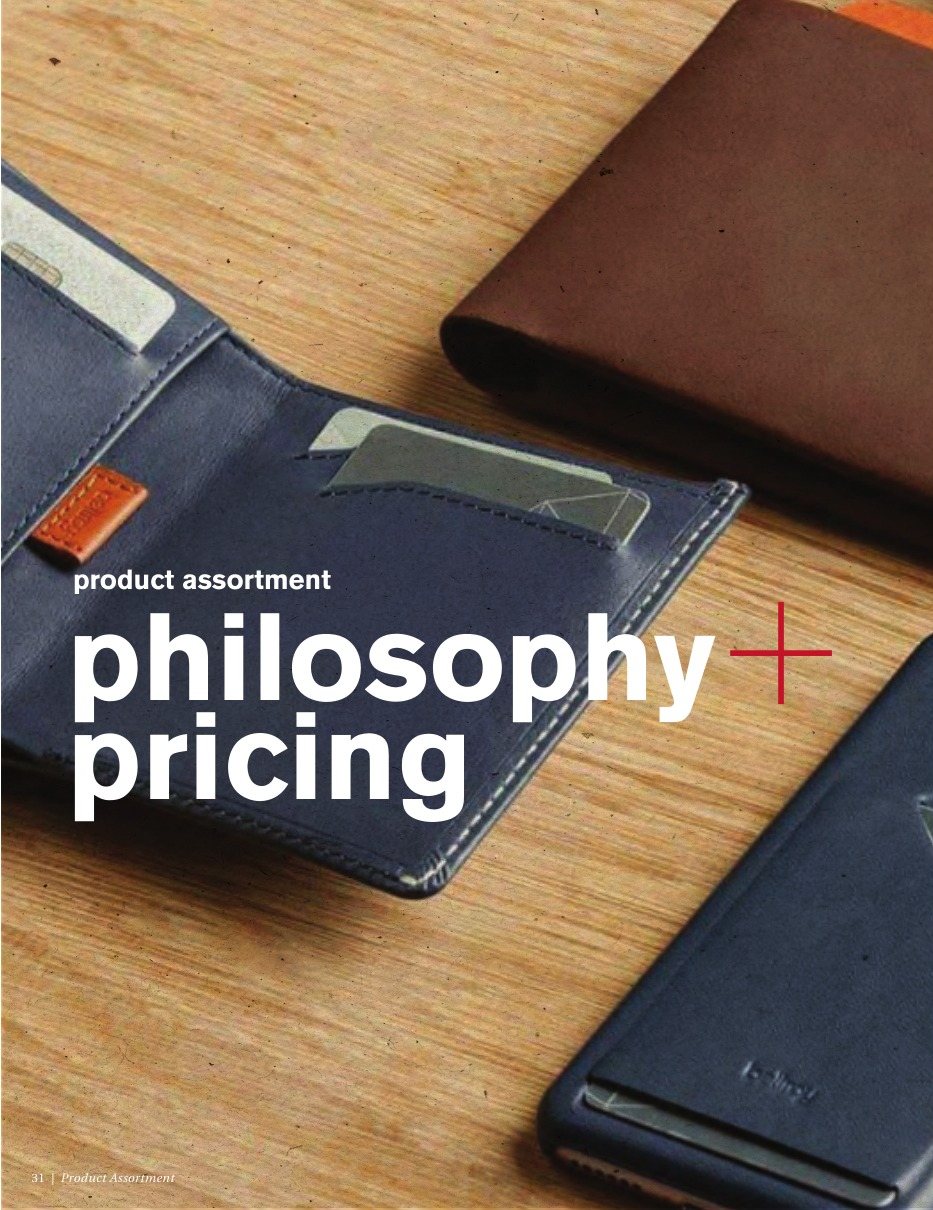
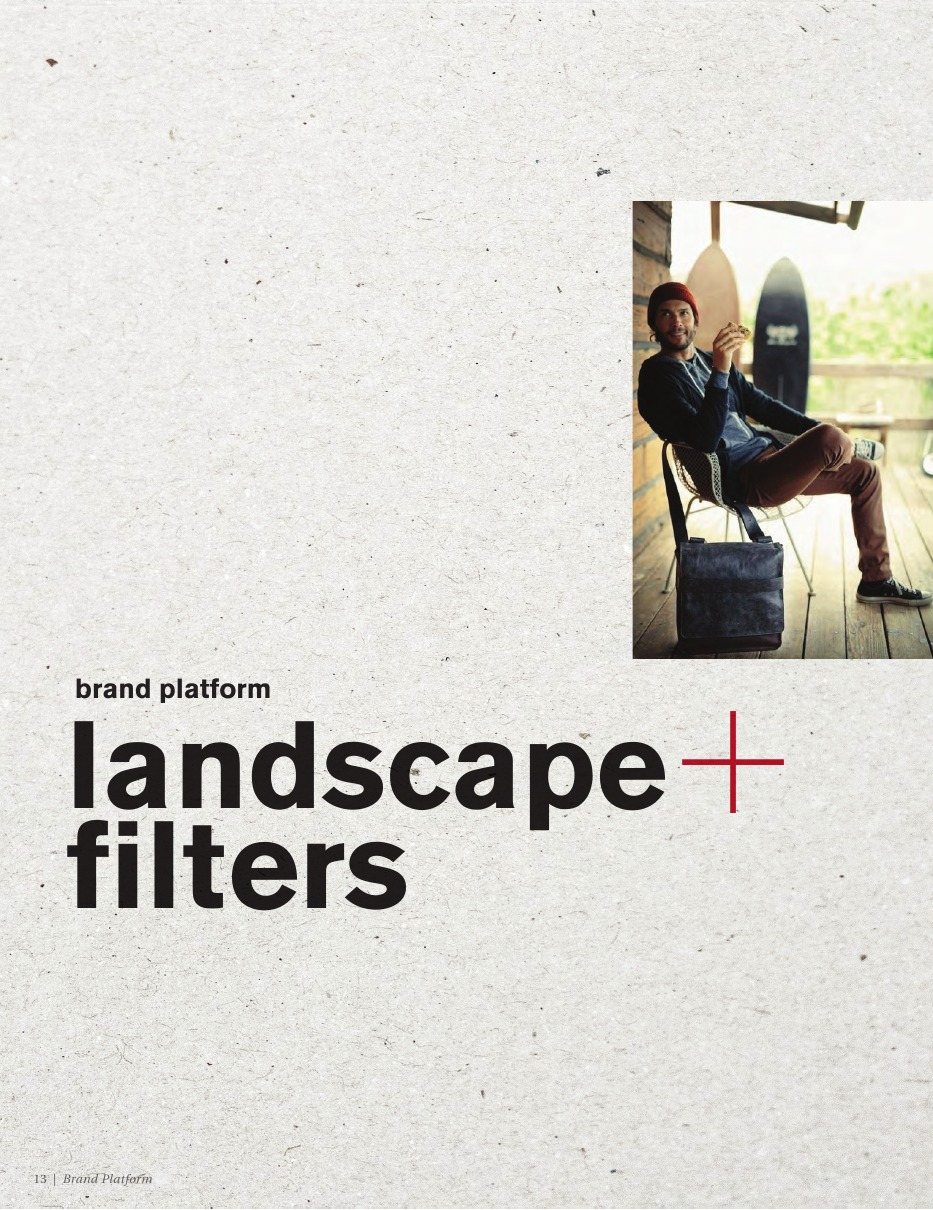
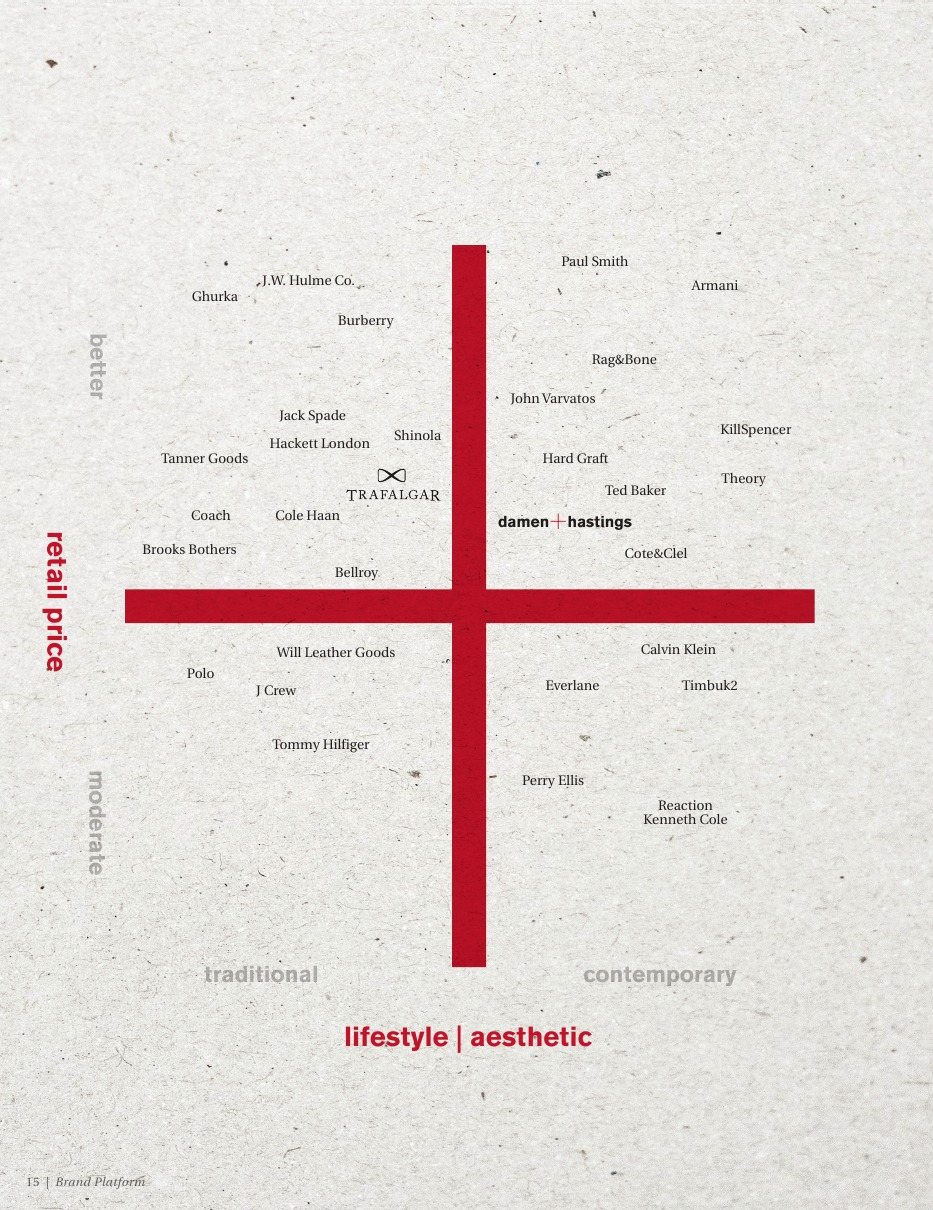
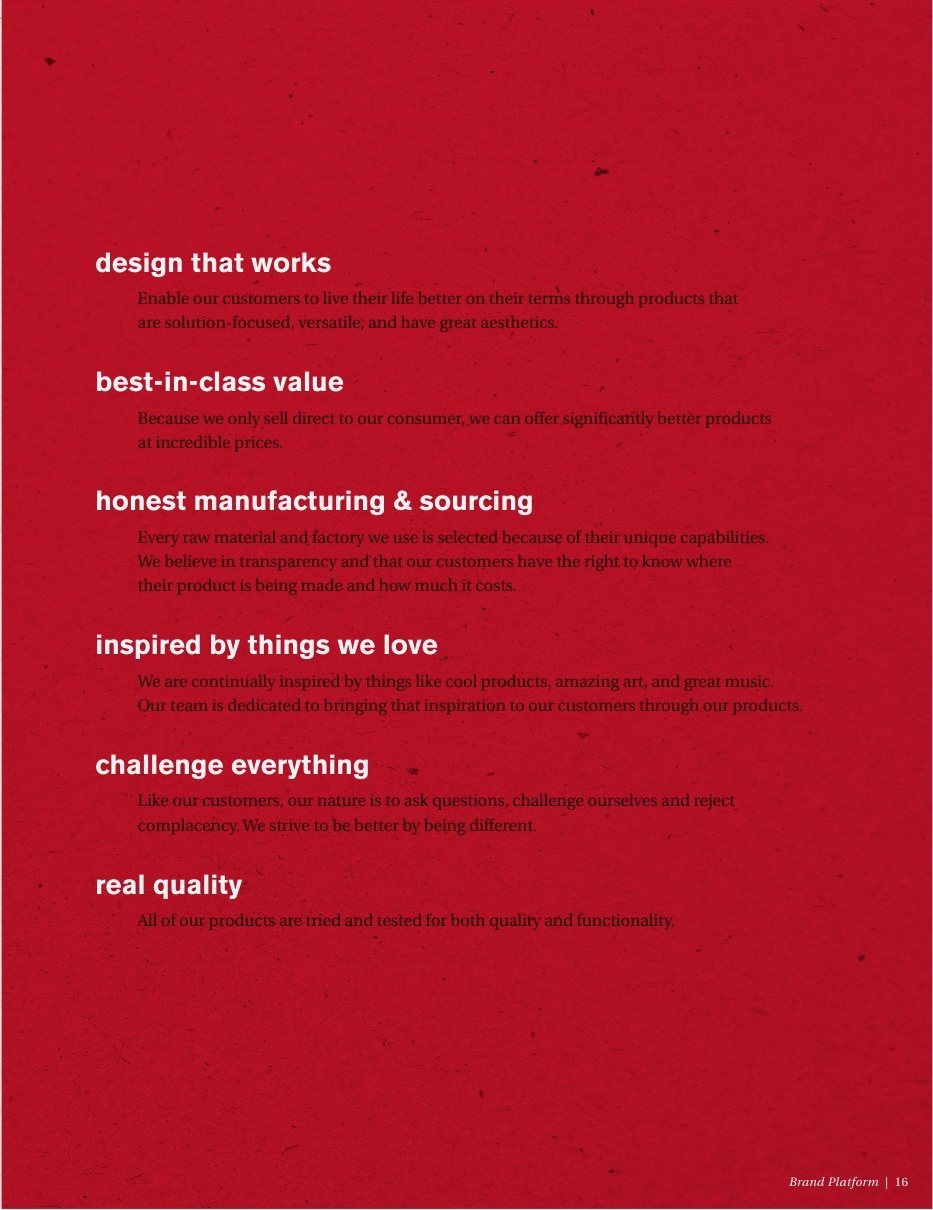
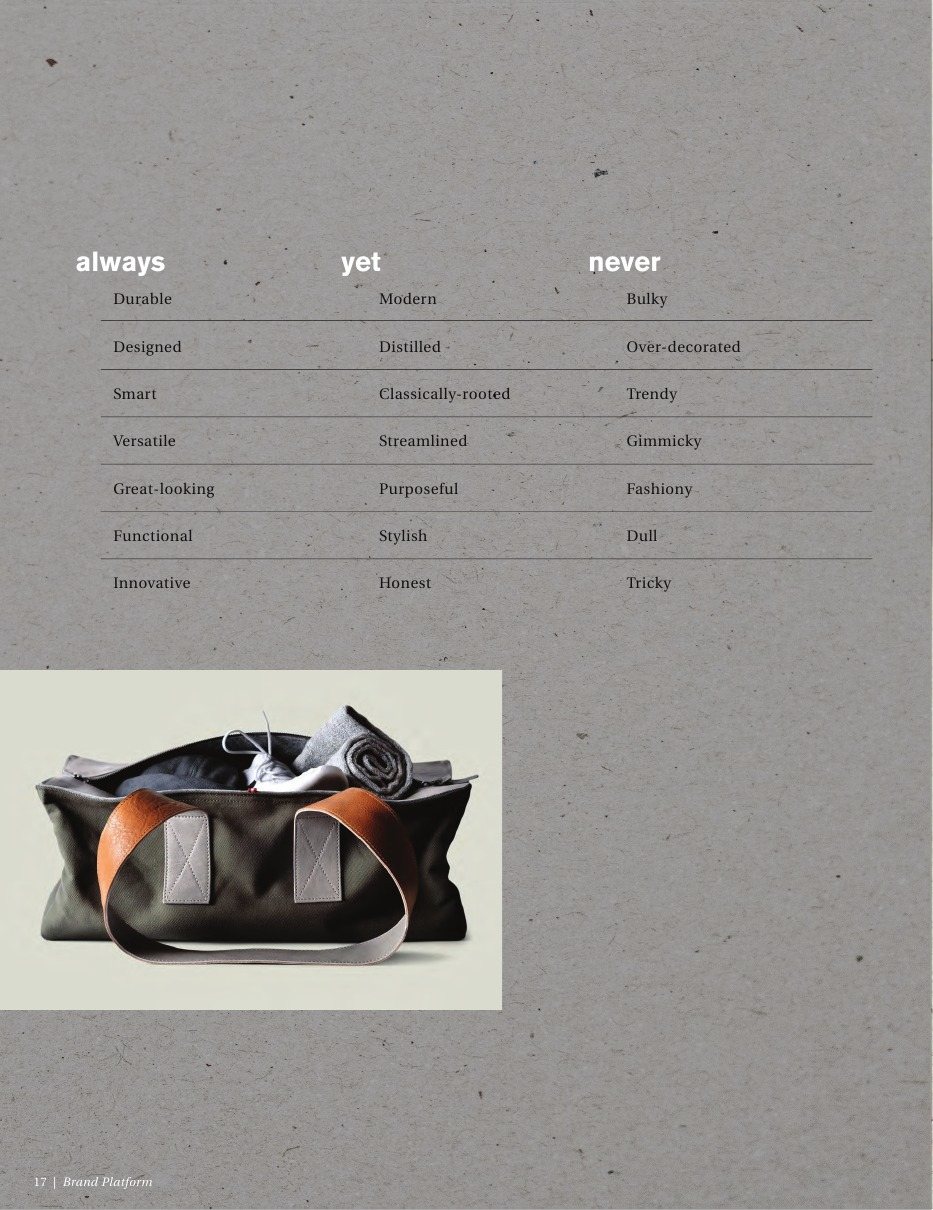
The brand needed to do something uncommon for a company-owned label: feel independent, credible, and community-rooted rather than corporate-adjacent. That meant the team establishing a clear point of view on craft, material quality, and customer relationship. Every design decision—from the wordmark's geometric precision to the color palette's warmth—served a strategic purpose: signaling that Damen + Hastings was built to last, designed by people who understood the product category, and proud of its Chicago origin.
Act 2: Product Development & Brand Standards

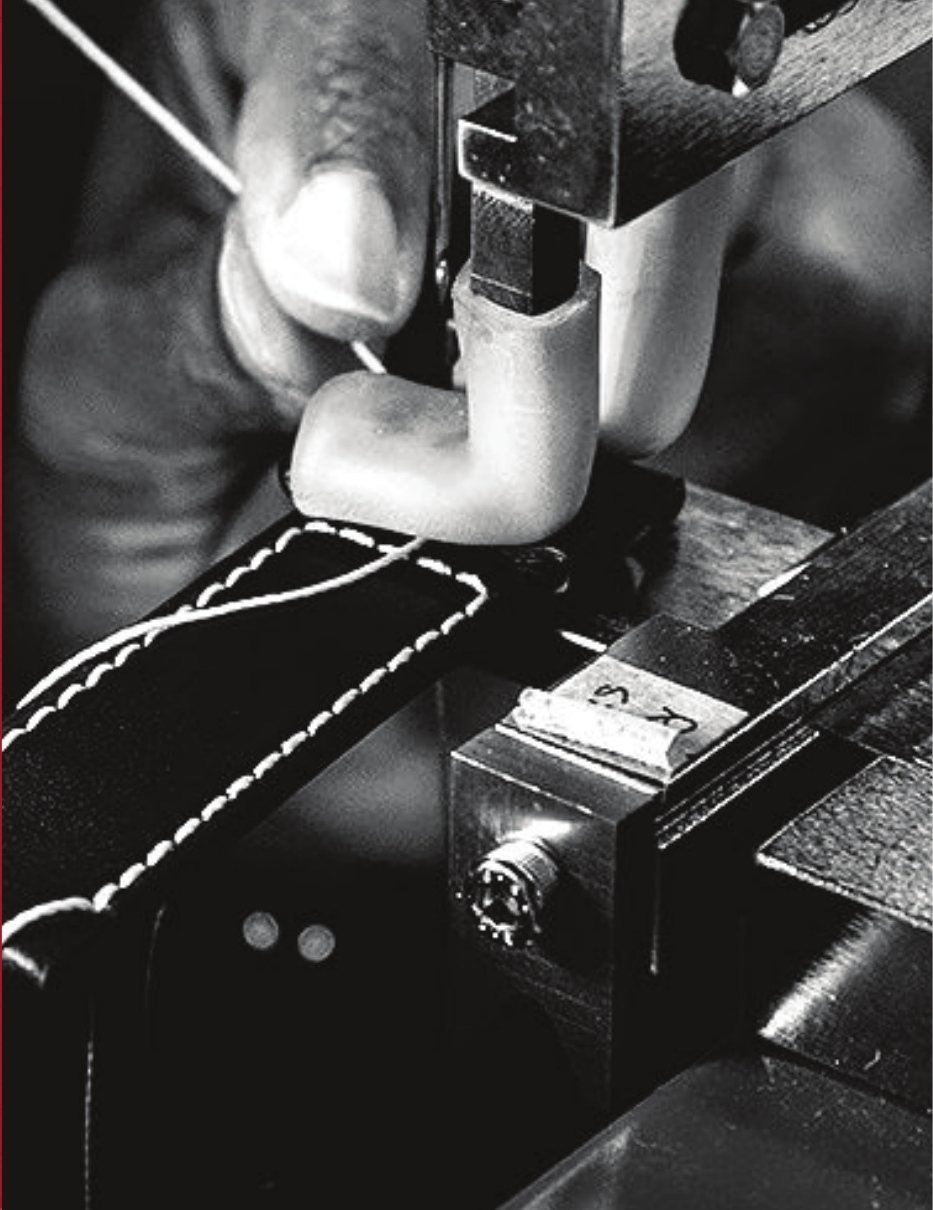
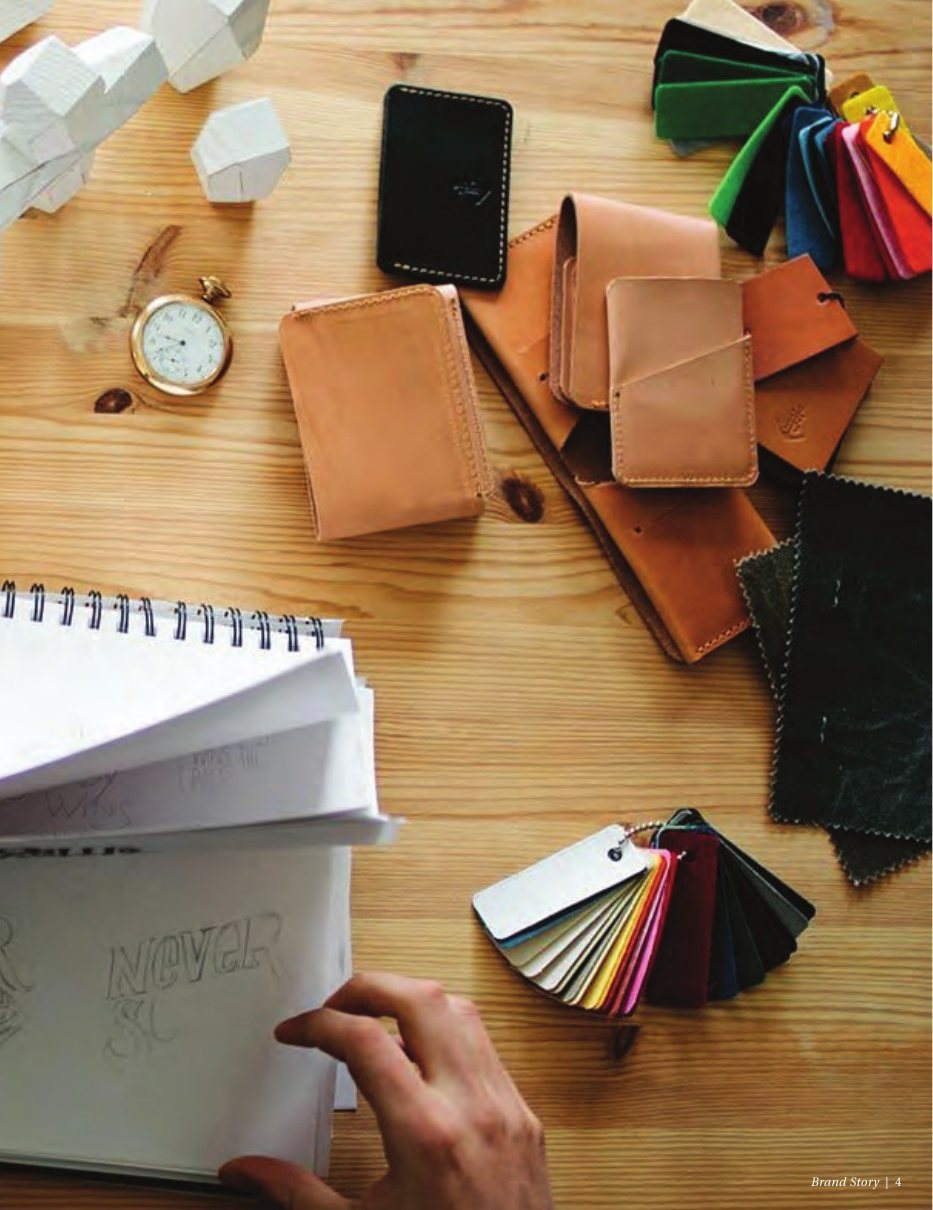
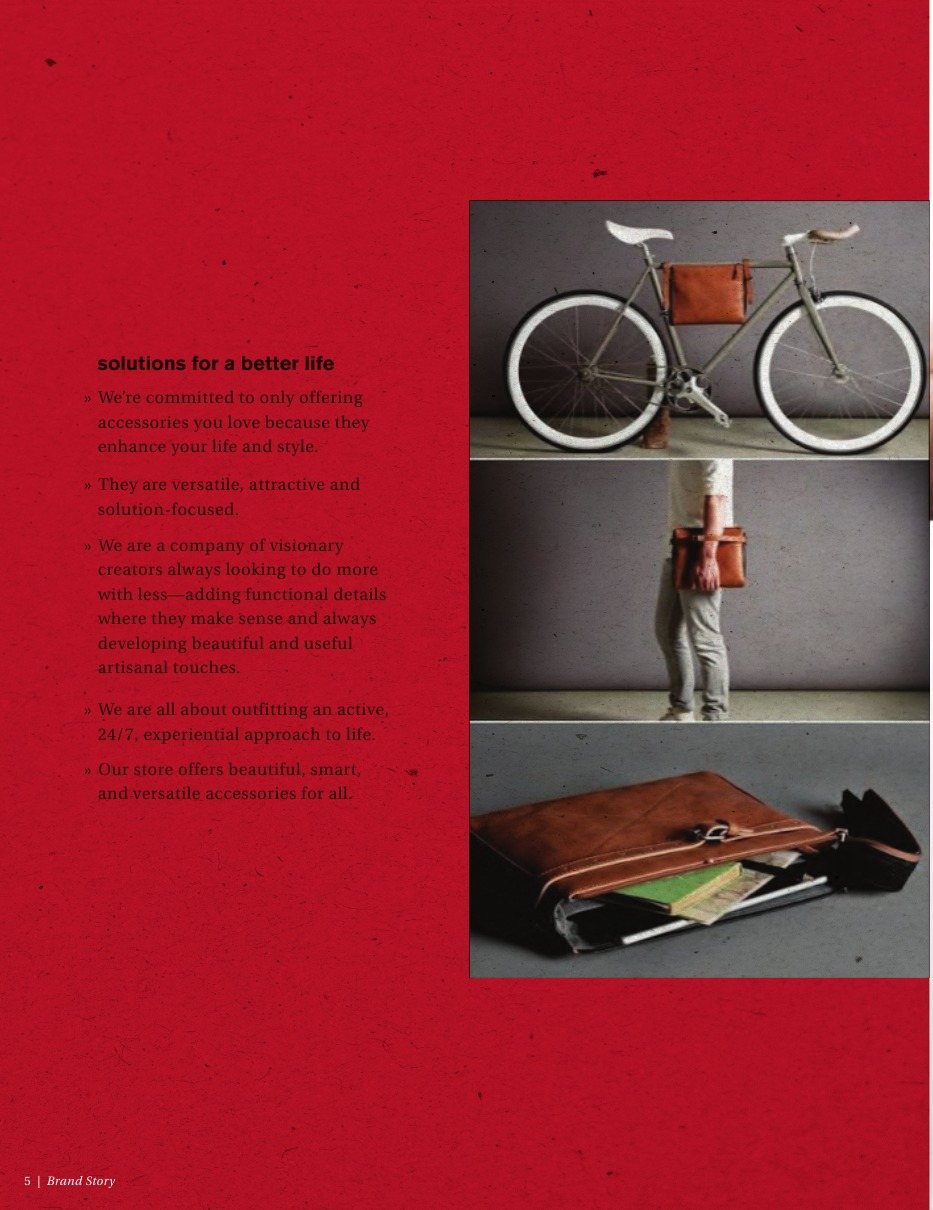
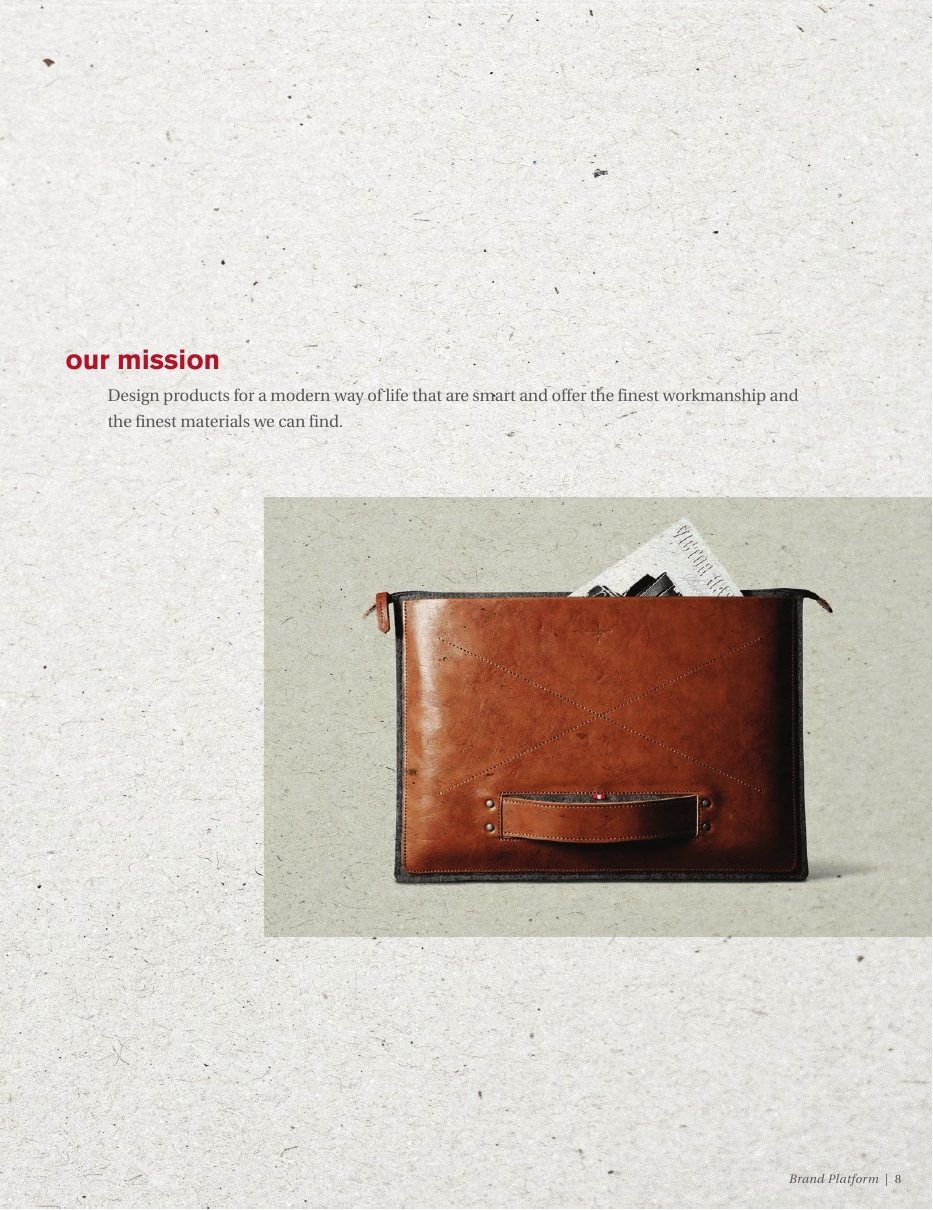
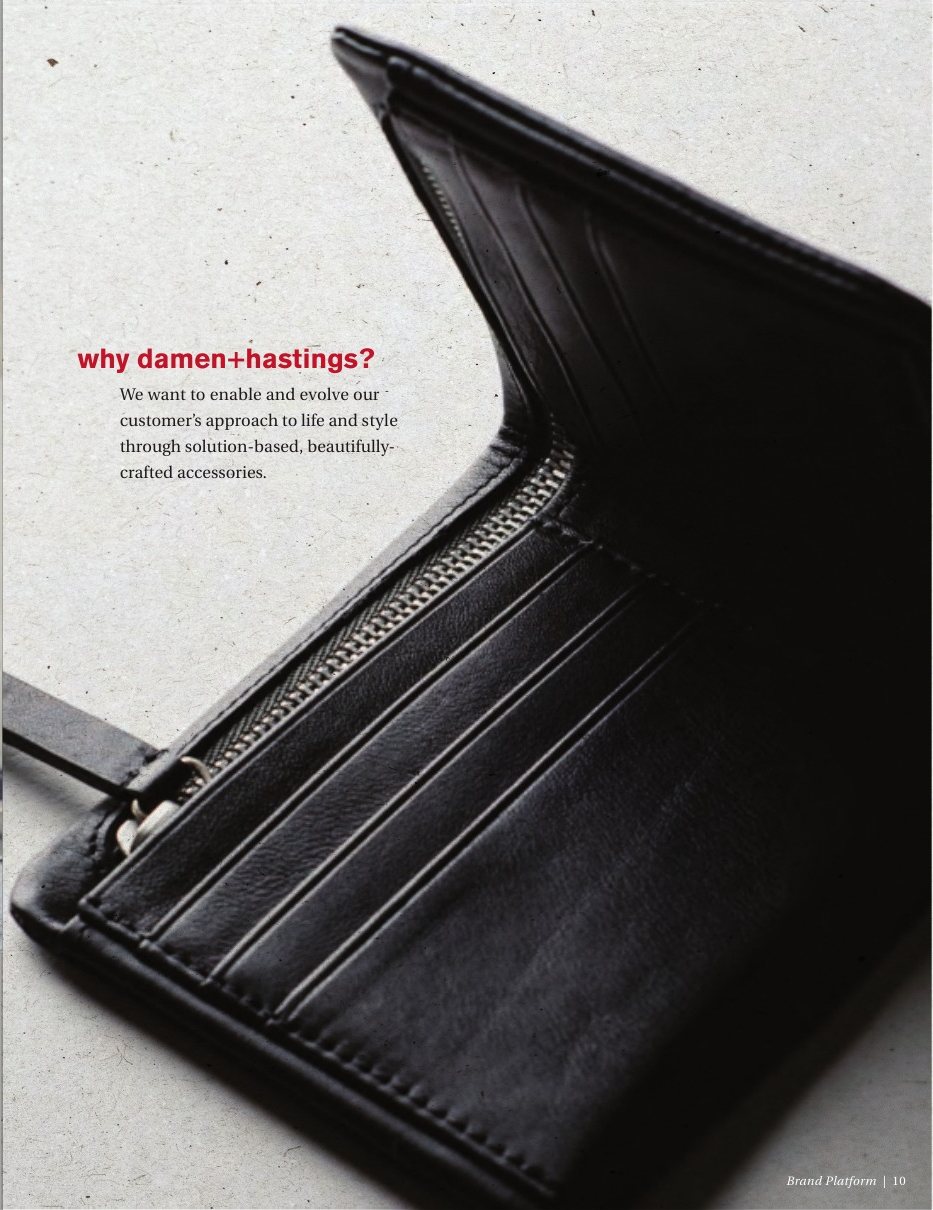
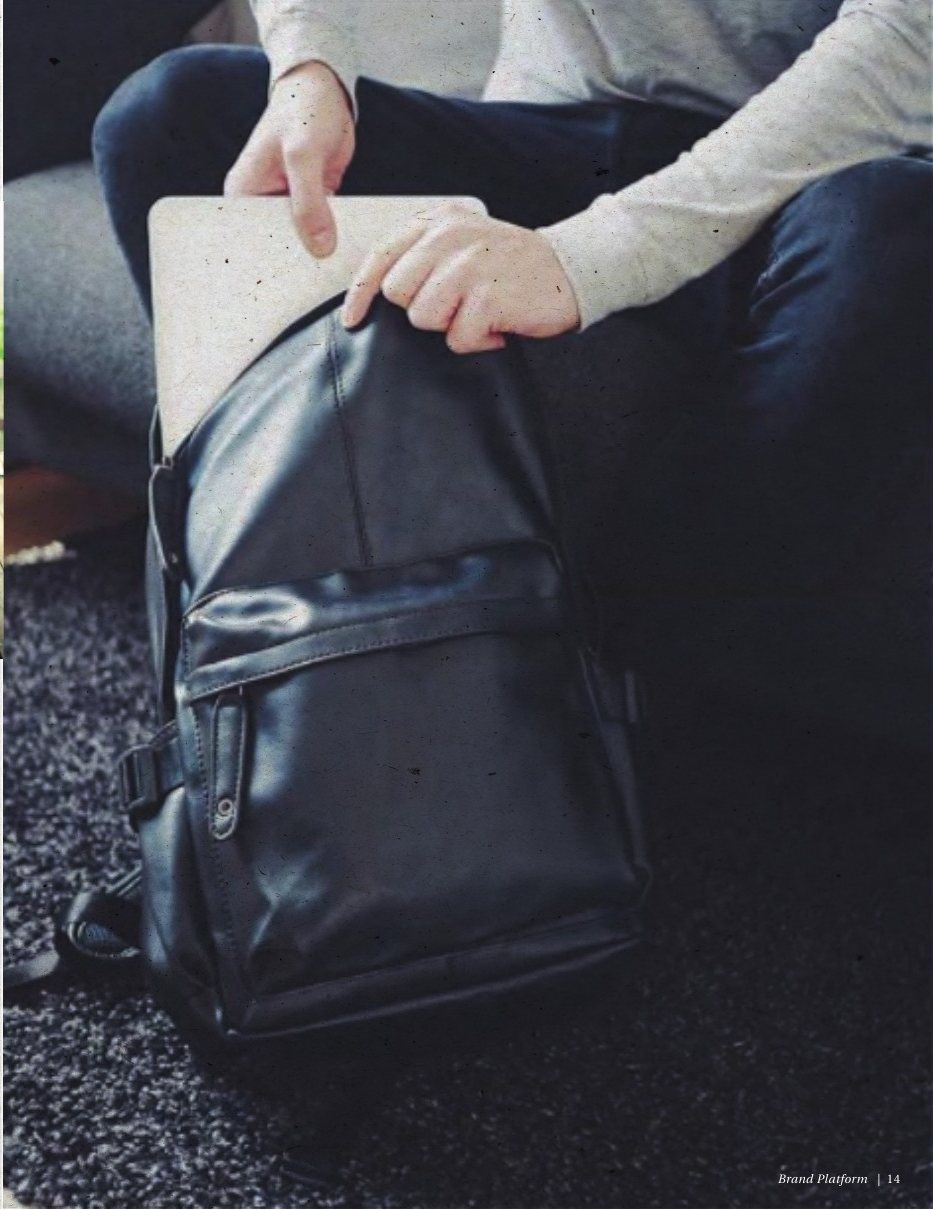
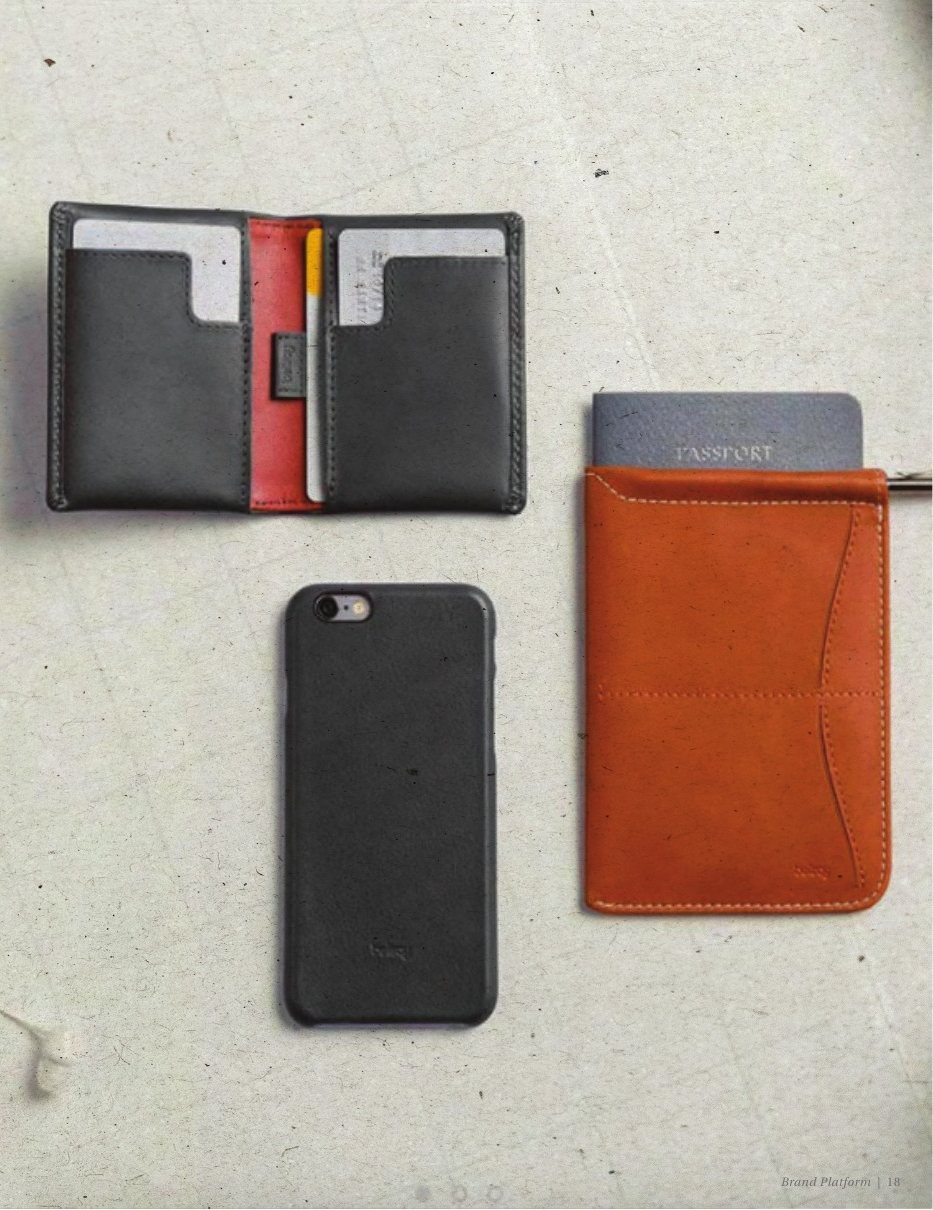
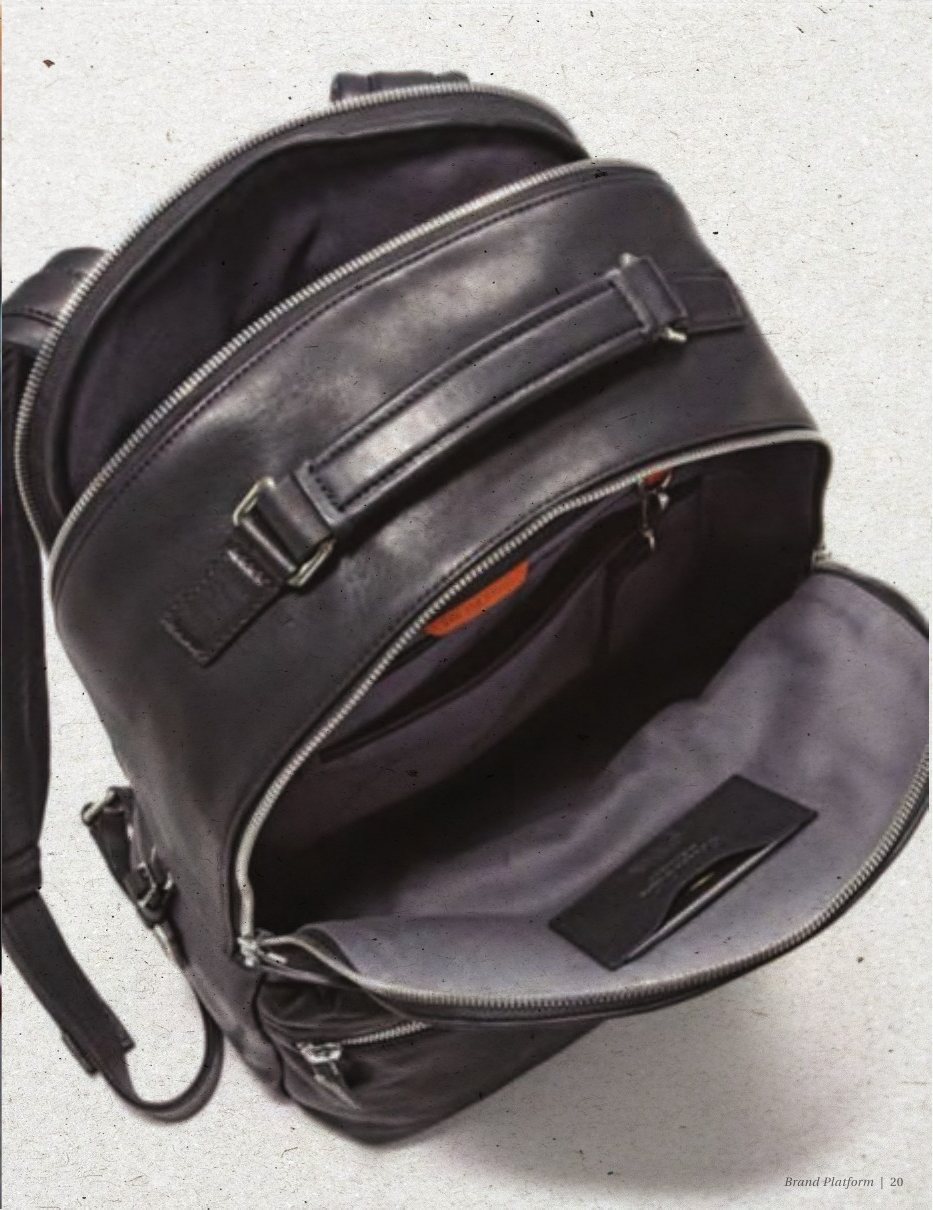
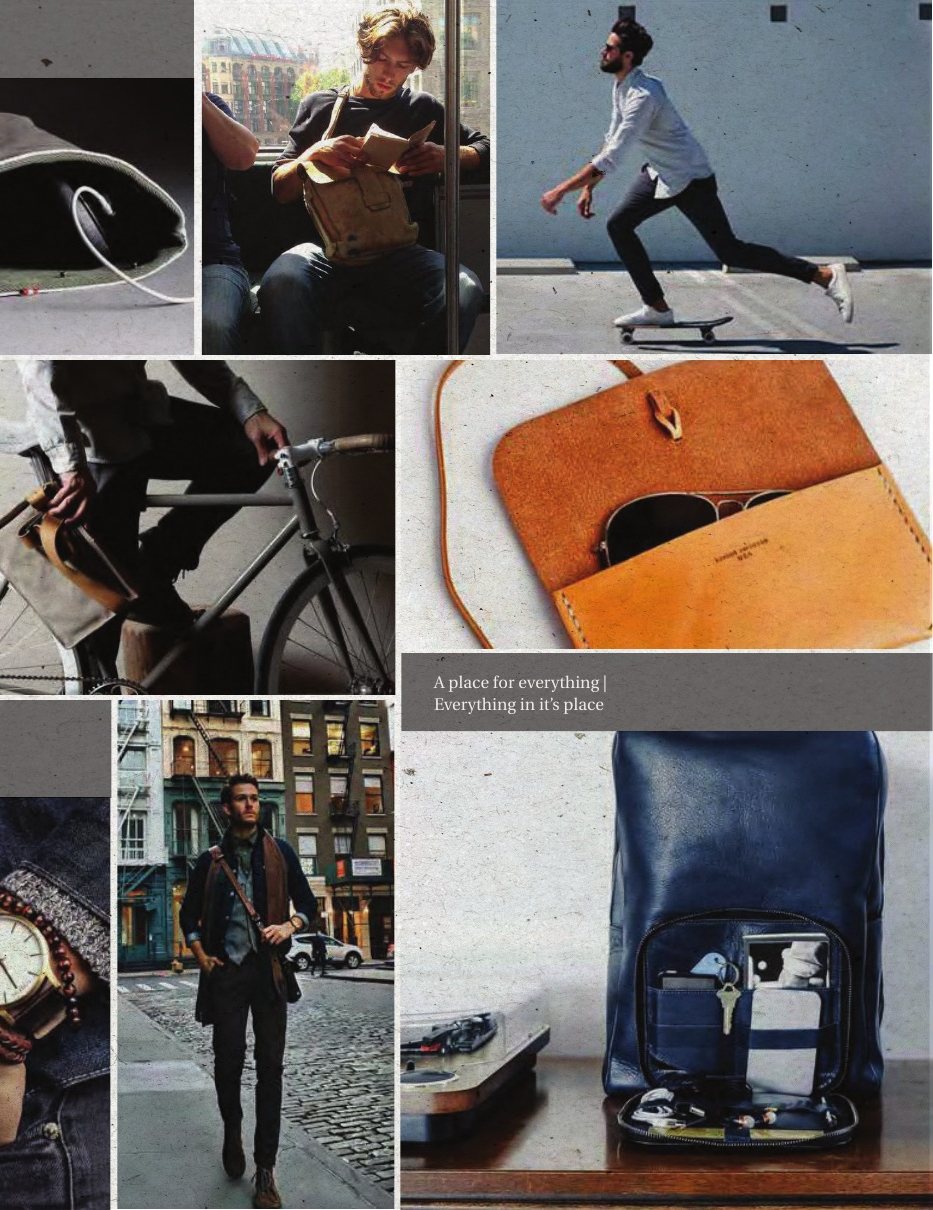
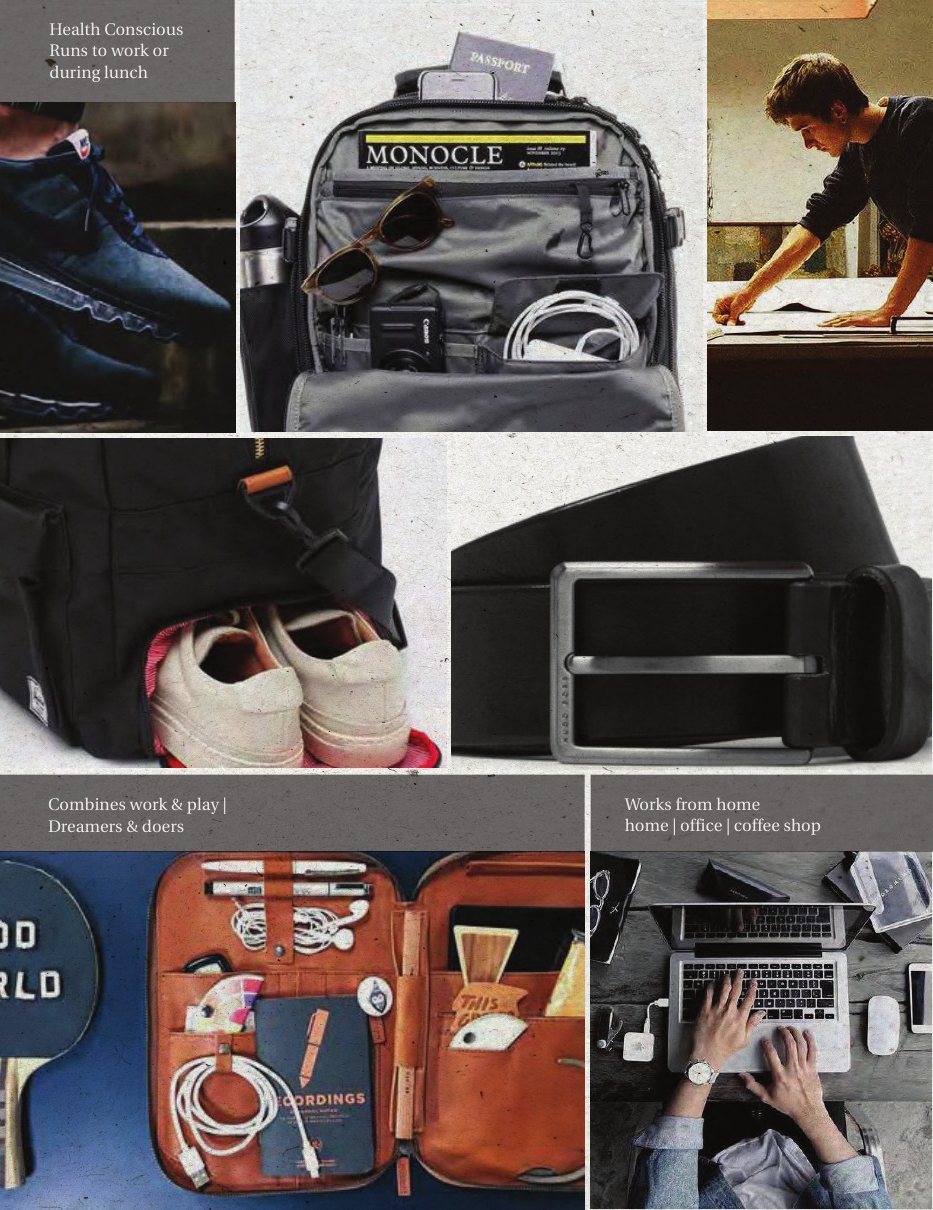
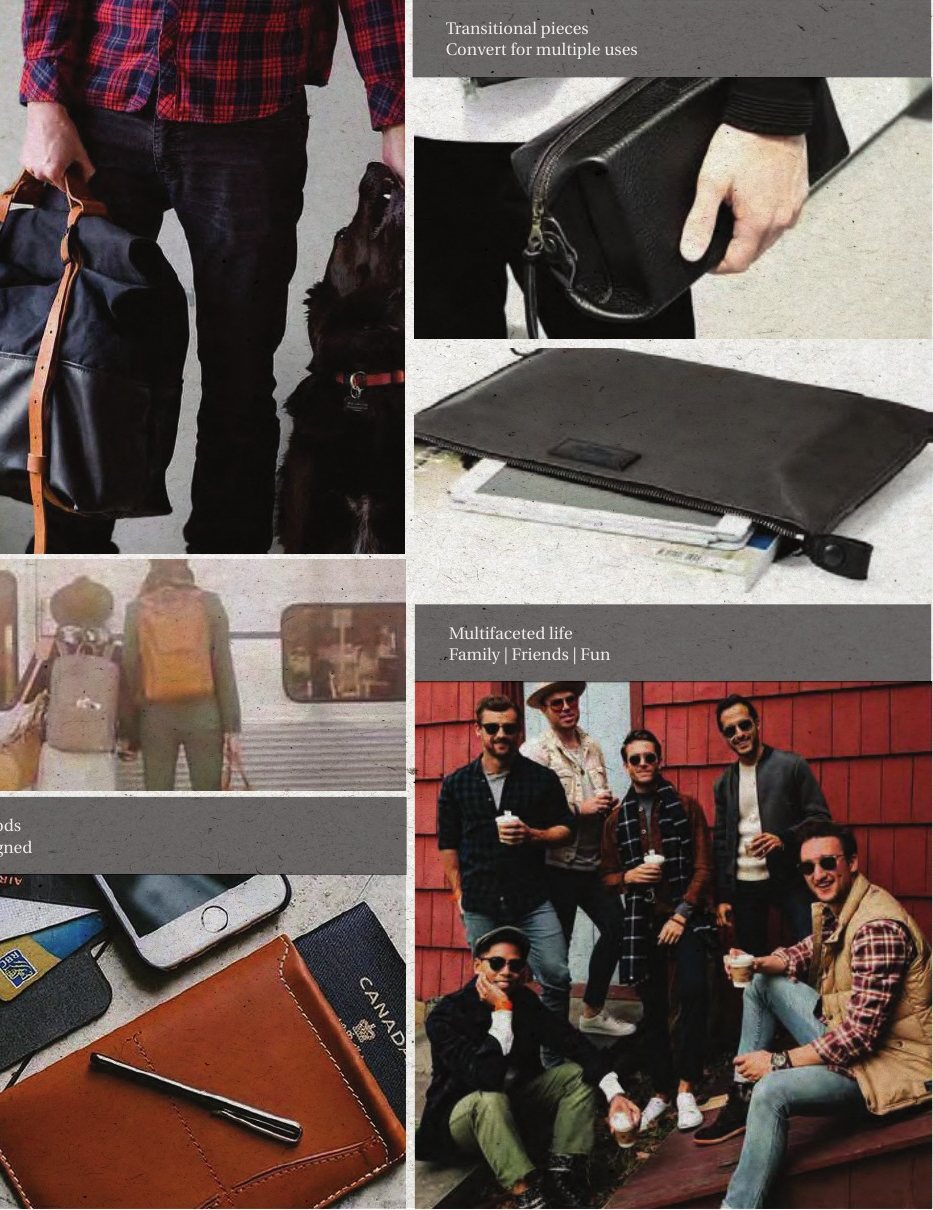
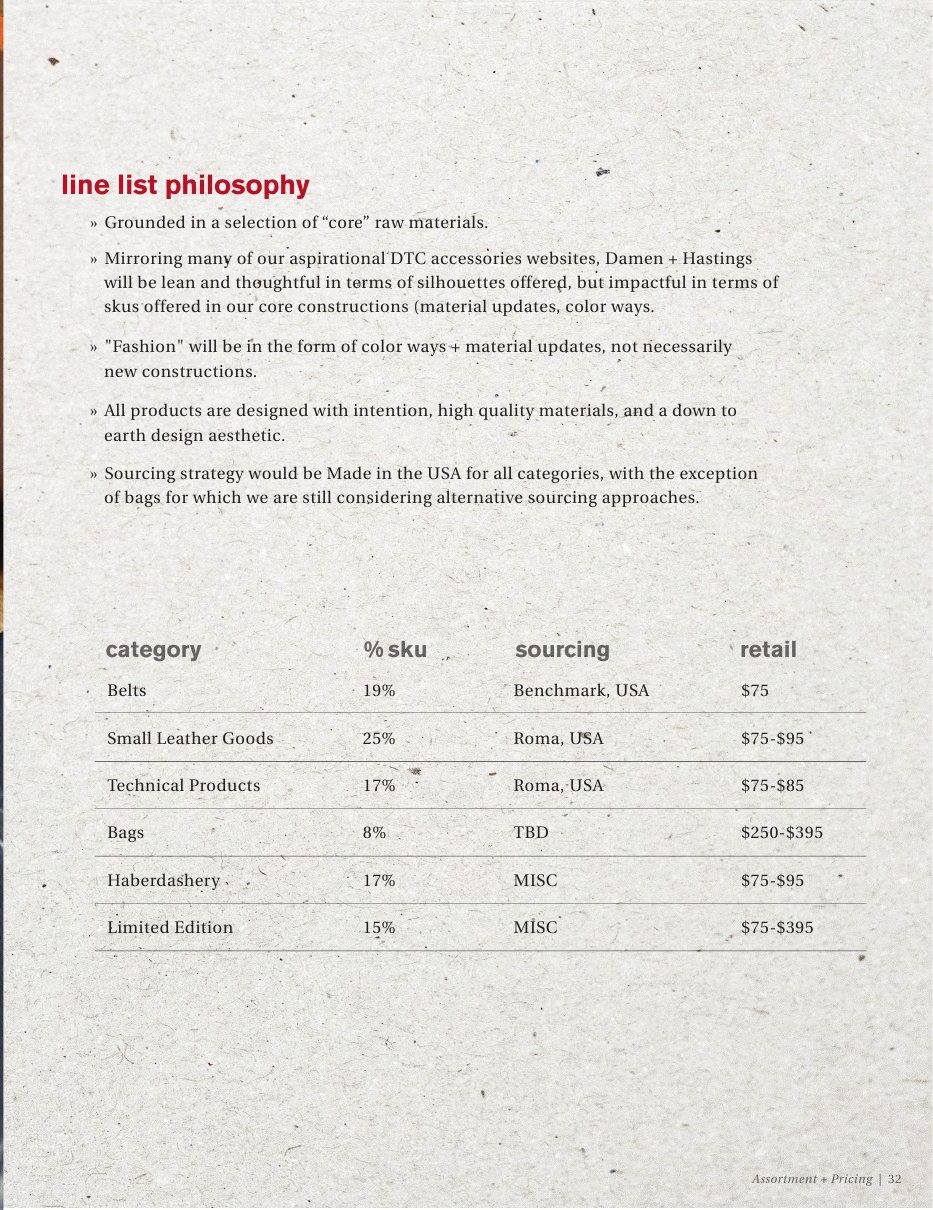
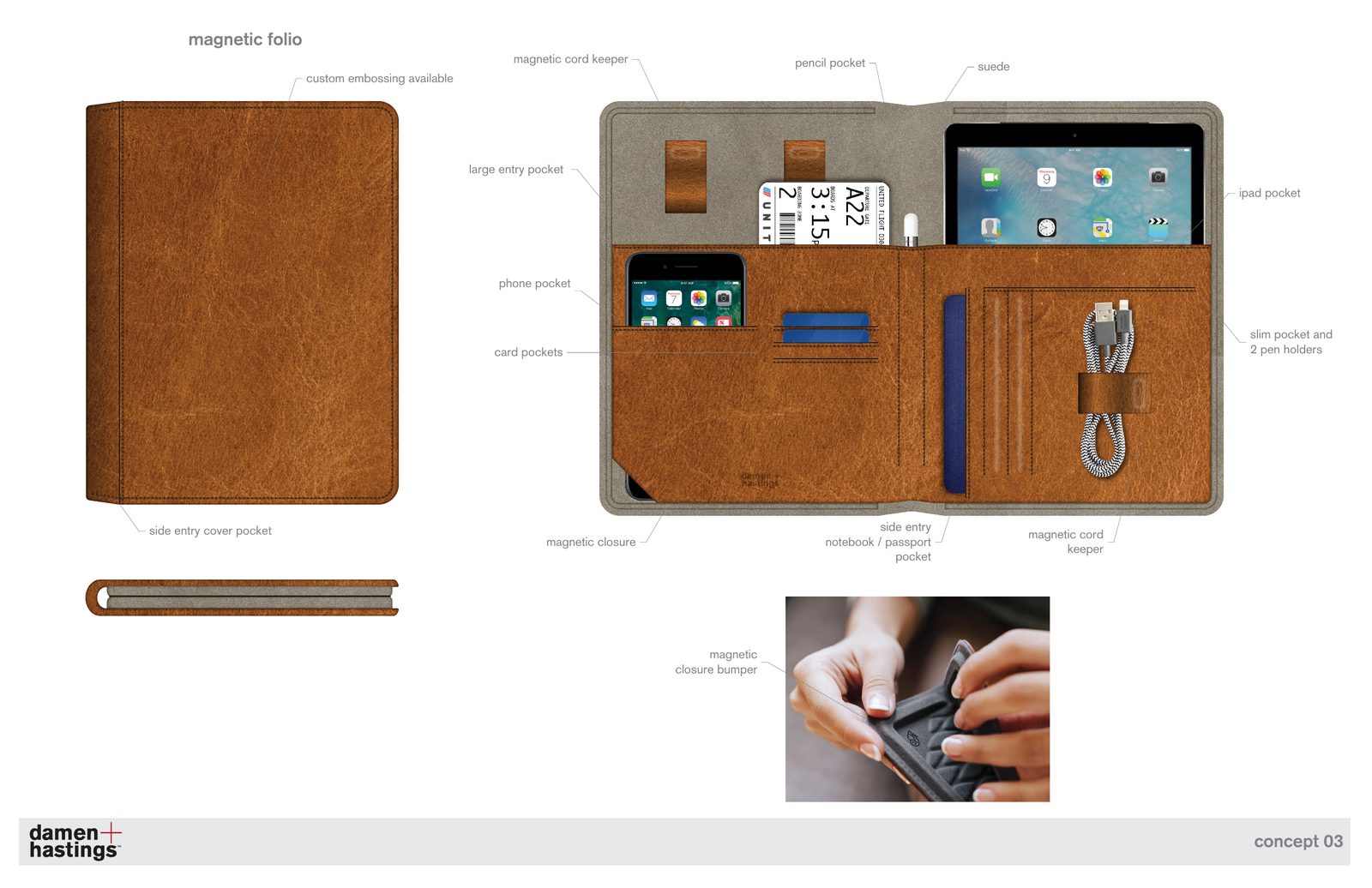
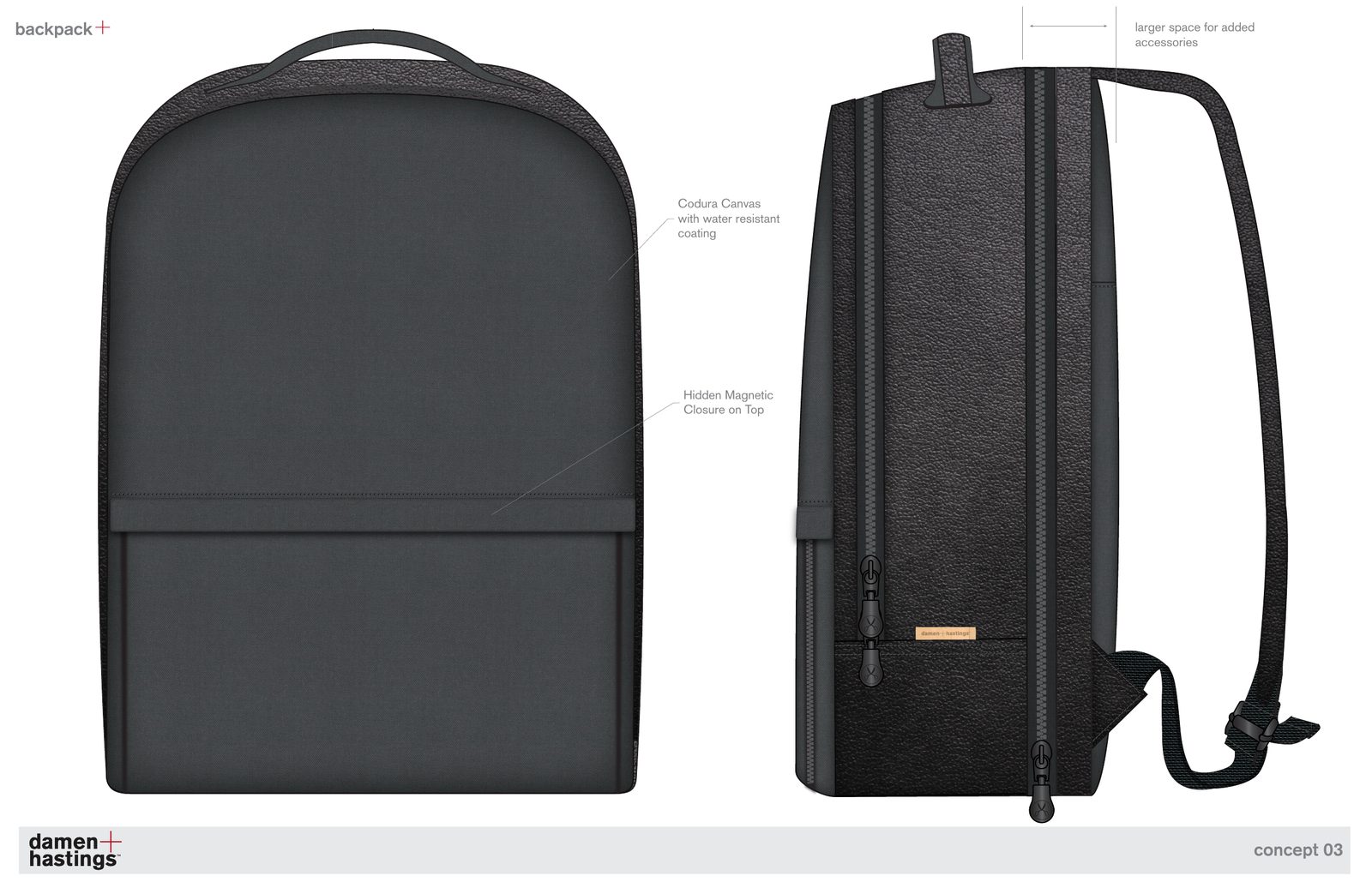
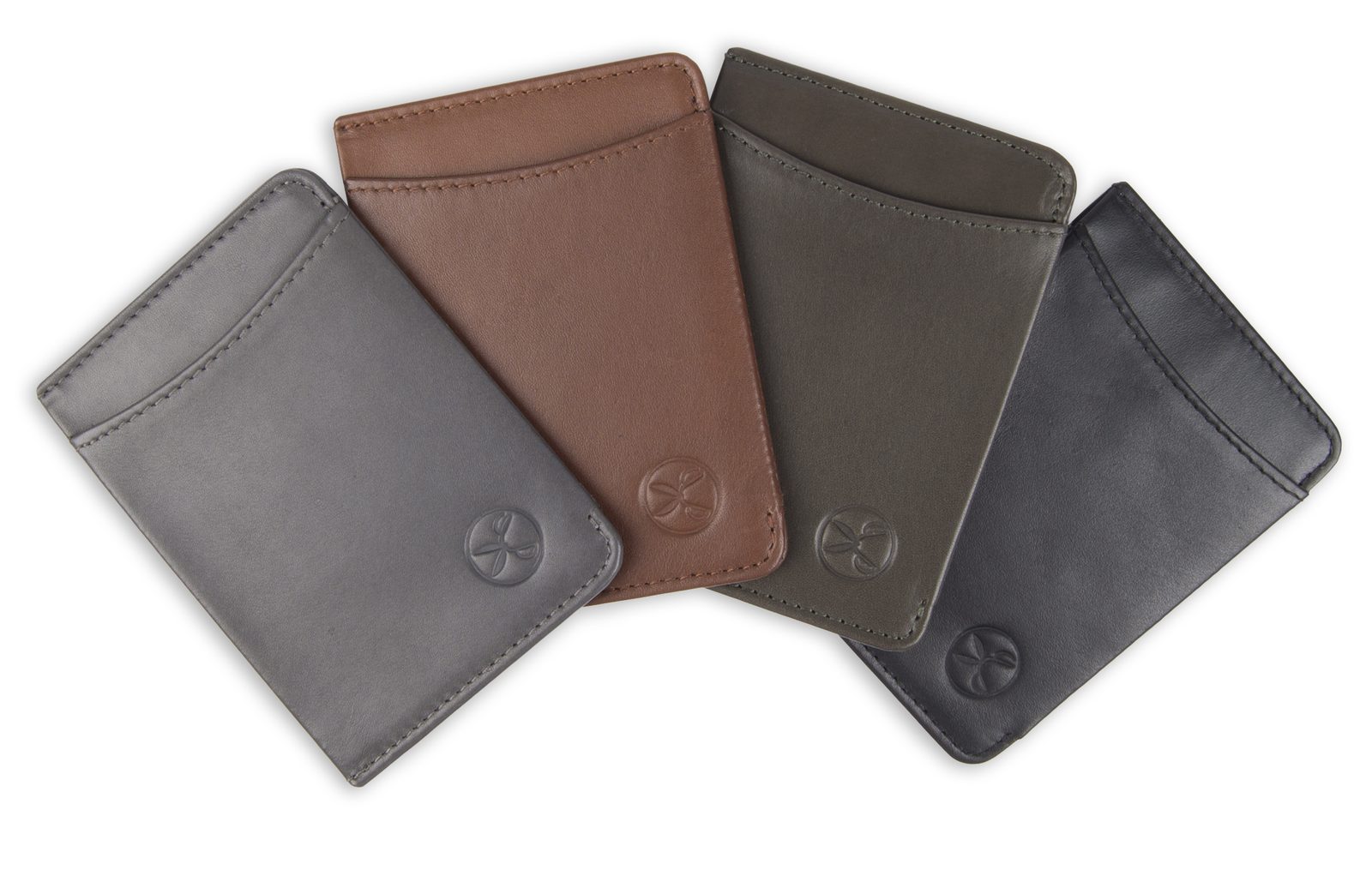
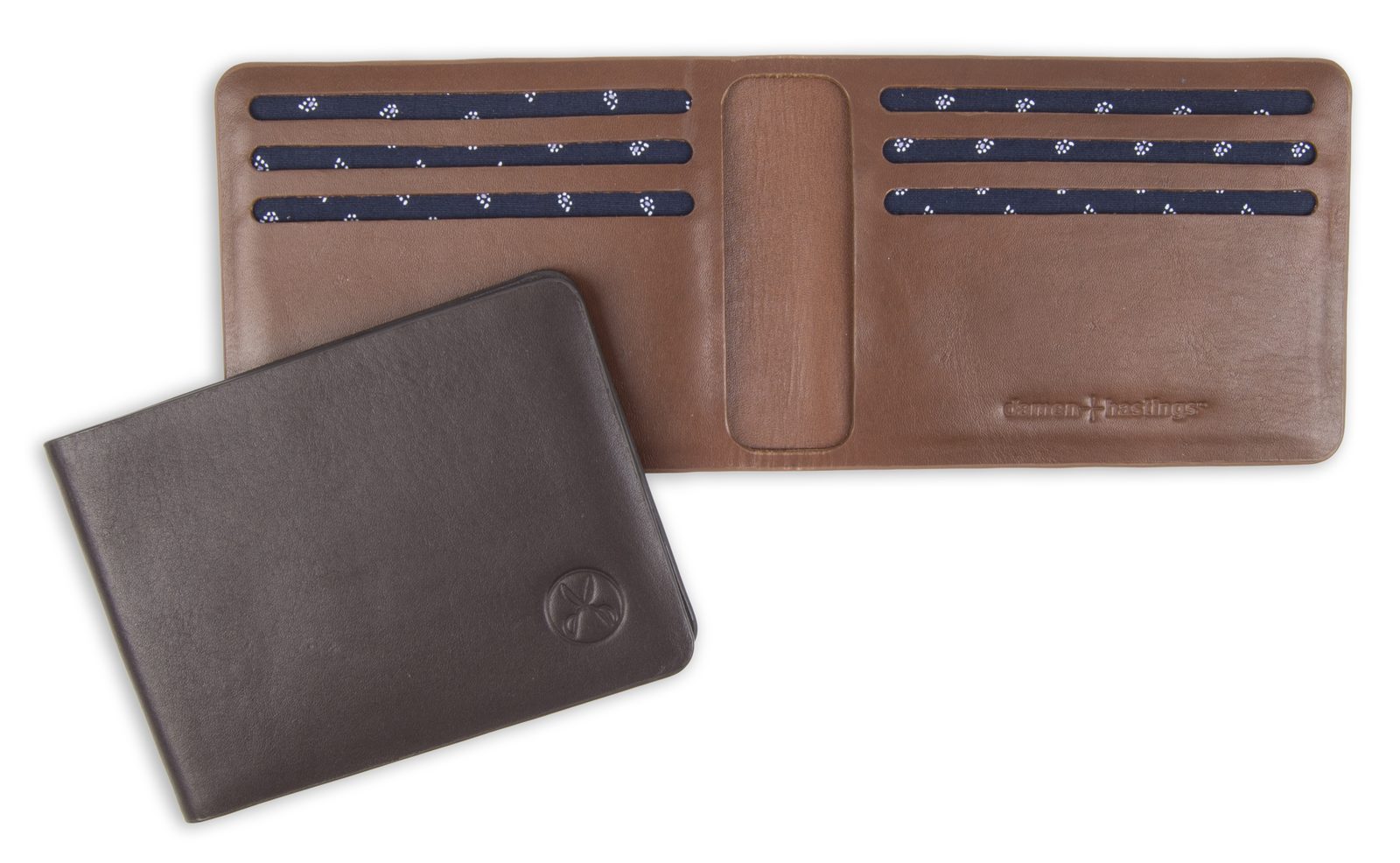
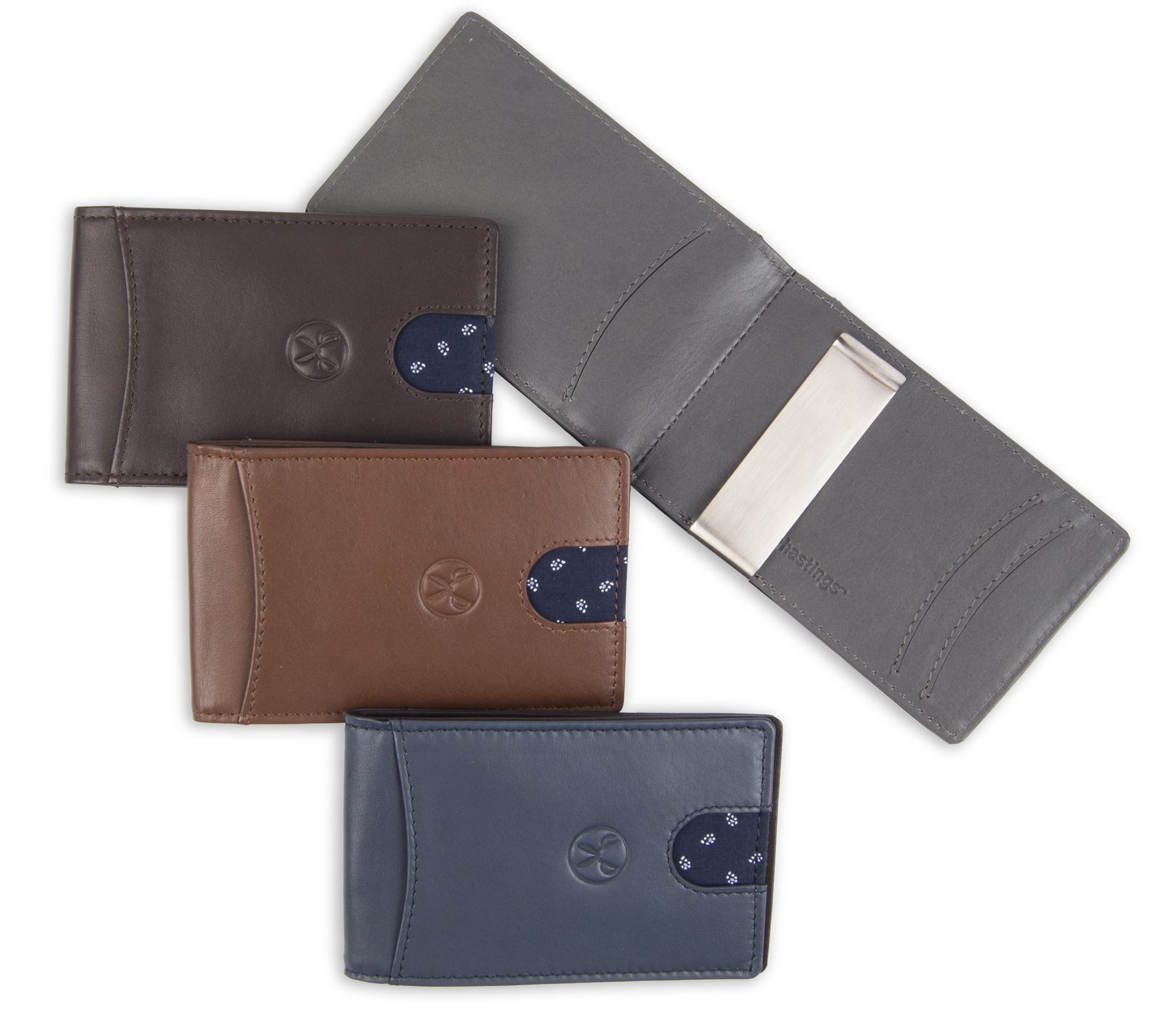
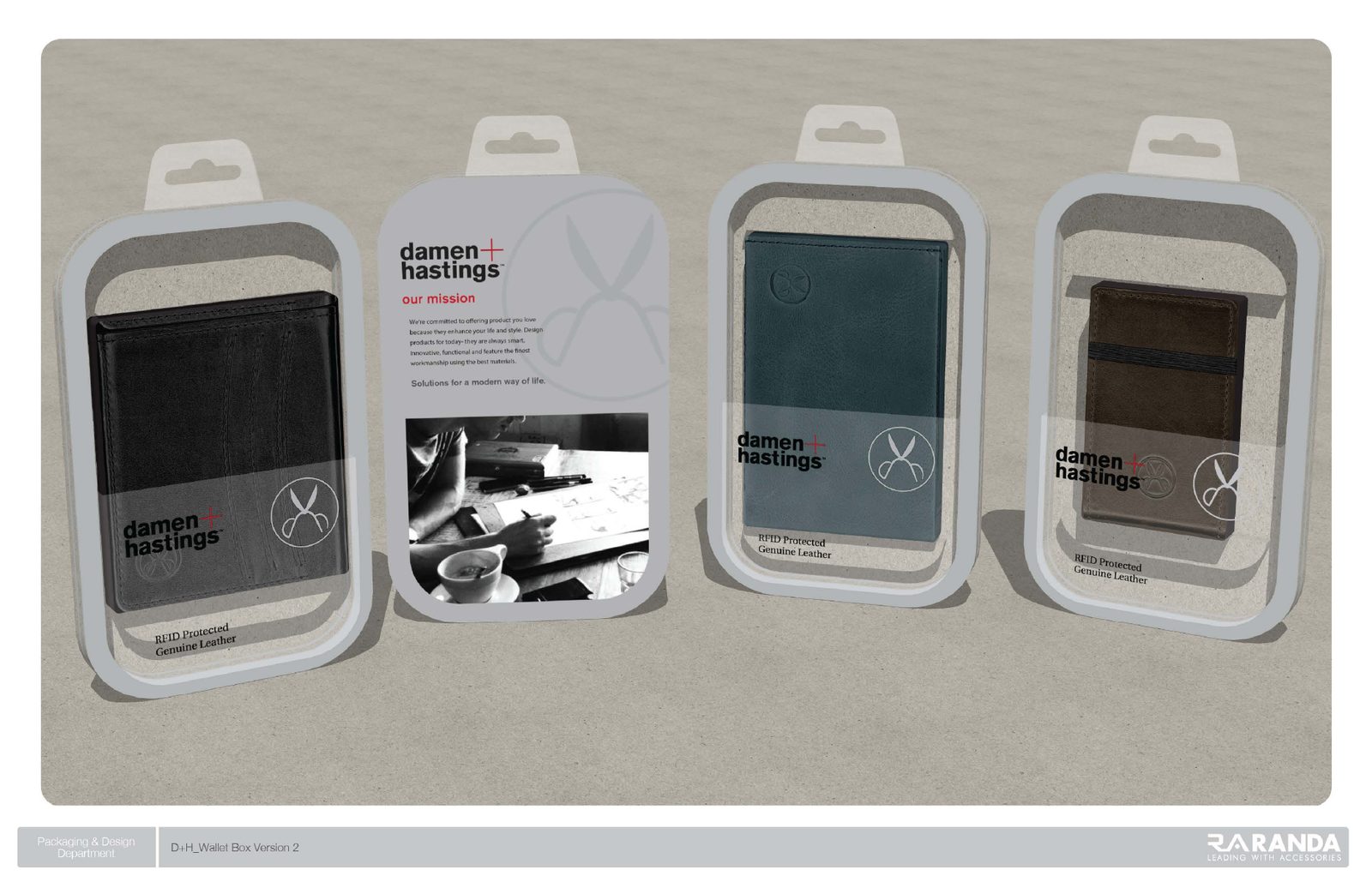
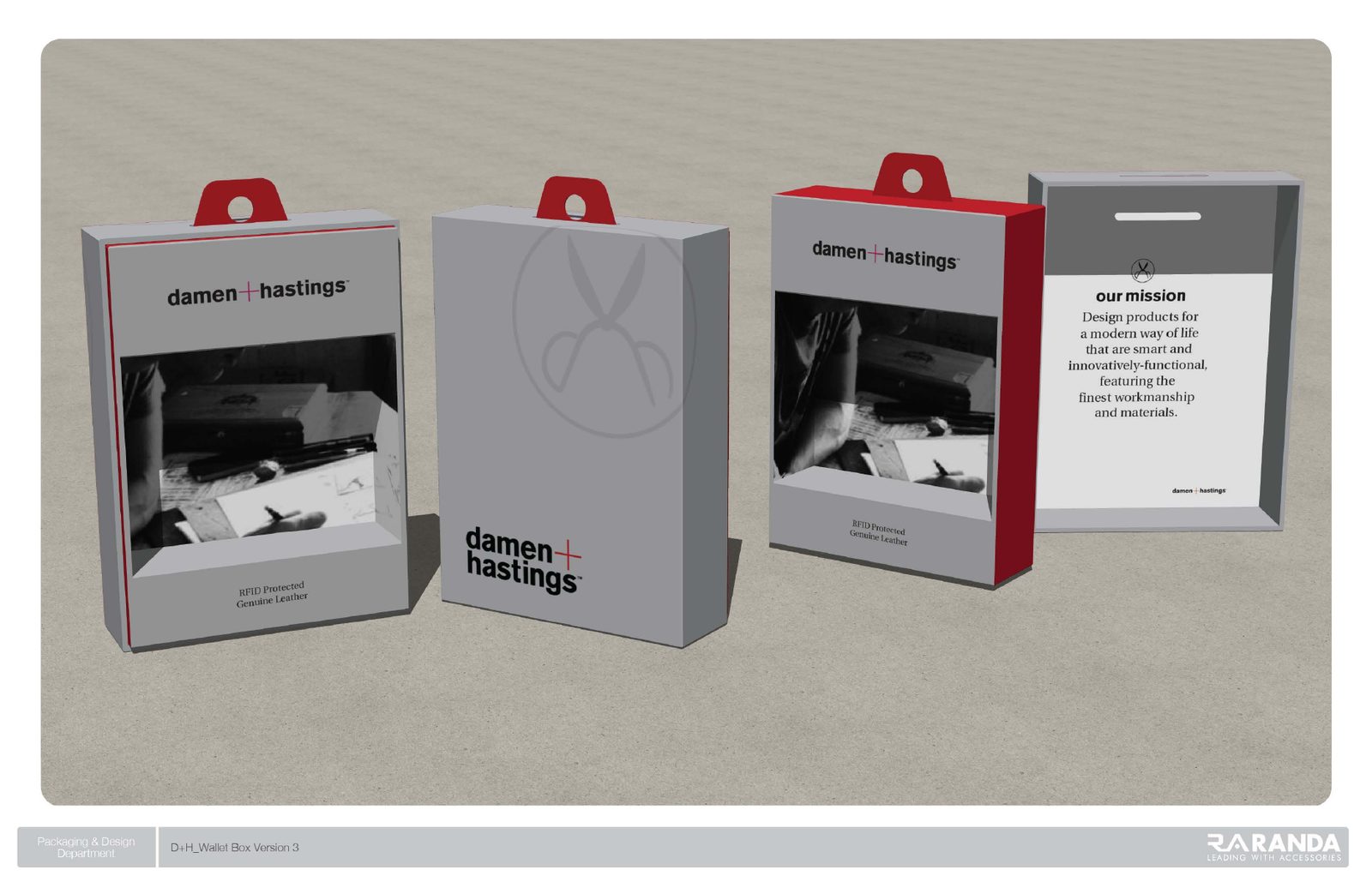
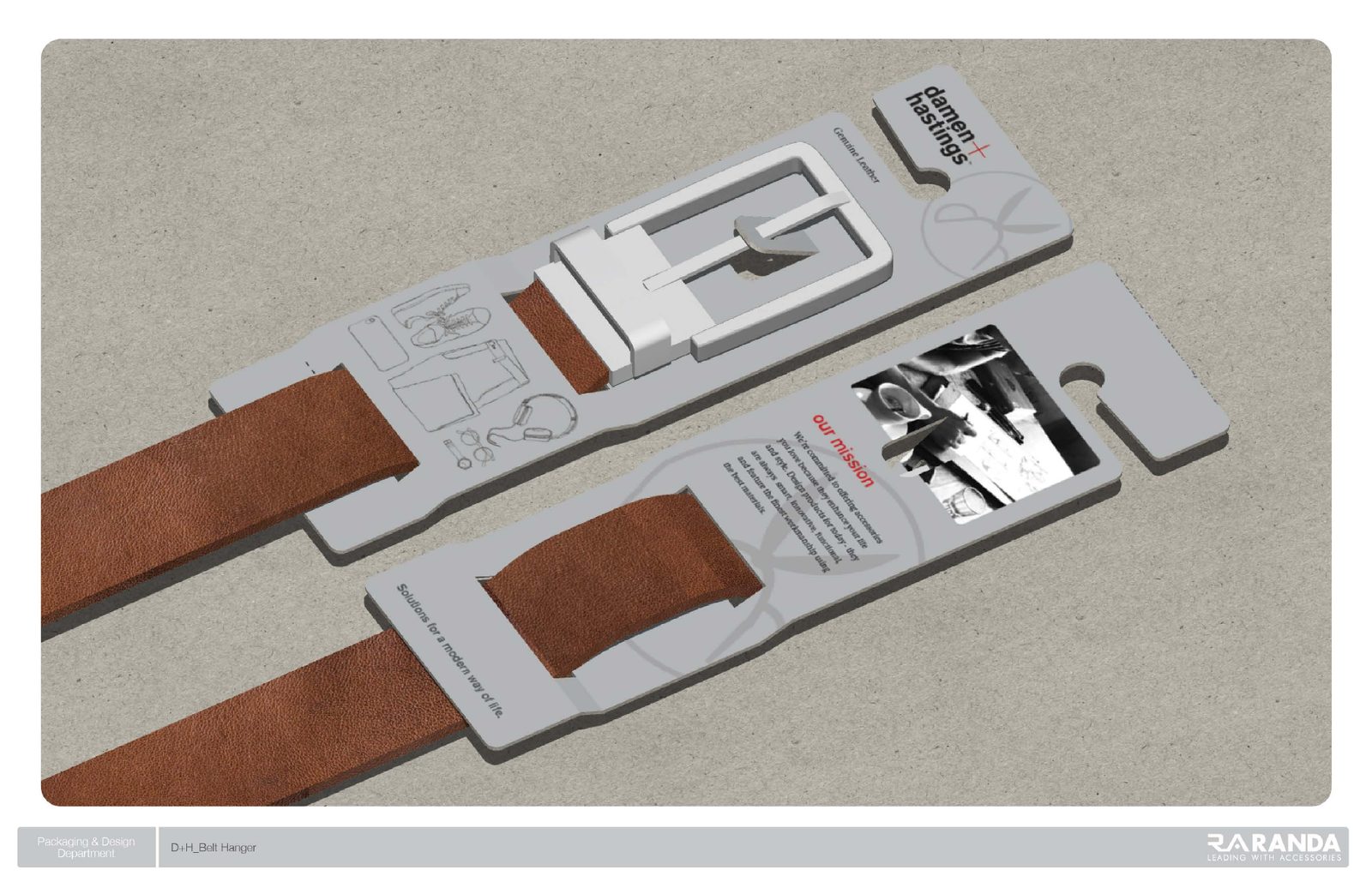
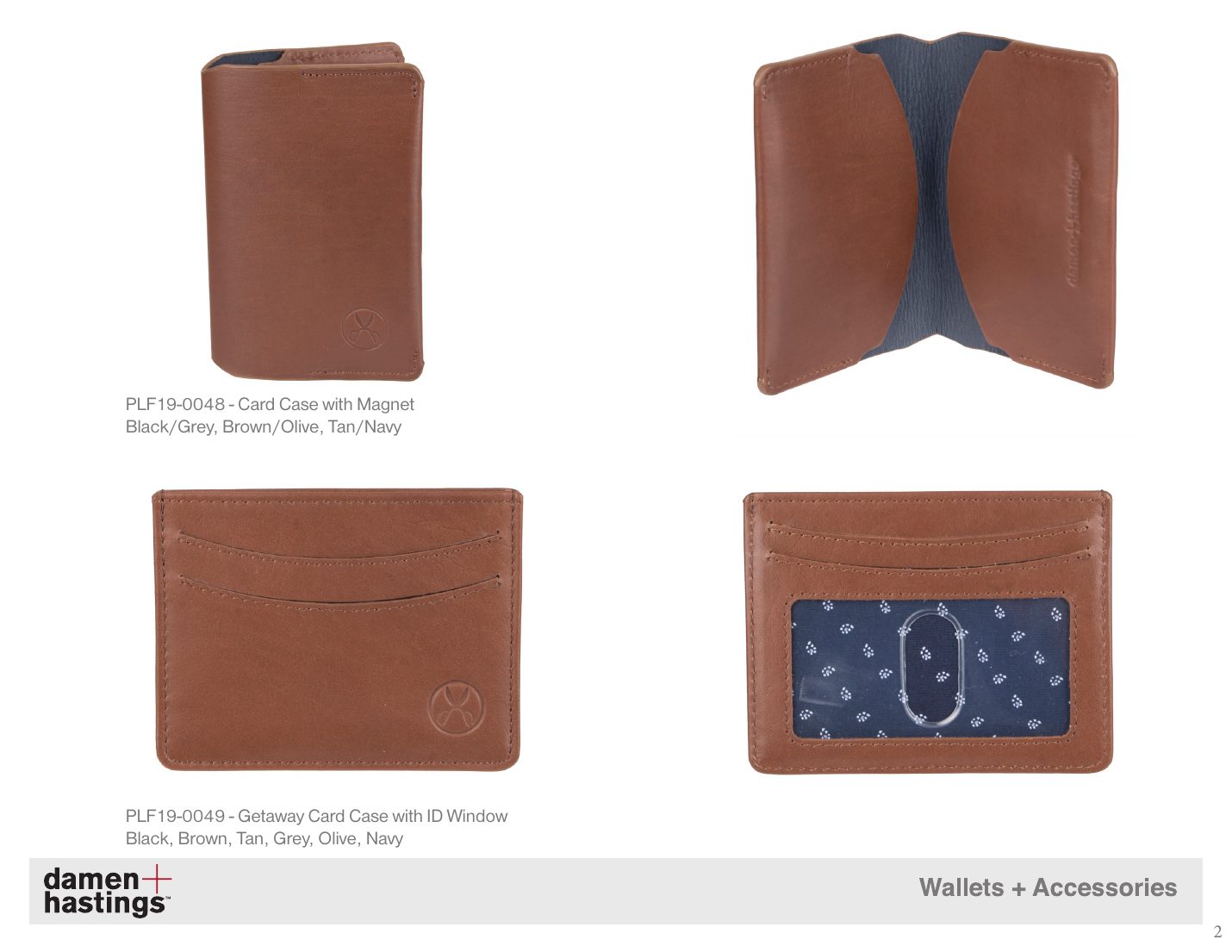
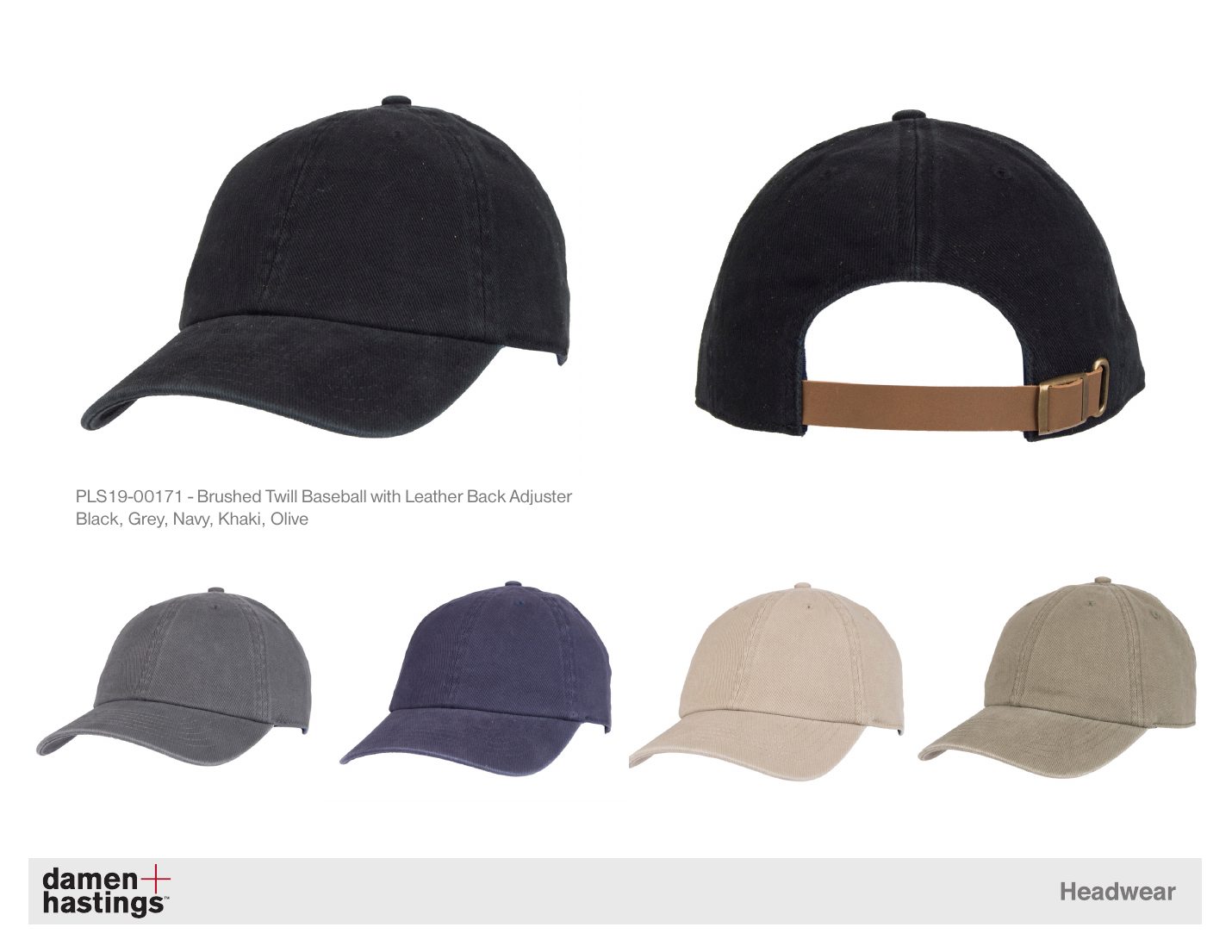
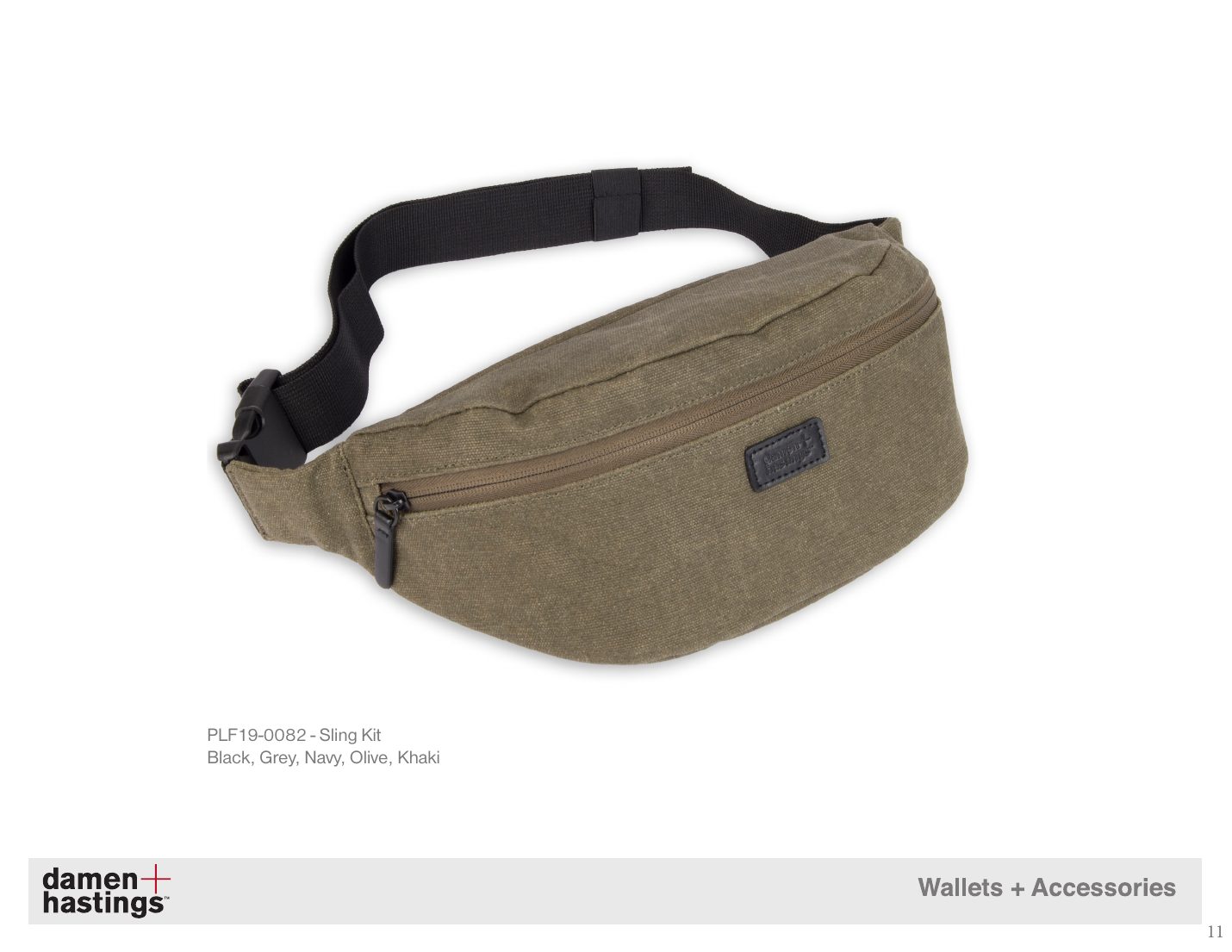
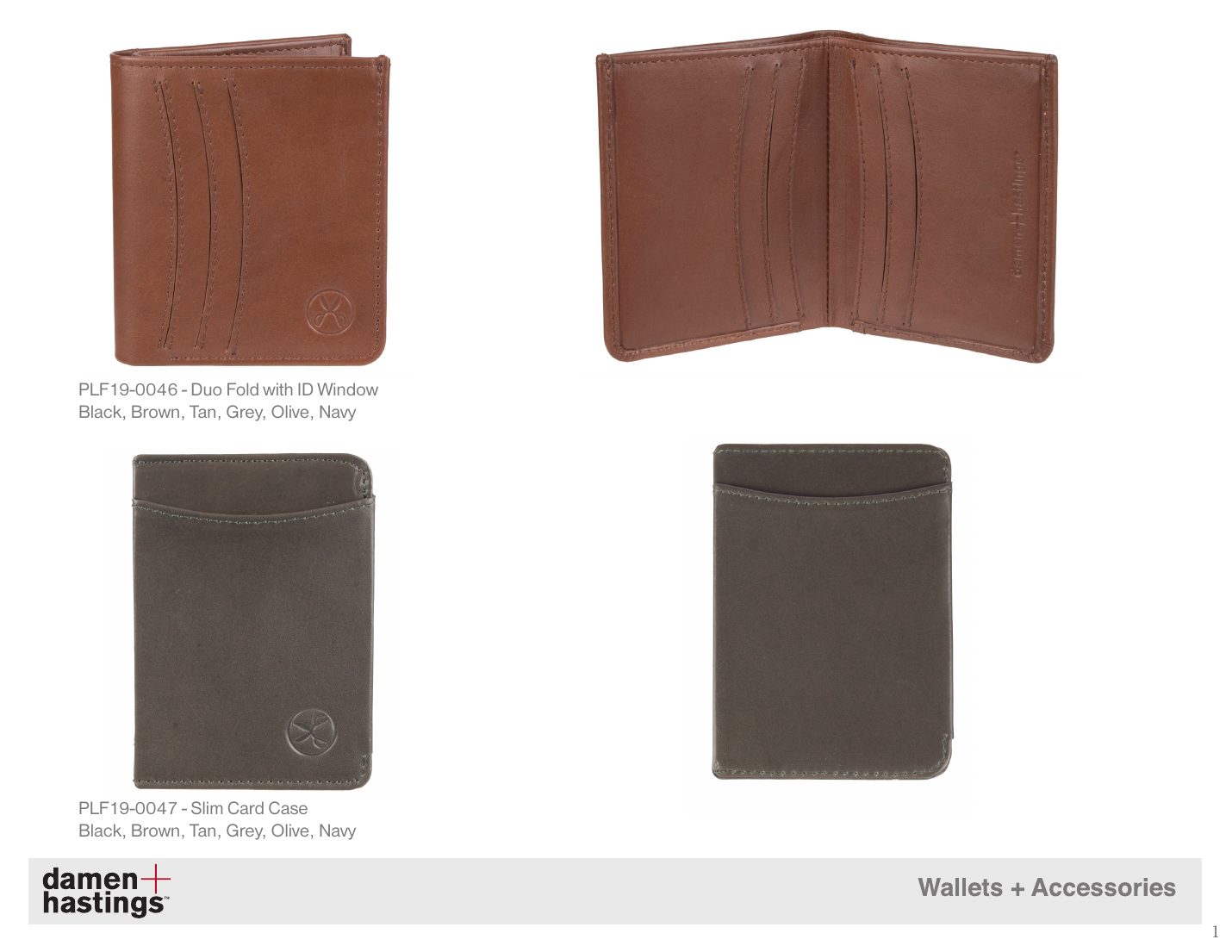
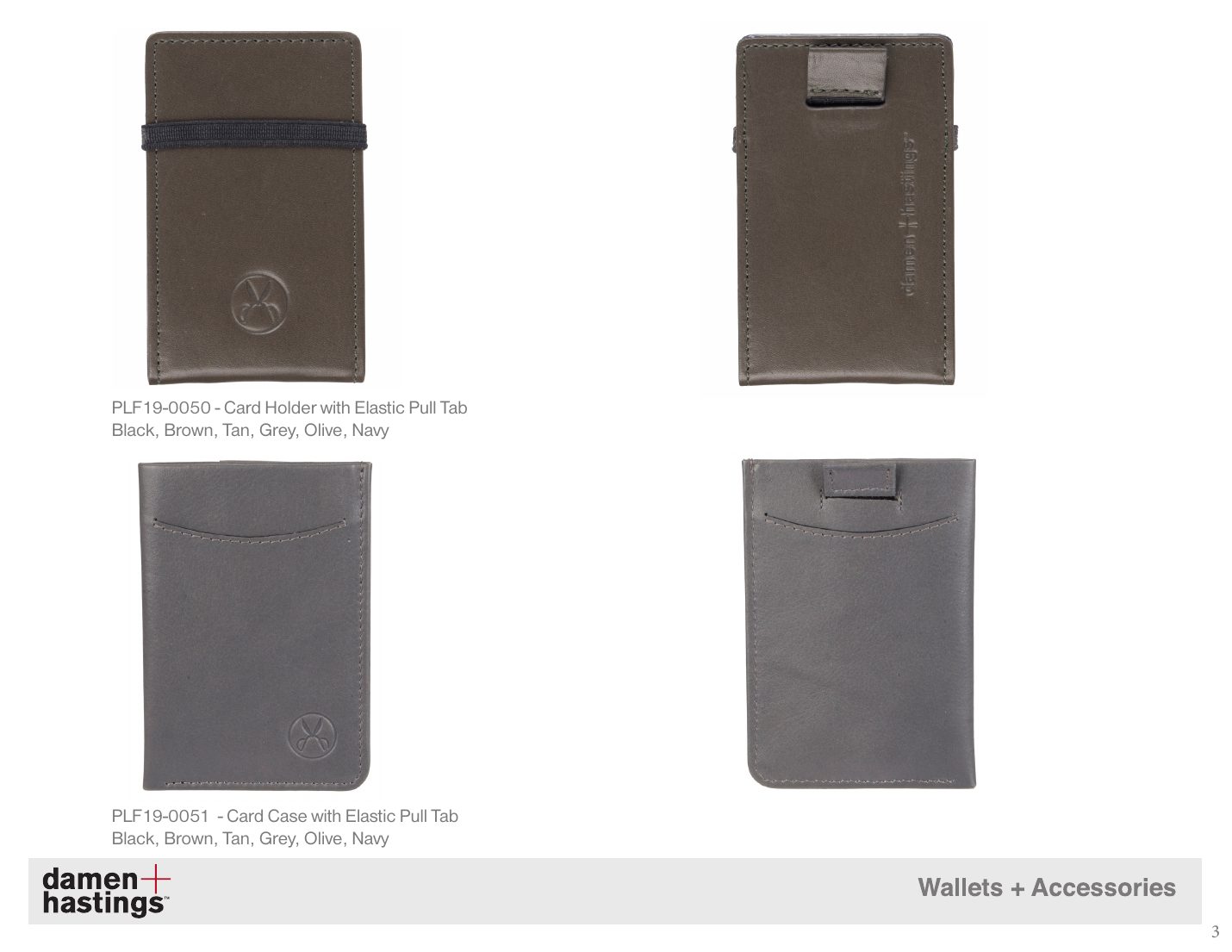
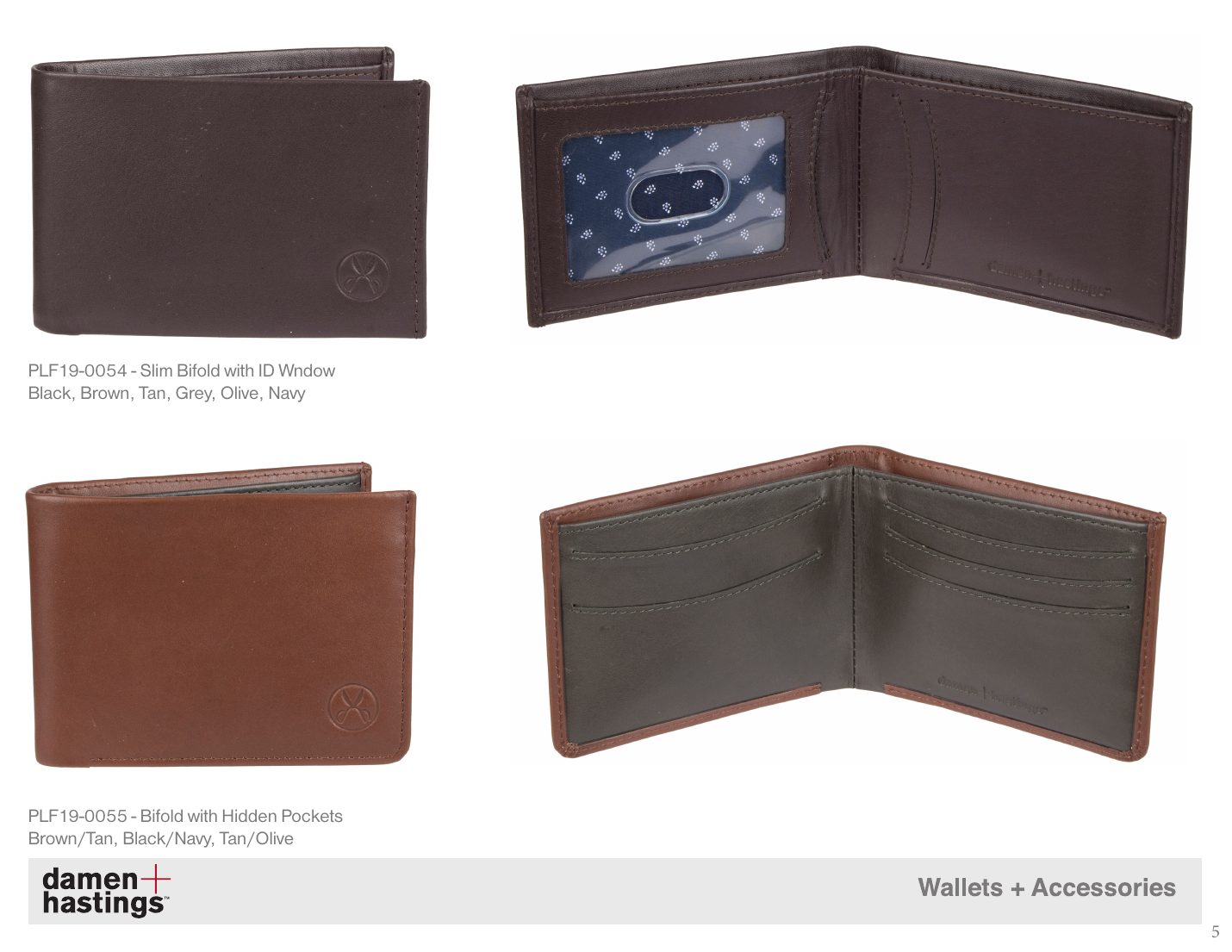
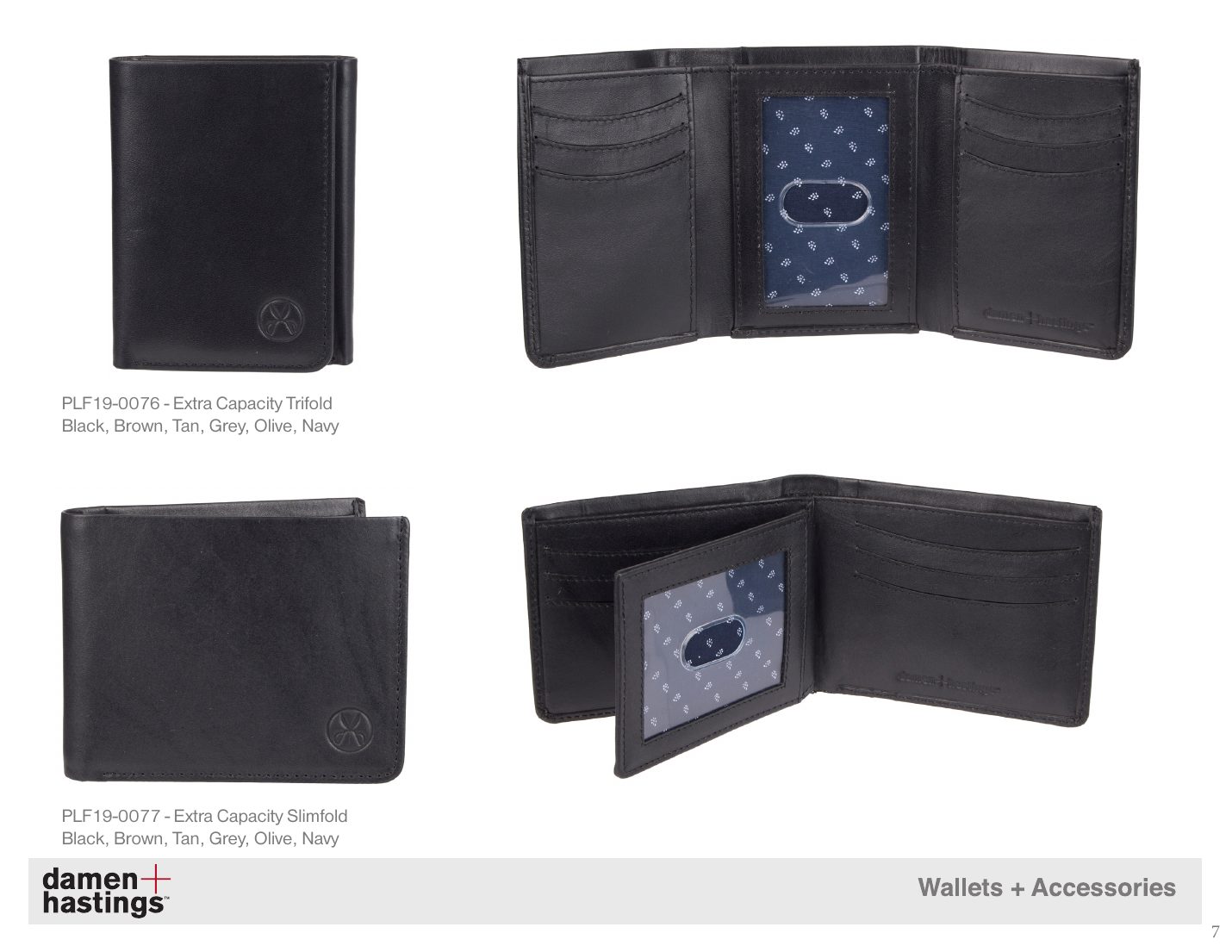
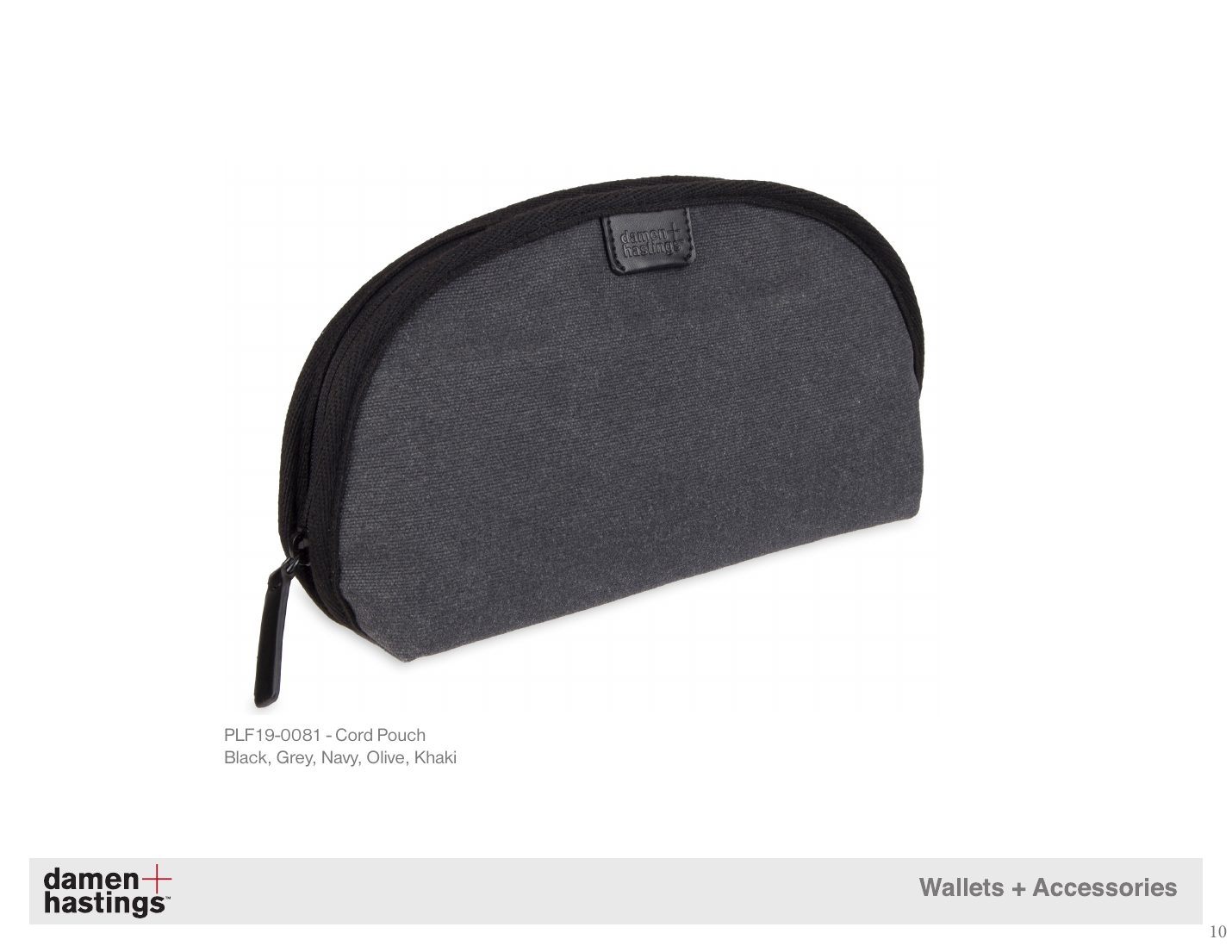
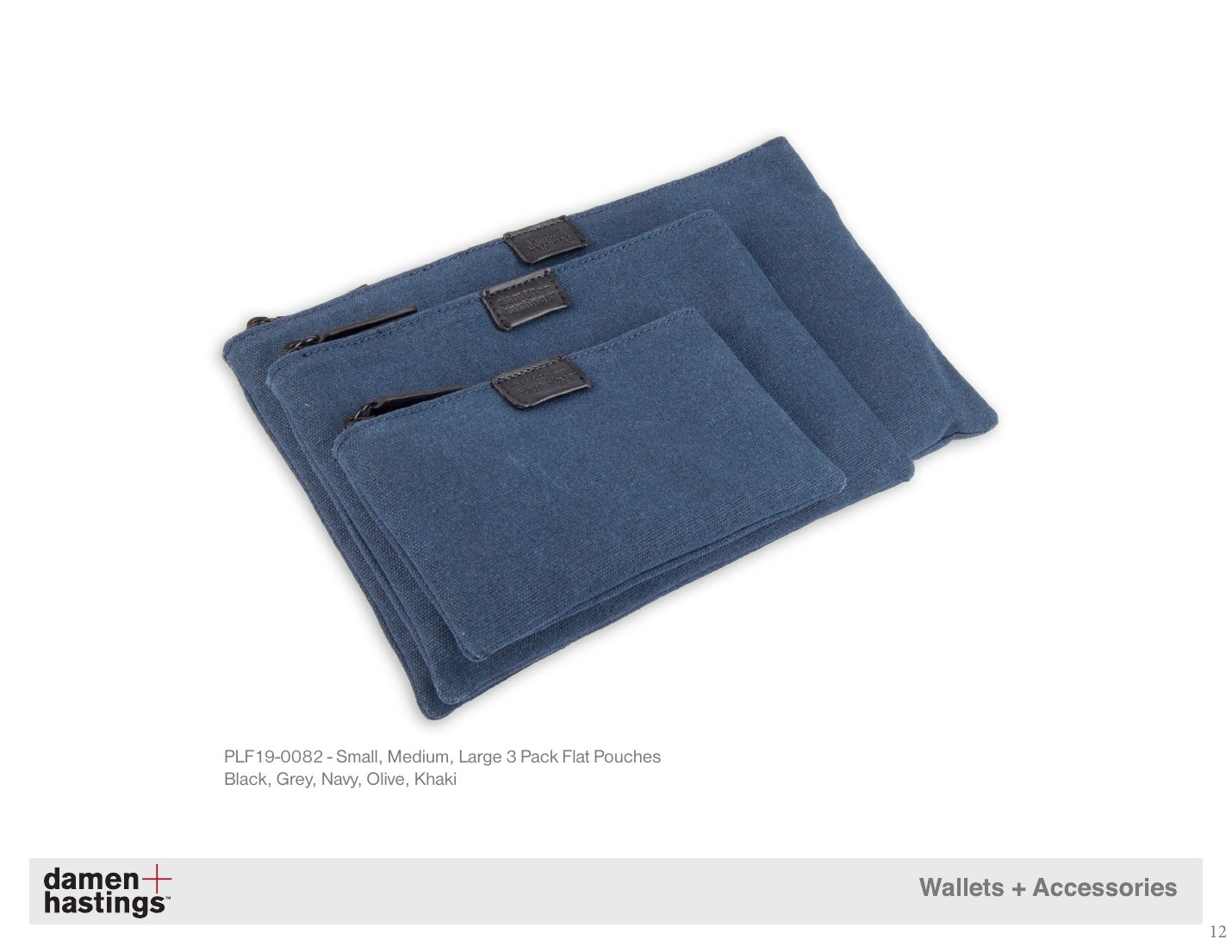
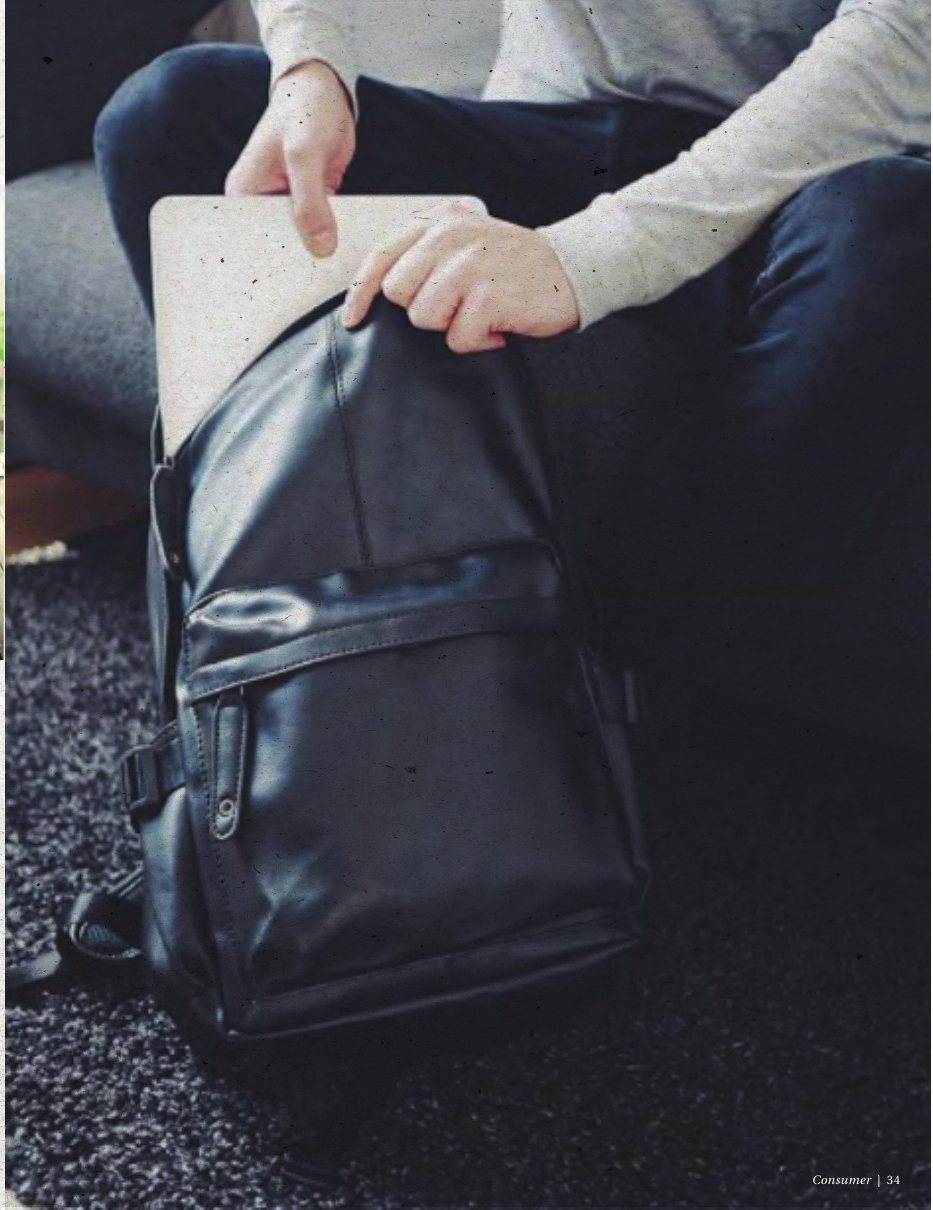
Working with design teams across categories, I established cohesive brand standards for belts, wallets, and bags that maintained the Damen + Hastings identity while giving teams creative flexibility. We focused on quality materials, refined details, and accessible price points. The product line needed to feel premium but approachable, supporting both our startup pop-up shops and eventual wholesale partnerships.

The challenge was creating consistency at scale without stifling innovation. Working with the team, I led the development of a comprehensive design system that articulated brand guardrails—material choices, proportion ratios, hardware selections, and packaging principles—while enabling cross-functional teams to make confident decisions. This wasn't a rigid brand book; it was a working framework that evolved as the product line expanded. Team members could ask, "Does this decision strengthen the Damen + Hastings story?" rather than "Does this match page 47 of the guidelines?" The result was a product ecosystem that felt cohesive across categories but never repetitive or forced.

Act 3: Retail & Ecommerce Growth

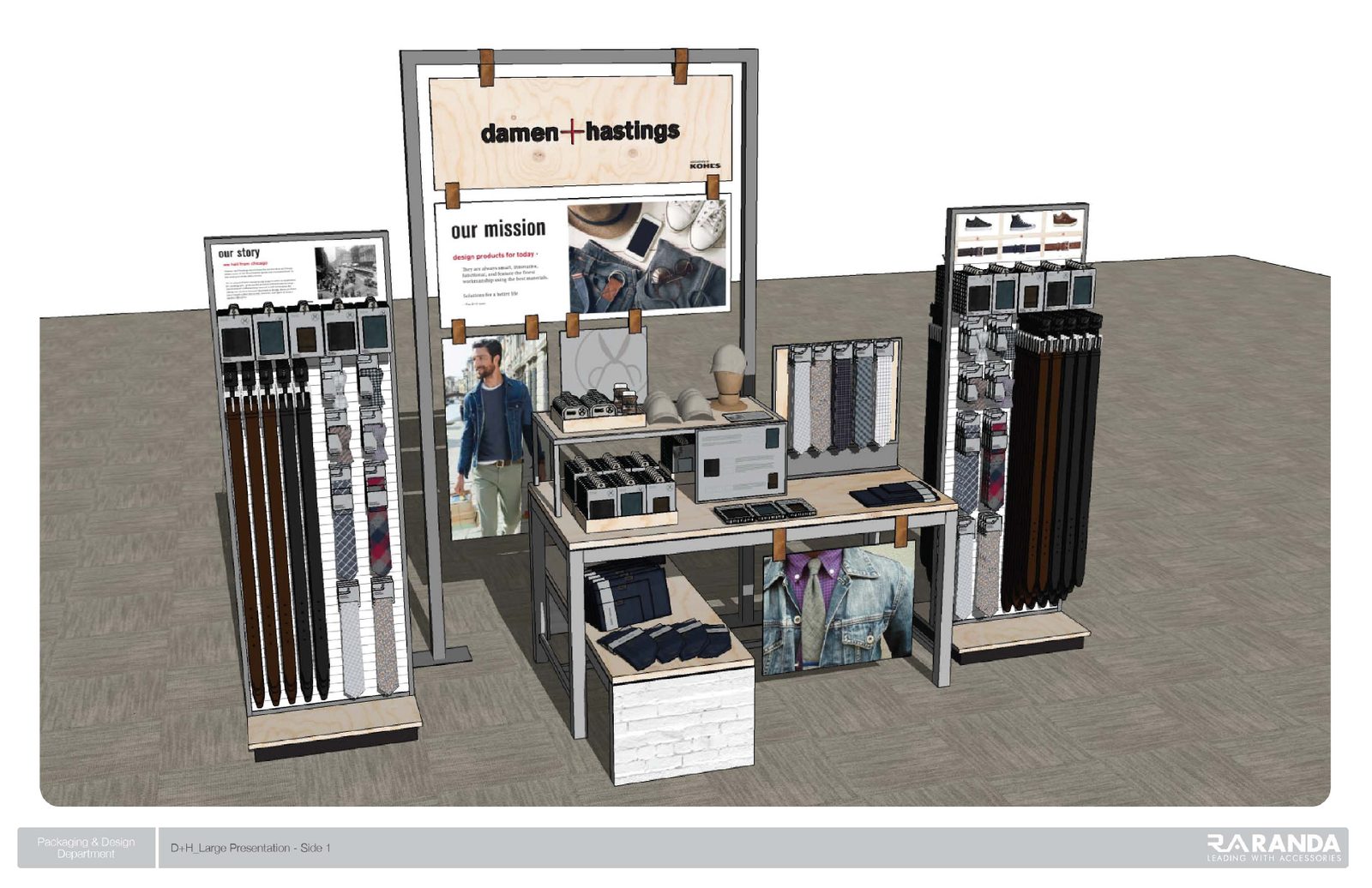
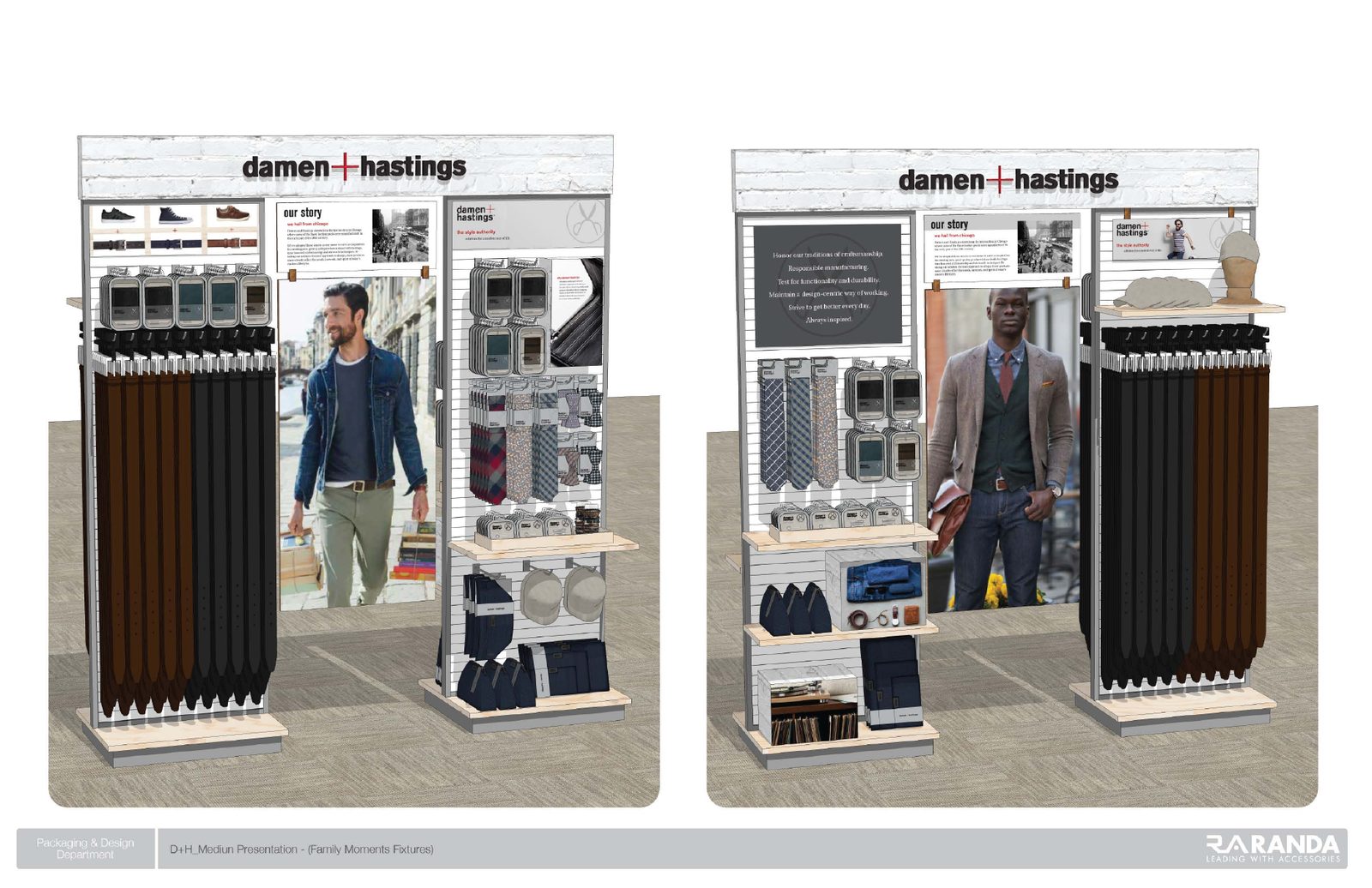
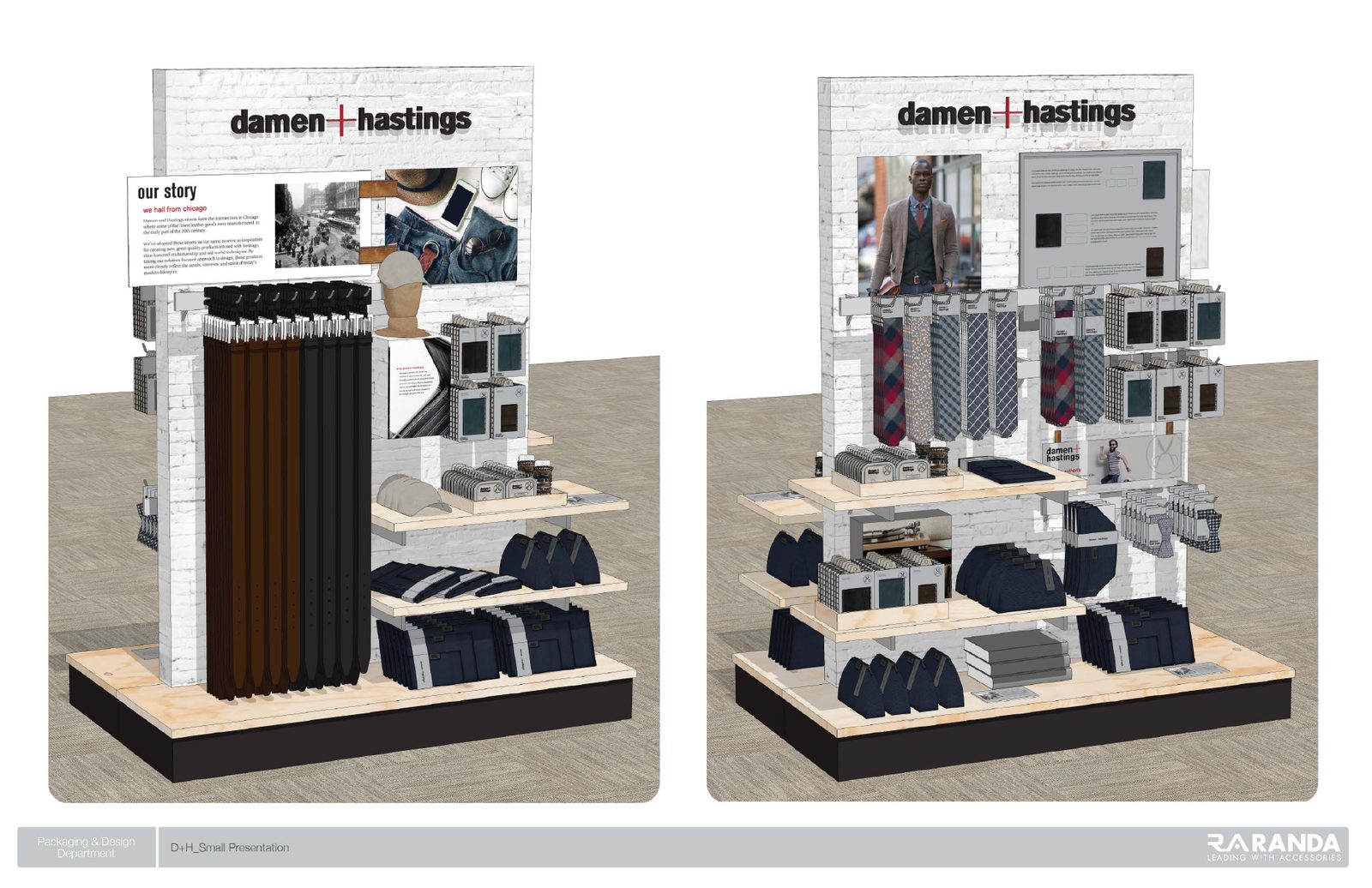
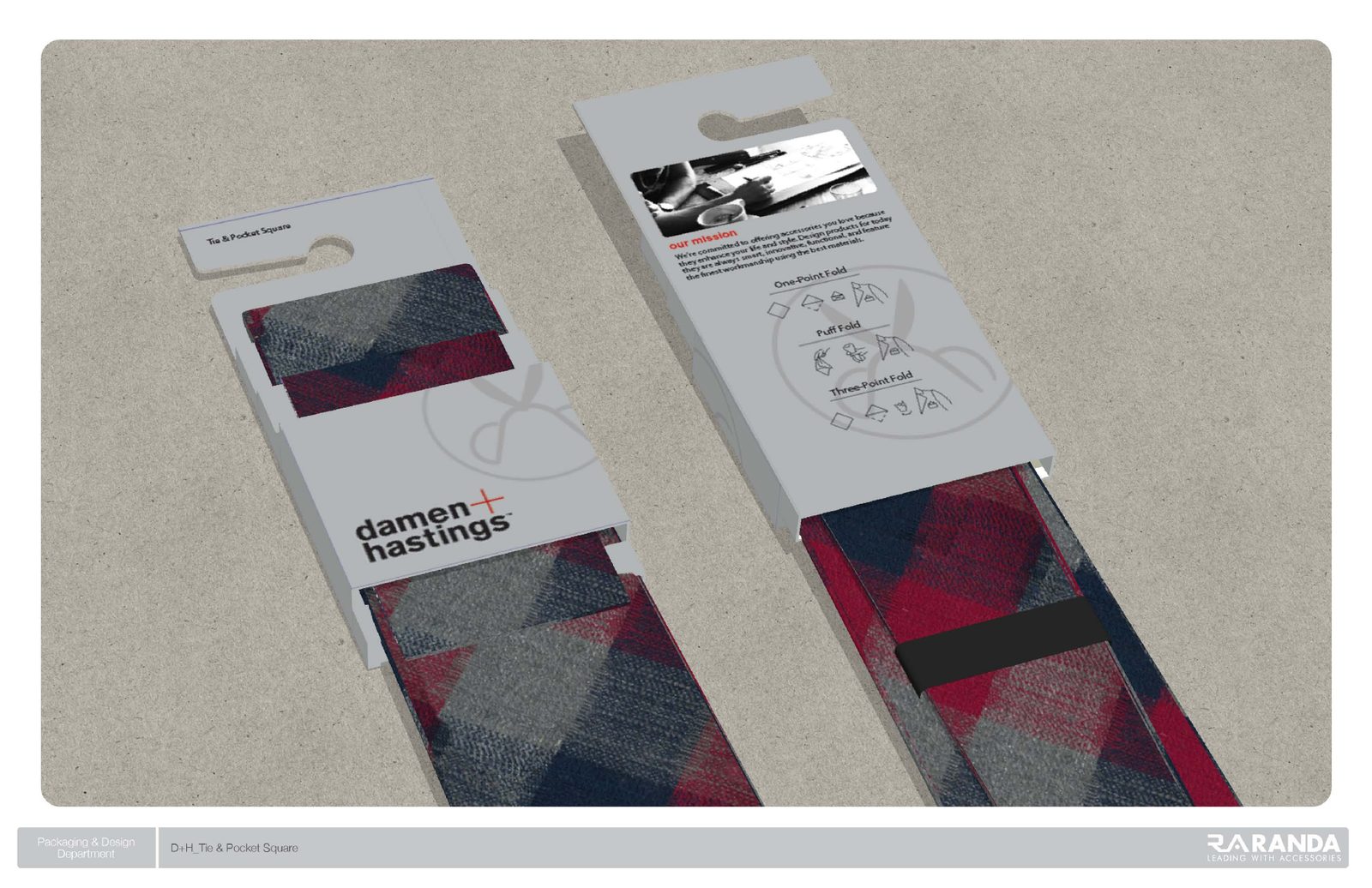
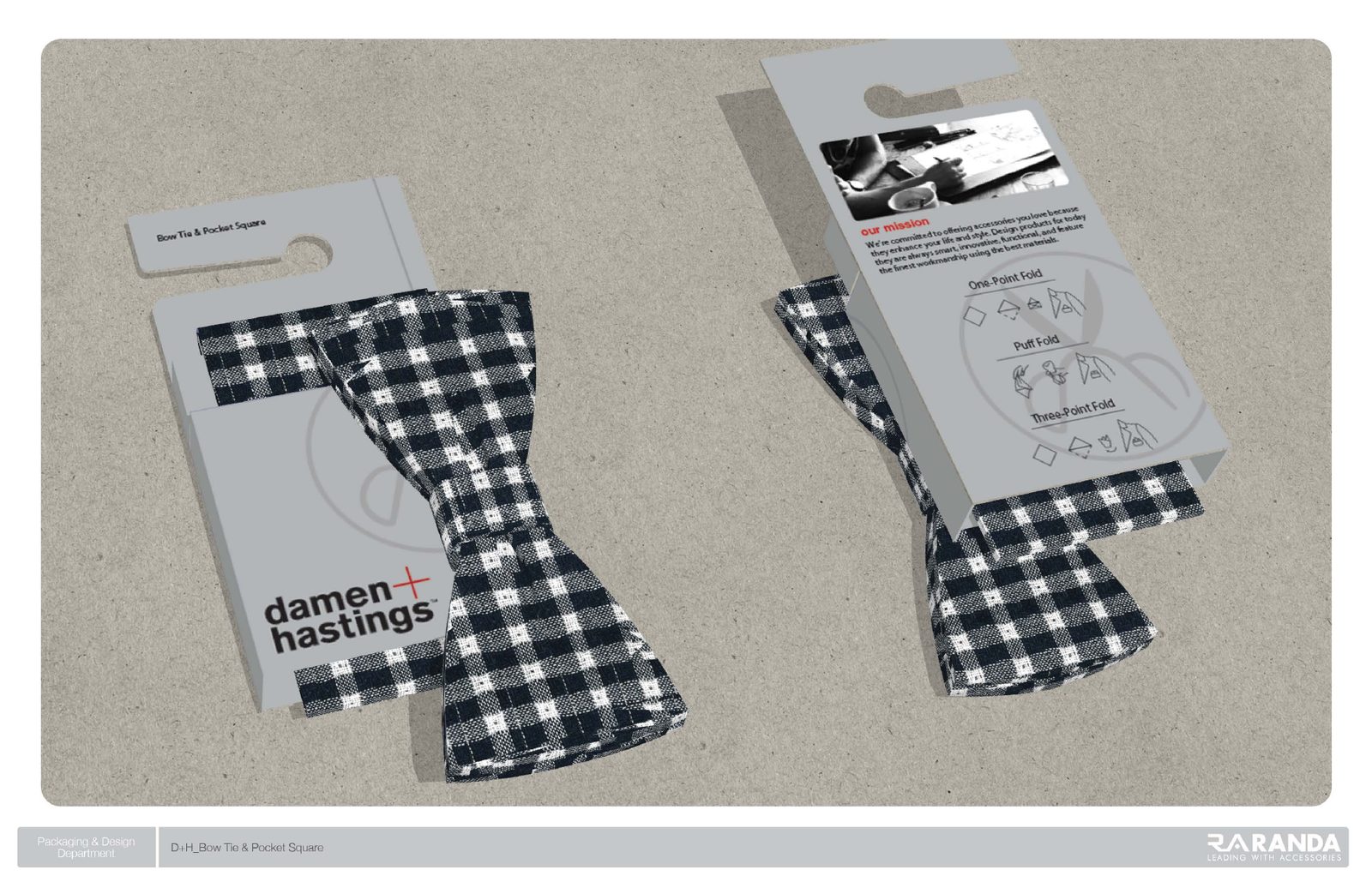
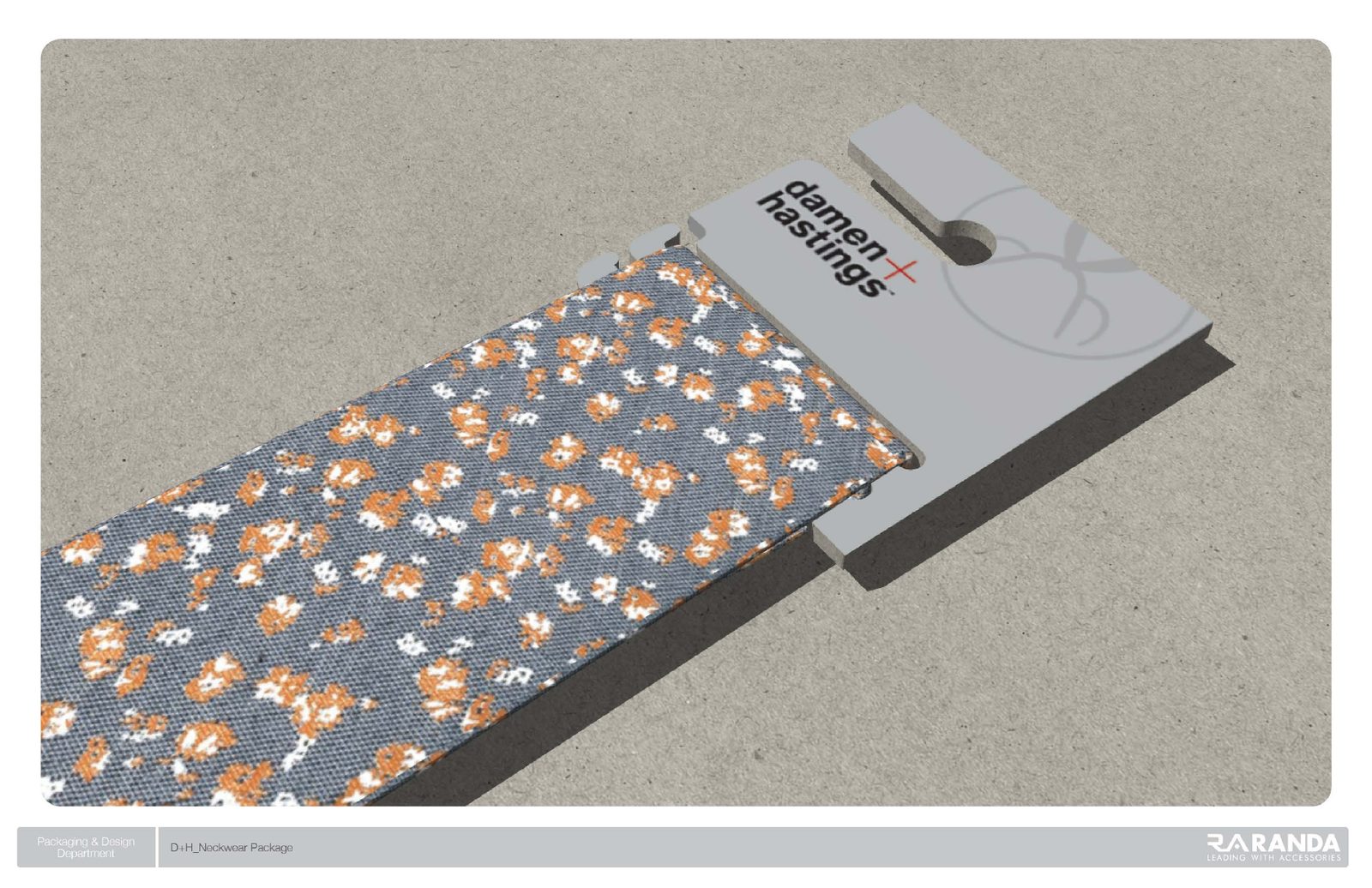
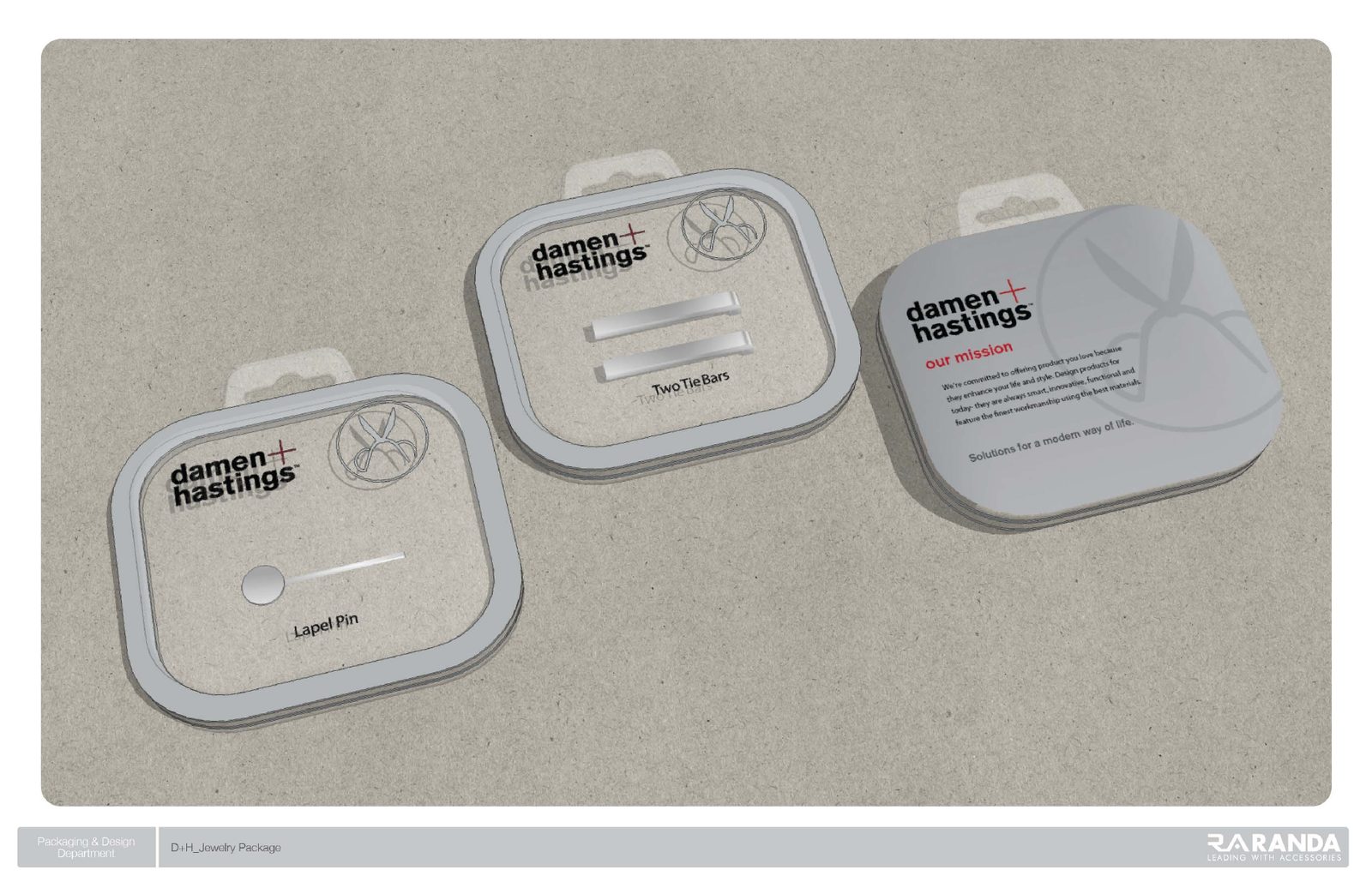
We launched with local Chicago pop-up shops and an ecommerce presence, treating Damen + Hastings like a true startup. This grassroots approach built authentic community connections and let us test concepts before scaling. We amplified the brand story through limited-edition collaborations — including a Made in USA partnership with accessories brand Pintrill — that reinforced the brand's independent, craft-driven identity. The brand grew into national distribution at Kohl's, complete with custom retail displays and packaging. More importantly, Damen + Hastings became RAA's innovation lab where we could rapidly test new retail strategies, packaging solutions, and point-of-purchase displays without the constraints of licensed brand approvals.

The journey from pop-up to Kohl's shelf taught a critical lesson: scaling doesn't require abandoning authenticity. Each retail environment—from intimate independent pop-ups to big-box wholesale—demanded different visual strategies. In a Kohl's context, we maintained our identity through strategic moments: custom packaging that told the brand story, merchandising displays that elevated the product, and a cohesive presence that held its own alongside established competitors. The brand didn't get diluted; it got louder where it mattered and quieter where the customer was making decisions based on product quality and value.

Key Results & Strategic Impact

From Pop-Up to National Retail. What started as a scrappy local activation in Chicago grew into a full national distribution partnership with Kohl's, proving that a company-owned brand could compete and win in major retail environments. This wasn't just a sales win—it validated that authentic, thoughtfully-designed brands could operate at scale without losing their identity or compromising on quality standards.

A Replicable Design System. The brand framework became a model for how RAA could launch future vertical brands. By documenting the decision-making process—not just the visual outputs—the system became portable. Other teams could understand the strategic thinking behind every choice, allowing them to apply the philosophy to new categories and price points. The system scaled from belts to a wider product range, proving that thoughtful design governance enables growth rather than limiting it.
An Innovation Lab Within RAA. Damen + Hastings became the proving ground for experimental retail strategies. Free from the approval layers required for licensed brands, the team could test new packaging materials, display innovations, and direct-to-consumer marketing tactics. Successful experiments were documented and shared across the organization, accelerating how RAA approached problem-solving for all its brands. The brand's commercial success was secondary to its strategic value as an internal R&D engine.

Creative Leadership Demonstrated. This project showed what happens when a creative leader takes full accountability for a brand—from strategic conception through product development to retail execution. Rather than optimizing within constraints set by others, there was the opportunity to set the constraints. Every decision reflected a coherent point of view about what the brand was and why it mattered. That clarity is what differentiated Damen + Hastings in a crowded accessories category.

Lessons in Building a Brand from Zero

Working on Damen + Hastings from zero taught a fundamental distinction: designing FOR a brand versus designing AS the brand. In most roles, the designer serves a brief written by someone else. A brand manager decides the positioning, a product manager defines the constraints, and the designer's job is to express those decisions beautifully. That's valuable work. But when you're building from scratch, every design decision is also a business decision. The choice of a particular serif typeface isn't just aesthetic—it signals something about price positioning and customer sophistication. The decision to use natural materials in packaging isn't just more beautiful; it tells a story about sustainability that enables a price premium. Design becomes inseparable from strategy because design IS strategy.

This experience directly shaped how I approached leadership at larger scale. At Randa, overseeing design for a multi-billion-dollar portfolio, the challenge was different but related: How do you maintain strategic clarity when you have dozens of teams, hundreds of product lines, and legacy decisions that predated your arrival? The lessons from Damen + Hastings were about establishing principles that stick, building systems that scale, and earning the kind of organizational trust that allows creative leaders to influence business strategy. You do that by showing your work, by making the reasoning transparent, by building consensus around the why before debating the what. Damen + Hastings was the prototype for how to think about design leadership—not as creative execution, but as strategic influence.

Perhaps most importantly, this experience taught what's harder to learn on established brands: the true cost of creative decisions. In a large, mature business, a design choice might fail and the impact is absorbed across a large user base or a thick profit margin. On a small early-stage team, every choice compounds. A questionable packaging decision affects inventory costs, customer perception, retail relationships, and cash flow. That real-world feedback loop creates a different kind of discipline. It makes you a more rigorous designer because you understand in visceral terms that "good design" isn't about what wins awards—it's about what drives behavior, builds loyalty, and scales a business. That rigor shaped everything that came after.

"When your goal is to describe a vision for the future, information is not enough... What they need is a way to imagine life after the change. That's why it's called a vision and not a plan."

Marty Neumeier