Taking Accessories Digital with 3D
Leading the company-wide move to 3D sampling in accessories, in partnership with Target’s 3D Product Creation team.
At a glance
Challenge
Retailers like Target were moving to 3D sampling, and accessories had no playbook for it.
What I did
Ran a designer trial with Target’s 3D team, chose CLO 3D, hired a full-time 3D designer in China, set the standards and got VP buy-in.
Result
−66%Physical samples. 35% faster speed to market, two weeks out of the cycle, and 75% of approvals moved to digital.
A category with no playbook
Retail partners like Target were moving to 3D sampling in every department. It was standard in apparel, but almost nobody was doing it in accessories, especially mixed soft and hard goods like belts.
The pressure came from two sides. Sampling costs and timelines were climbing, and retailers were asking for digital workflows we didn’t have yet. There was a sustainability cost too: every round of strike-offs, prototypes and revisions uses material and ships across the world, and that adds up across hundreds of SKUs.
My mandate was to research and choose the right software, get the team proficient, set up an international 3D team, and meet our retail partners’ expectations in a category with no playbook.
How the rollout worked
I put together a trial group of designers to test 3D software, working directly with Target’s 3D Product Creation team. Together we chose CLO 3D because it could handle mixed-material accessories. I hired a full-time 3D designer from one of our China offices, and we built the standards and workflow for 3D in our category.
At the same time, I worked with VPs across product development, operations and IT to get buy-in for changing how the whole company developed product.
Trial group
Designers tested 3D software on real product.
Platform
Chose CLO 3D with Target’s 3D team.
Hire
Added a full-time 3D designer in China.
Standards
Set the workflow and quality bar for 3D.
Buy-in
VPs across product, operations and IT.
Not everyone was sold at first. 3D software is expensive, and it has a steeper learning curve than the tools our teams already knew. Target was pushing for every sample to go through 3D, but accessories was nowhere near as far along as apparel, so getting started meant paying for software and training people before the category had a playbook.
I still pushed for us to be one of the leaders in 3D for accessories, for three reasons. It showed our commitment to Target. It showed our leadership and commitment to the category. And it let us help set the standards for 3D in our industry rather than follow them.
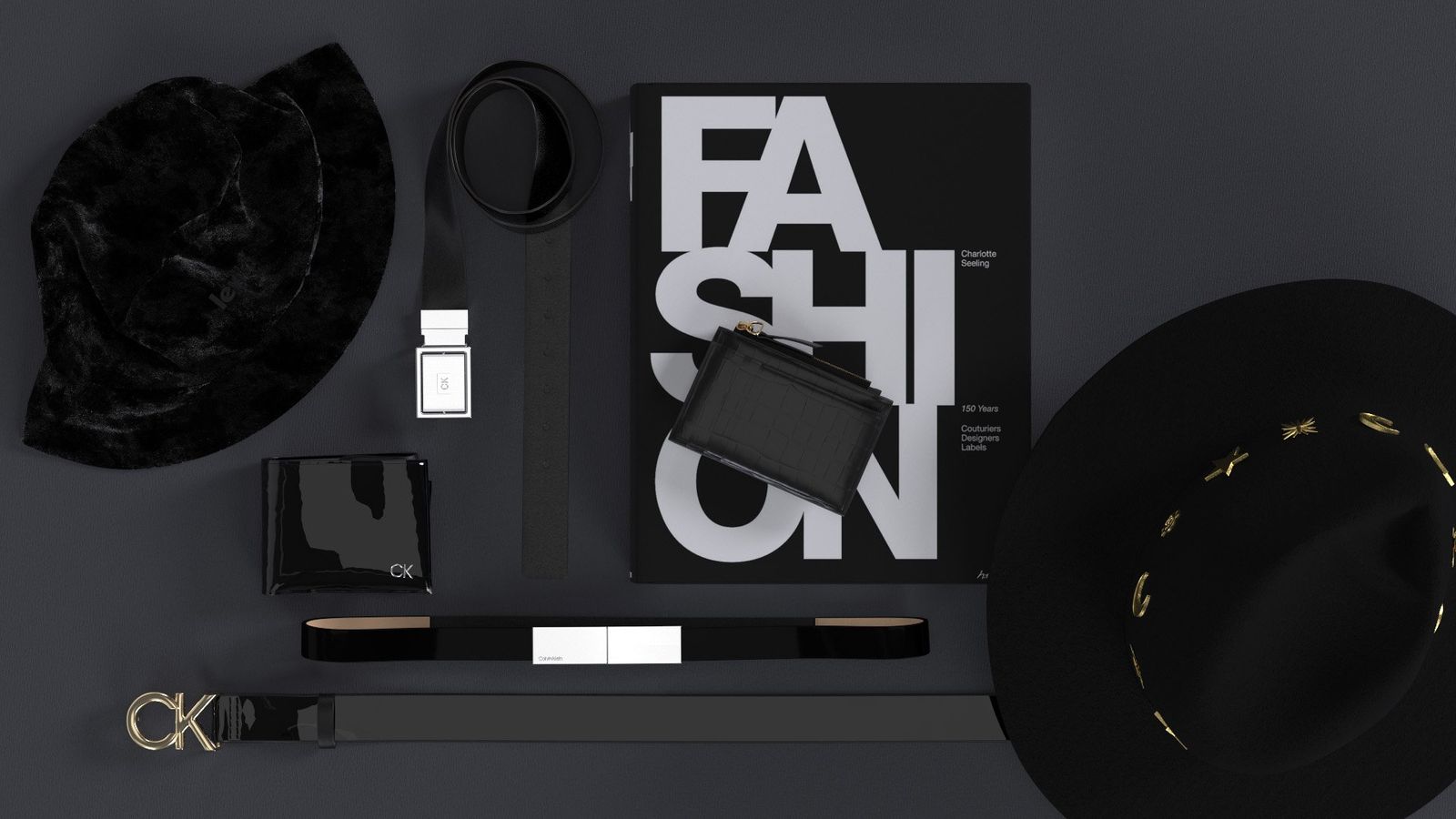
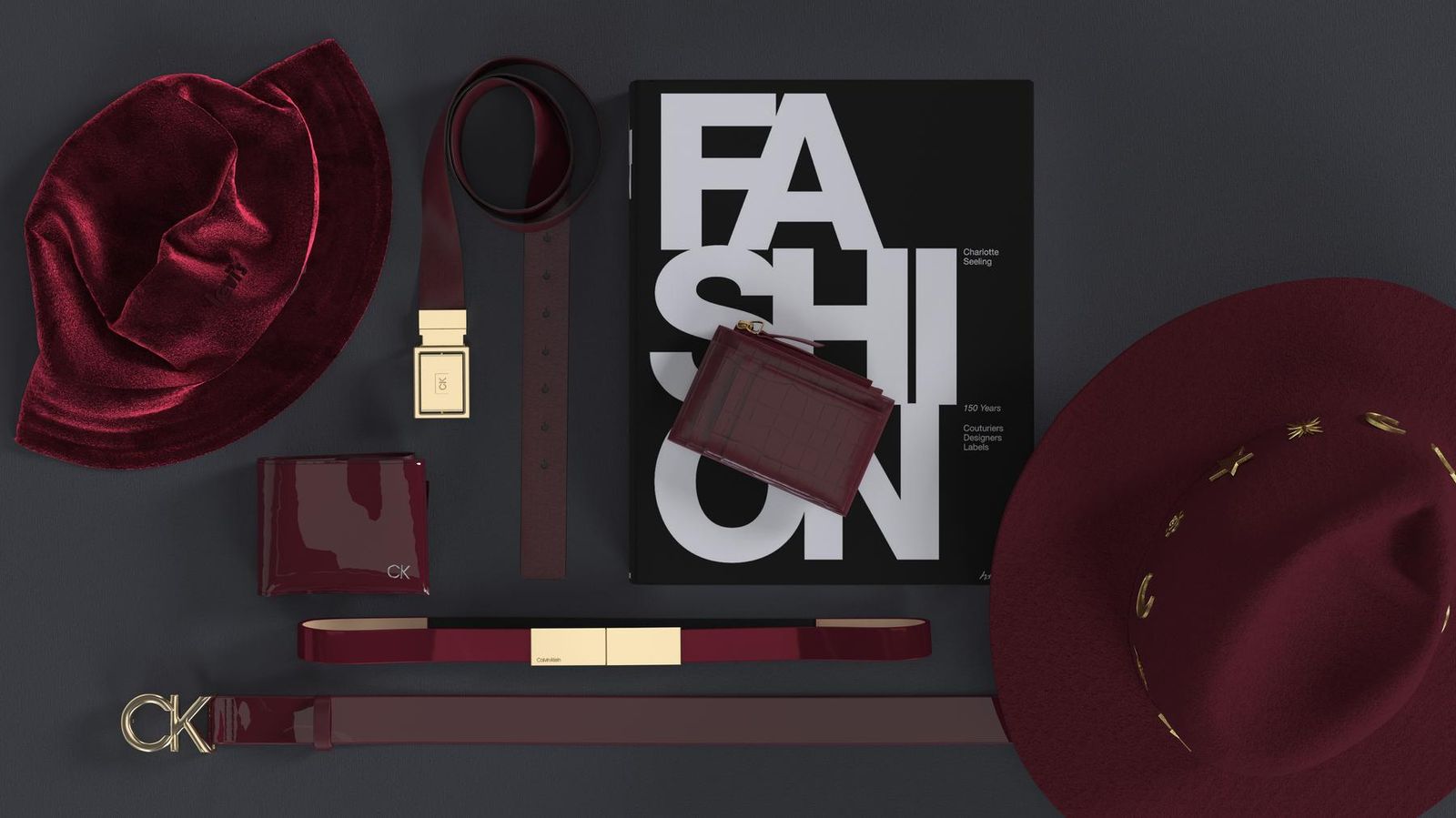
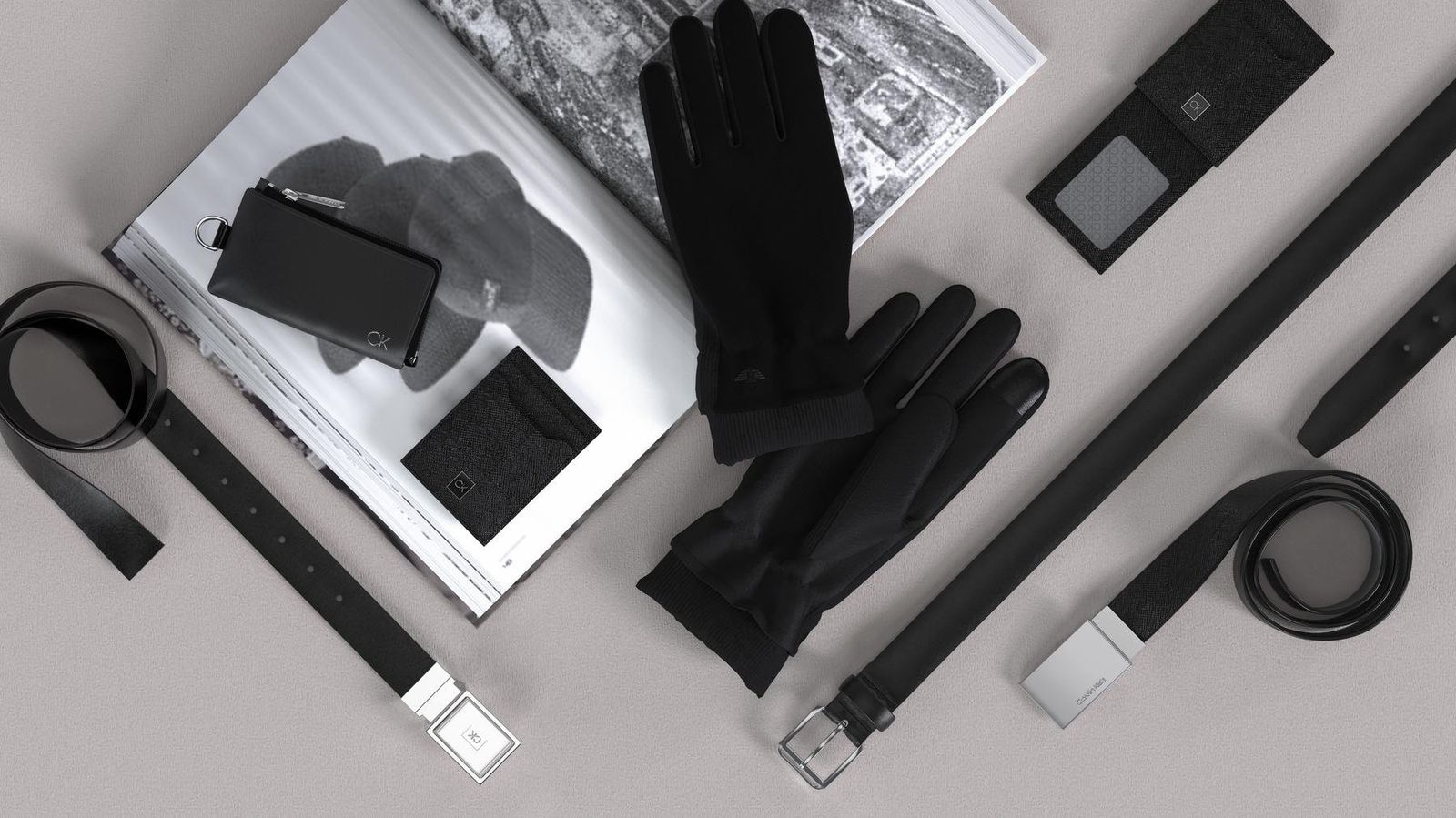
1/63D allowed us to group product together for management decks without expensive timely photoshoots.
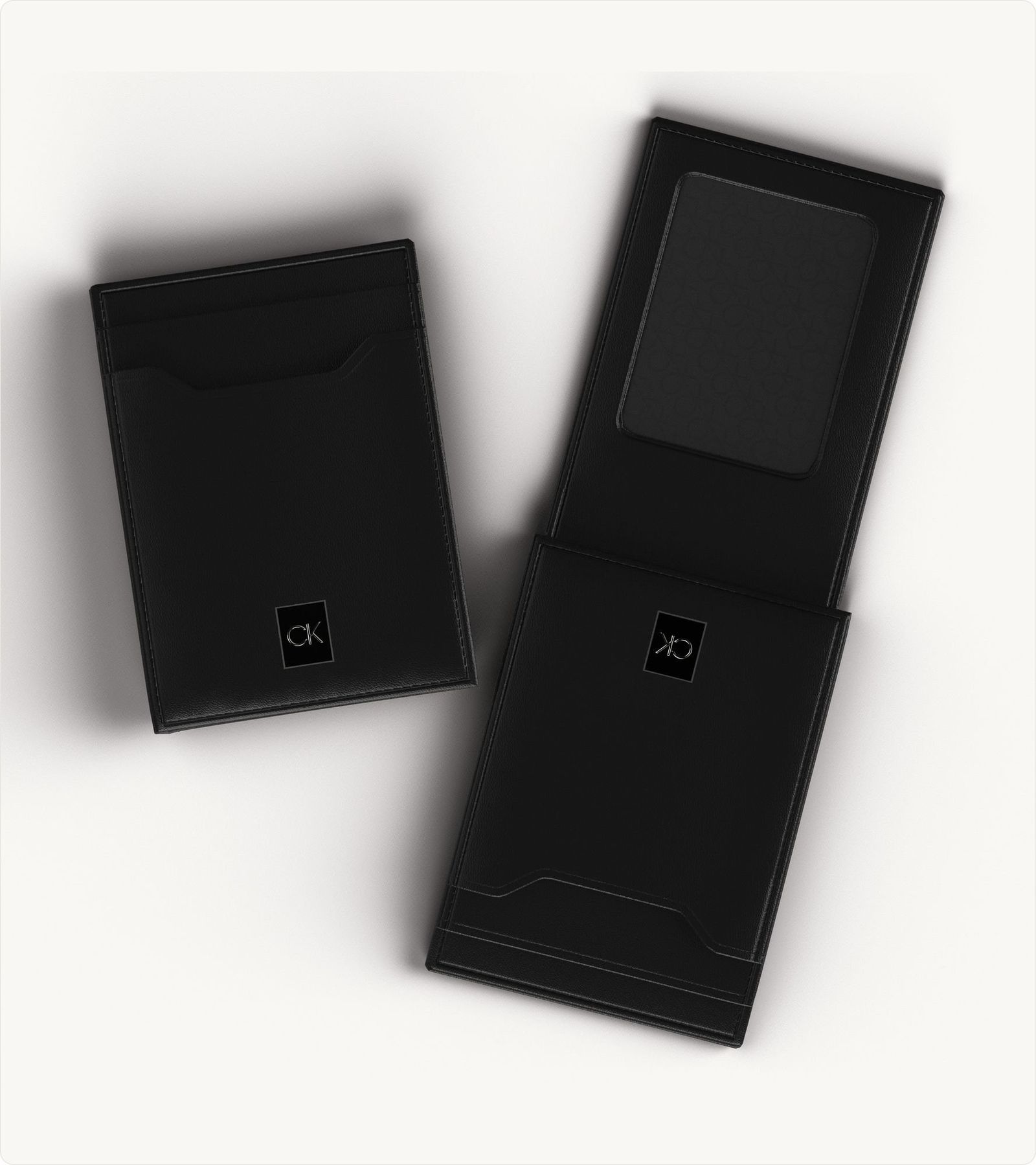
2/6CLO3D Rendering of Slim Wallets.
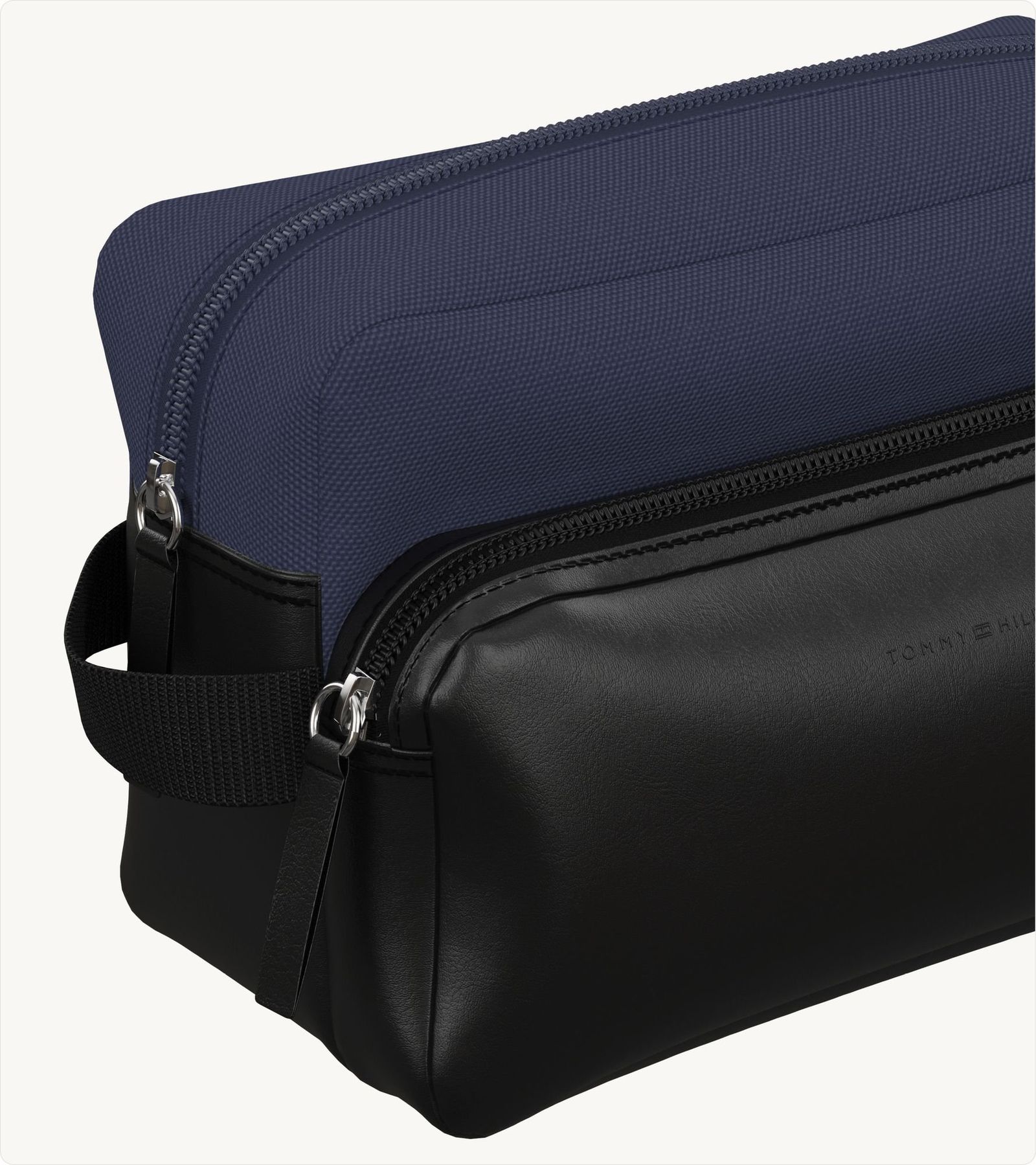
3/6CLO3D allowed us to have realistic material science with gravity to see how materials react together.
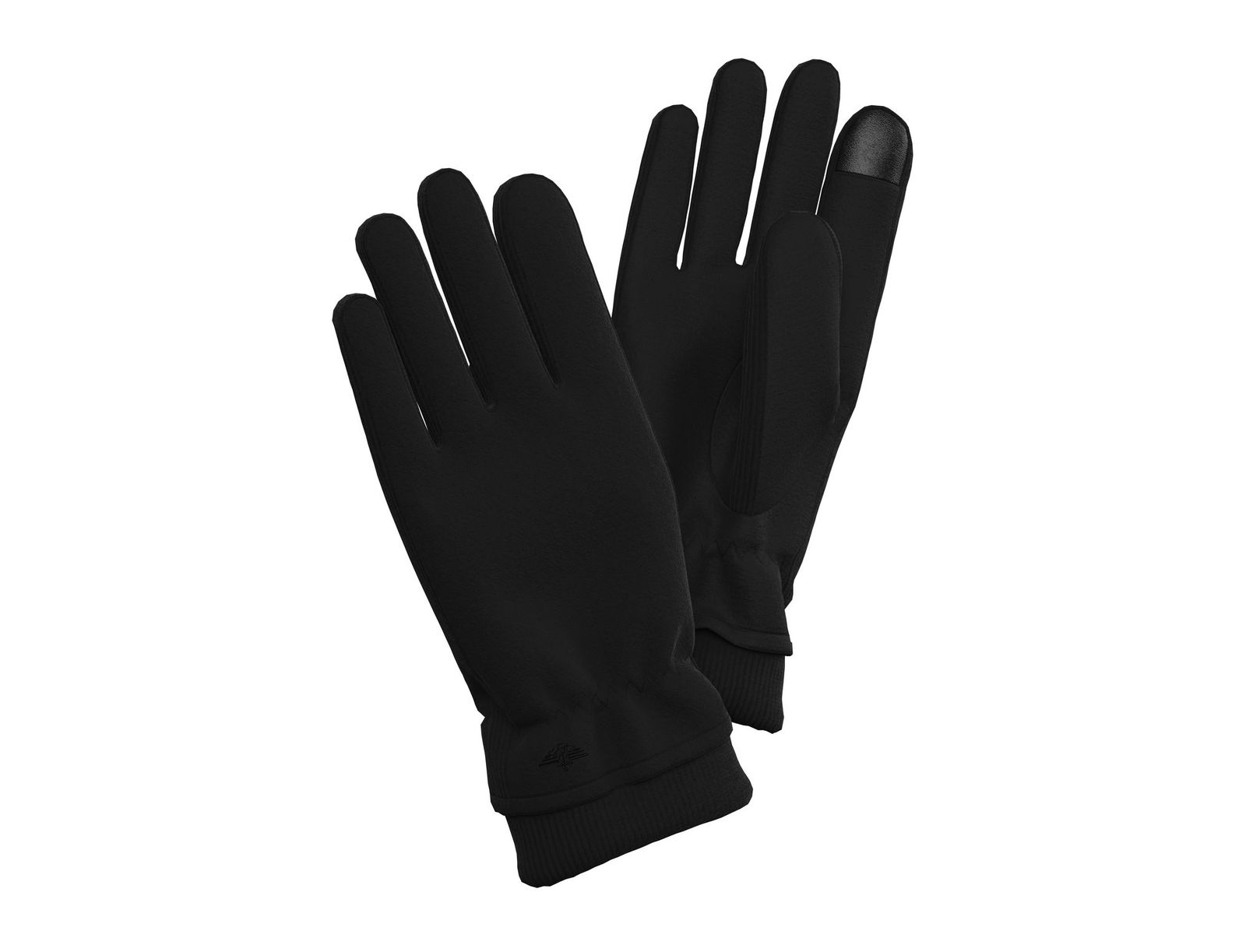
4/6Digital twins were created using 3D that could be used online as replacements for photography.
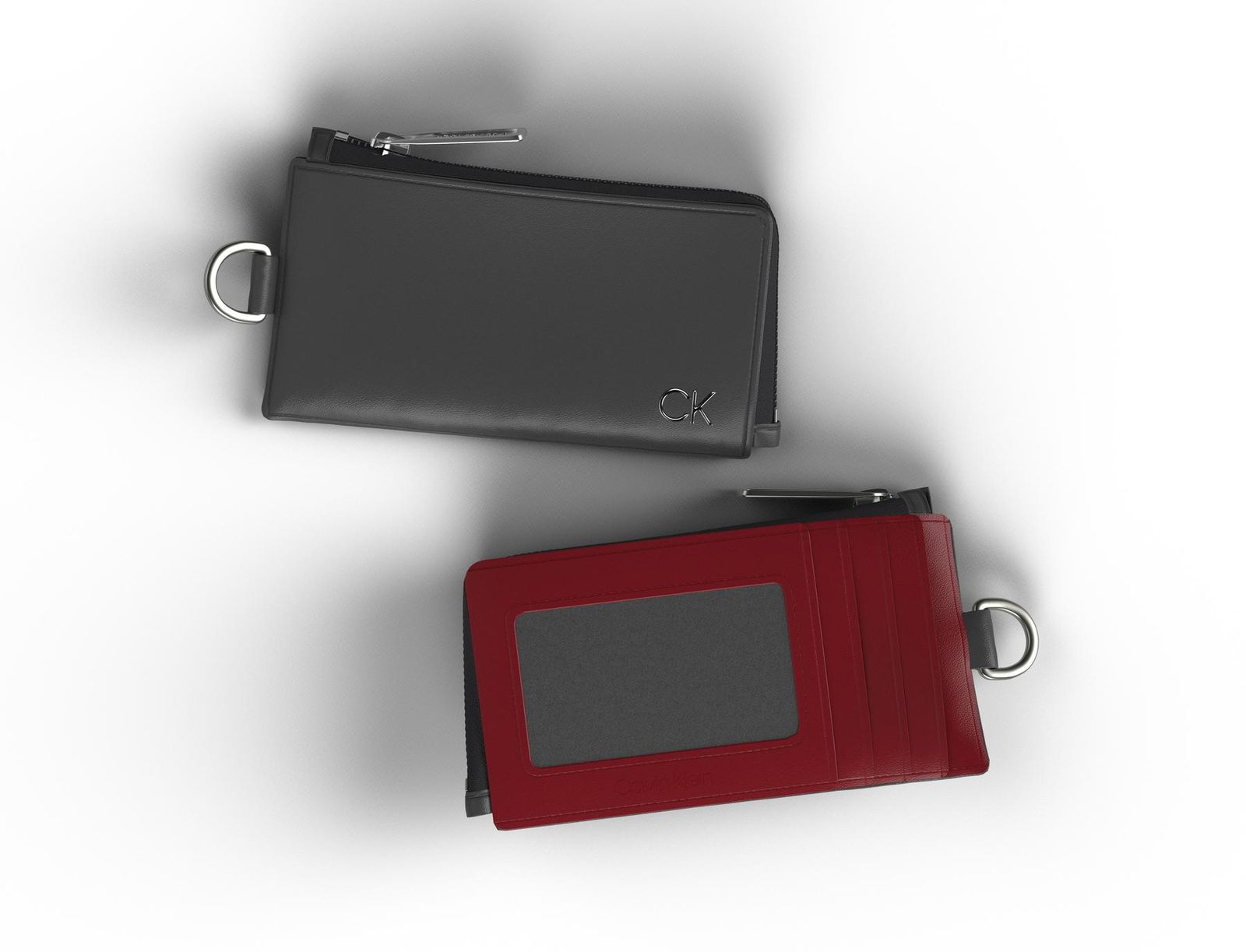
5/6Realistic mixed material renderings before going to sample phase.
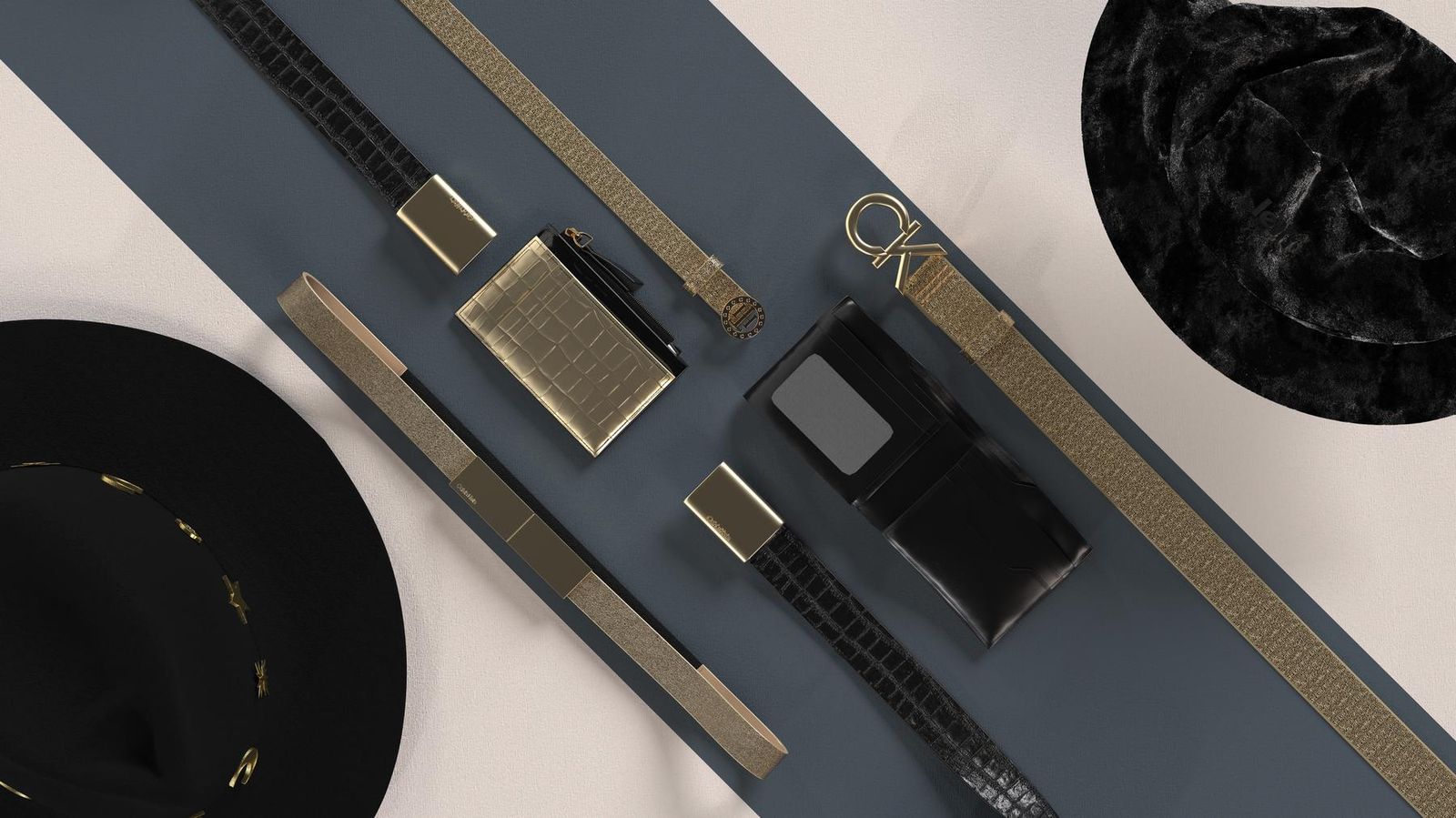
6/6Cohesive material rendering for optimal visuals.
What changed
Physical samples dropped 66%, which meant fewer materials ordered, fewer prototypes shipped overseas and a lighter development footprint. Speed to market improved 35%, two weeks came out of the development cycle, and 75% of approvals moved to digital.
MethodHow it was measured
Before and after on the same programs: sample counts, calendar dates and approvals in 3D, compared with earlier seasons run the standard way.
The rollout also fed into the sustainability work I led as Product Group Lead on RAA’s ESG Committee, and it set up the playbook I later used when leading the design team into AI.