Setting Wallet Strategy for a Nine-Brand Portfolio
Rebuilding the strategy for a category everyone assumed was dying, across nine licensed brands. Researched, written and built as a website with AI in one to two weeks.
Built with AIClaude and Gemini for research, competitor mapping, copy and the site build. See how
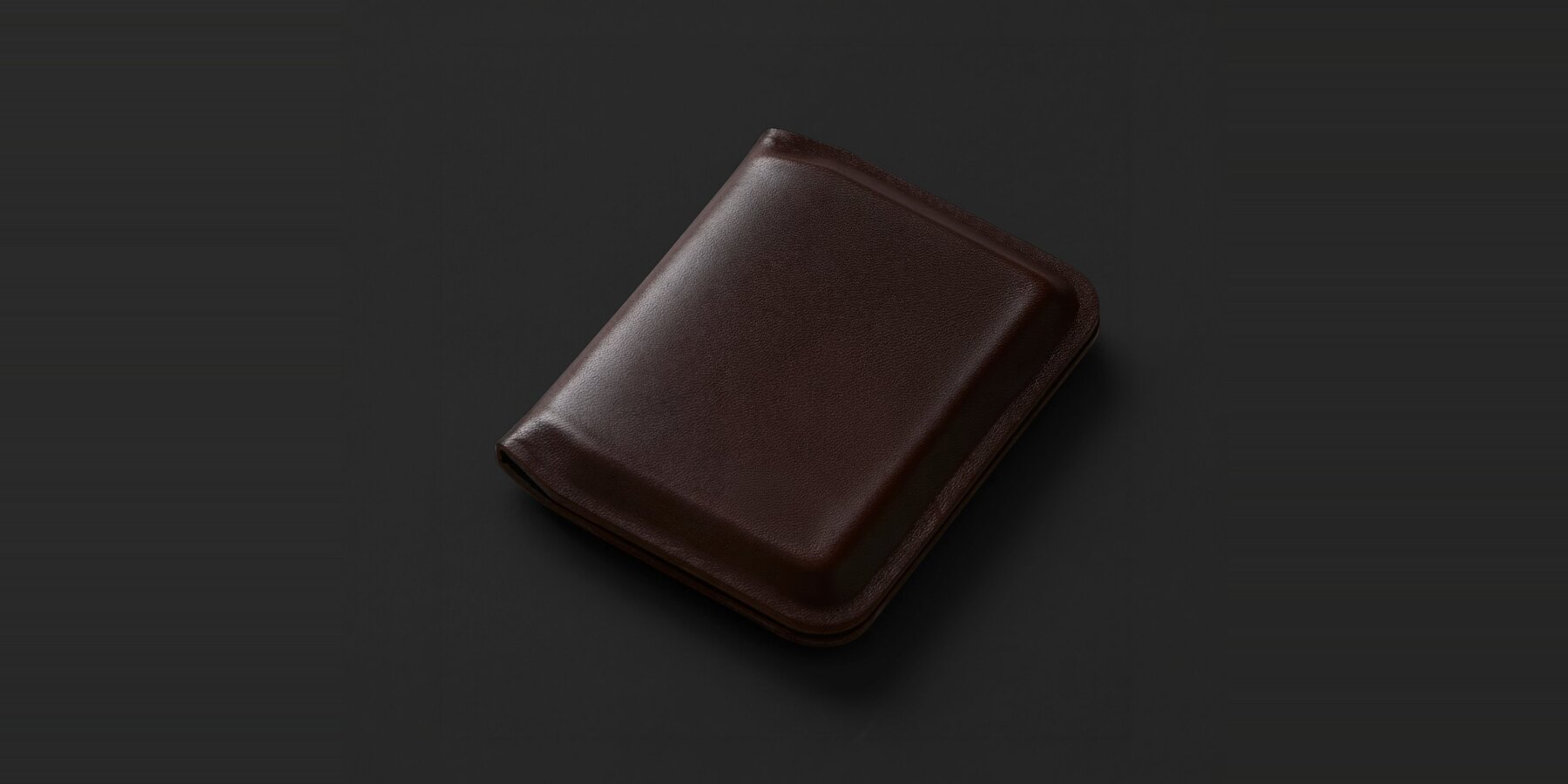
Role
Senior Design Director, self-initiated
Scope
Men’s wallets, nine licensed brands
Year
2026, for Fall 2027
Brands








At a glance
Challenge
Planning had written wallets off as a dying category across nine licensed brands, and nobody had checked.
What I did
Tested the data, rebuilt the line as a five-part carry ladder, and set a price ladder for each brand. Researched and built as a website with AI in one to two weeks.
Result
Kohl’sNon-branded MagSafe program secured, plus a push to refresh wallets across the brands.
A category everyone assumed was dying
Nobody asked me to do this. The planning conversation around wallets had quietly become a conversation about decline, and that assumption was shaping decisions across nine brands.
The logic sounded reasonable: payments went digital, so wallets must be going away. Nobody had checked, so I set out to answer three questions. Is the wallet disappearing? If not, what is it becoming? And what should each of our nine licensed brands do about it?
The wallet is not emptying. It is thinning.
The data did not support the decline story at all. Cash has held flat at roughly 14 percent of payments for two years running, and only 18 percent of mobile wallet users expect to stop carrying a physical wallet.
The real question was identification. Twenty-one states and Puerto Rico issue a mobile driver’s licence, but zero states let you legally leave the plastic card at home, and only 7 percent of eligible drivers have enrolled. The licence is the last thing the phone cannot take. We are not competing with the phone. We are competing with thickness.
14%
Cash share of payments, flat two years
0
States where the phone replaces the card
7%
Of drivers enrolled in mobile ID
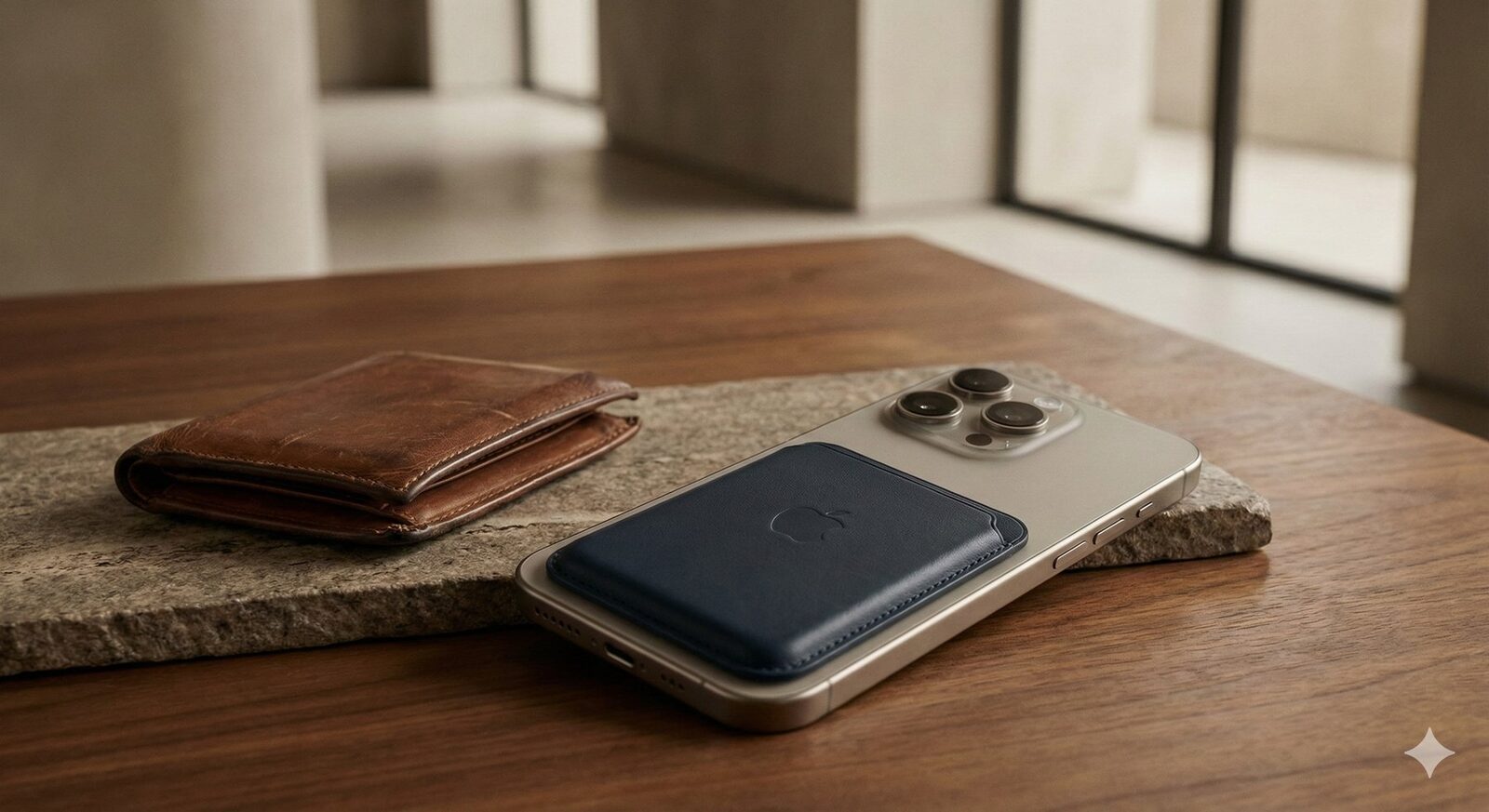
Carry right, not carry less
If the wallet is thinning rather than vanishing, the line should be organised by how much a customer actually carries. It was not. It was organised by construction name, which is a manufacturing idea rather than a shopping one.
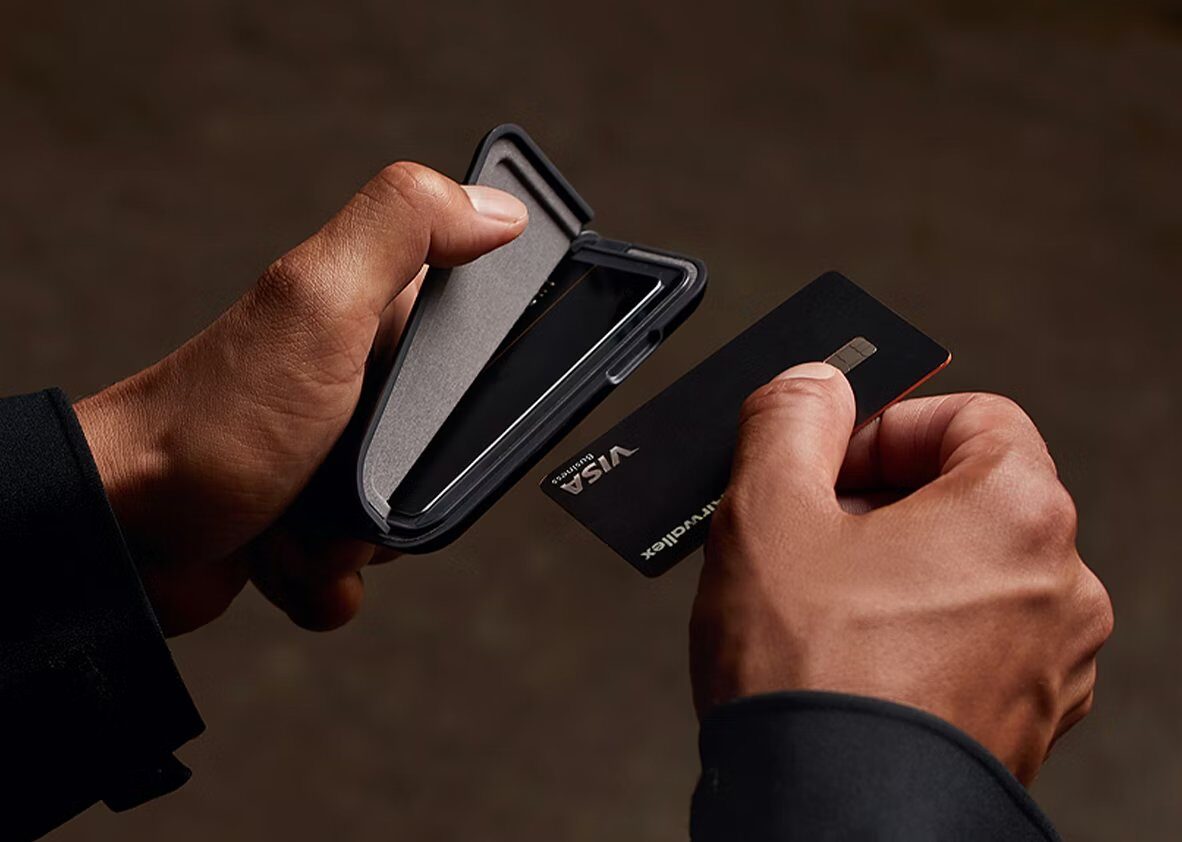
I rebuilt the category as a five-part carry ladder, from full carry down to a card holder that attaches to a phone. The question for each brand became which rungs it has permission to stand on.
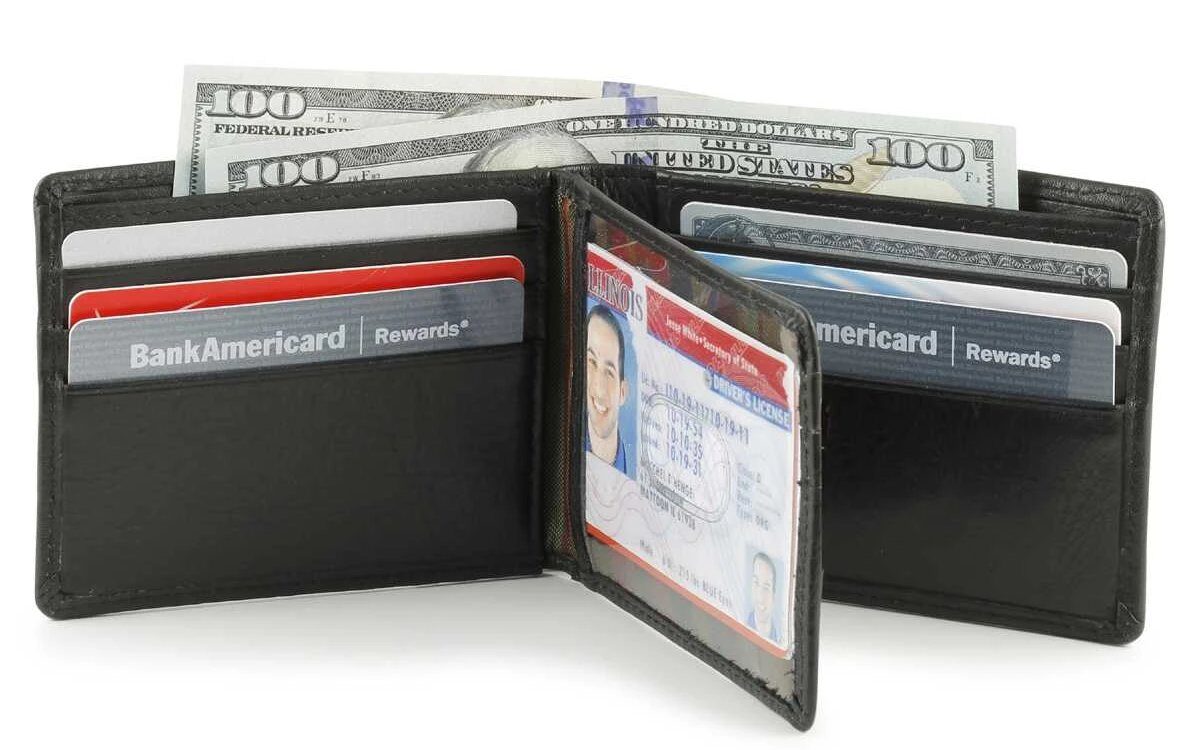
1/5Extra Capacity. Six or more cards, a bill compartment and zip pockets, for the customer who carries everything.
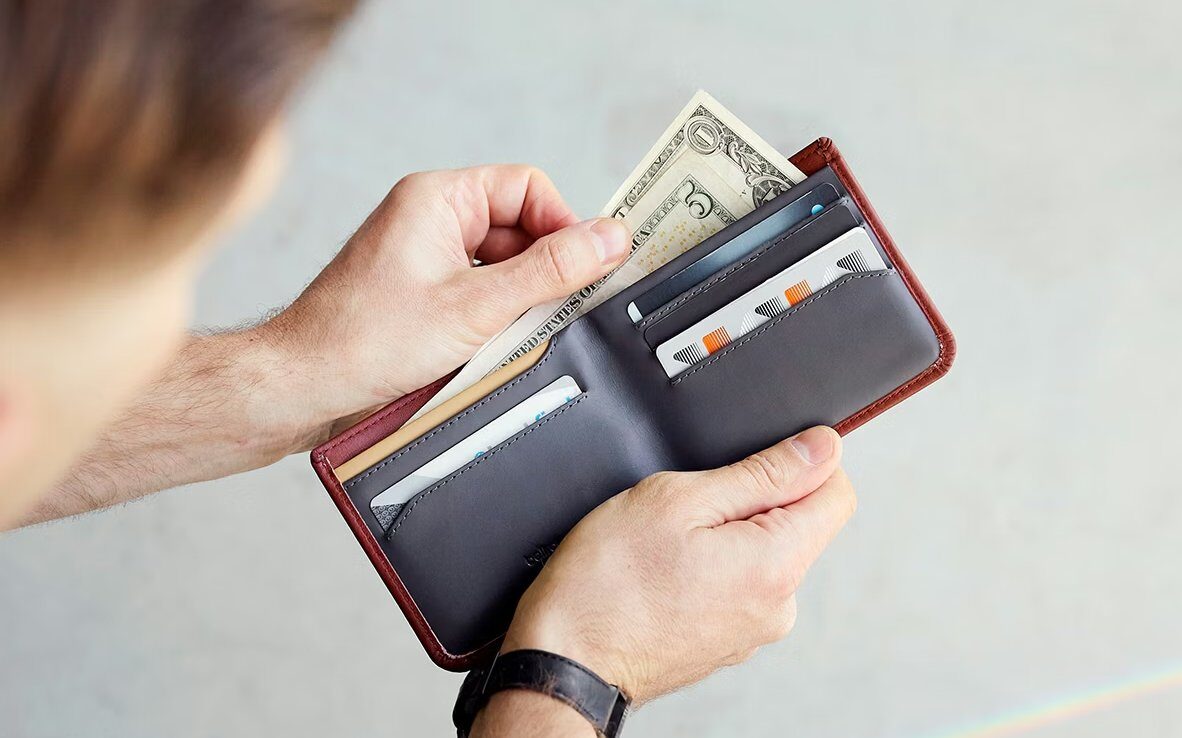
2/5New Classic. The bifold and trifold slimmed down and upgraded. Six to nine cards, card ejector, magnet closure.
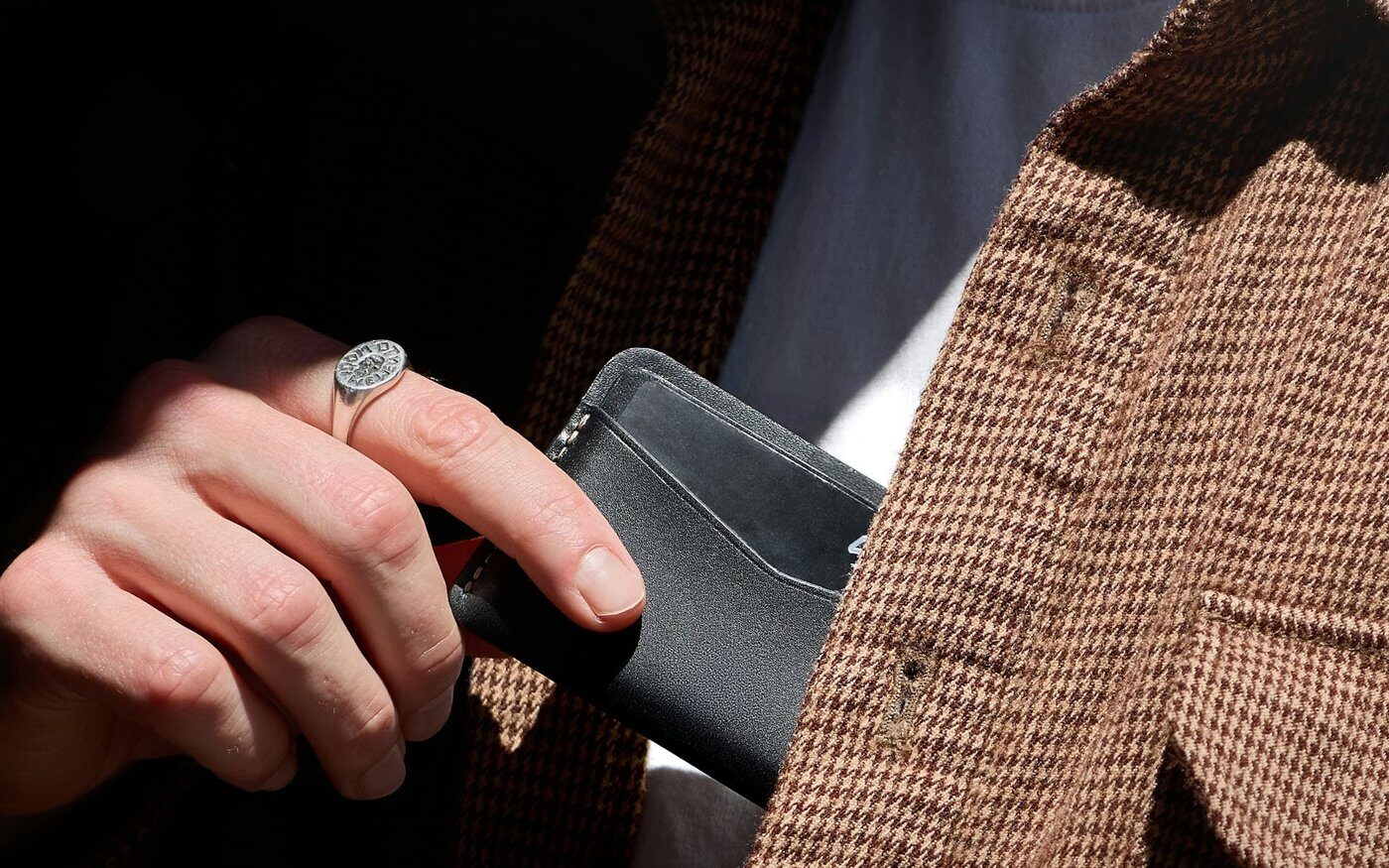
3/5Front Pocket. Four to six cards and a few folded bills, built to ride in a front pocket or on a money clip.
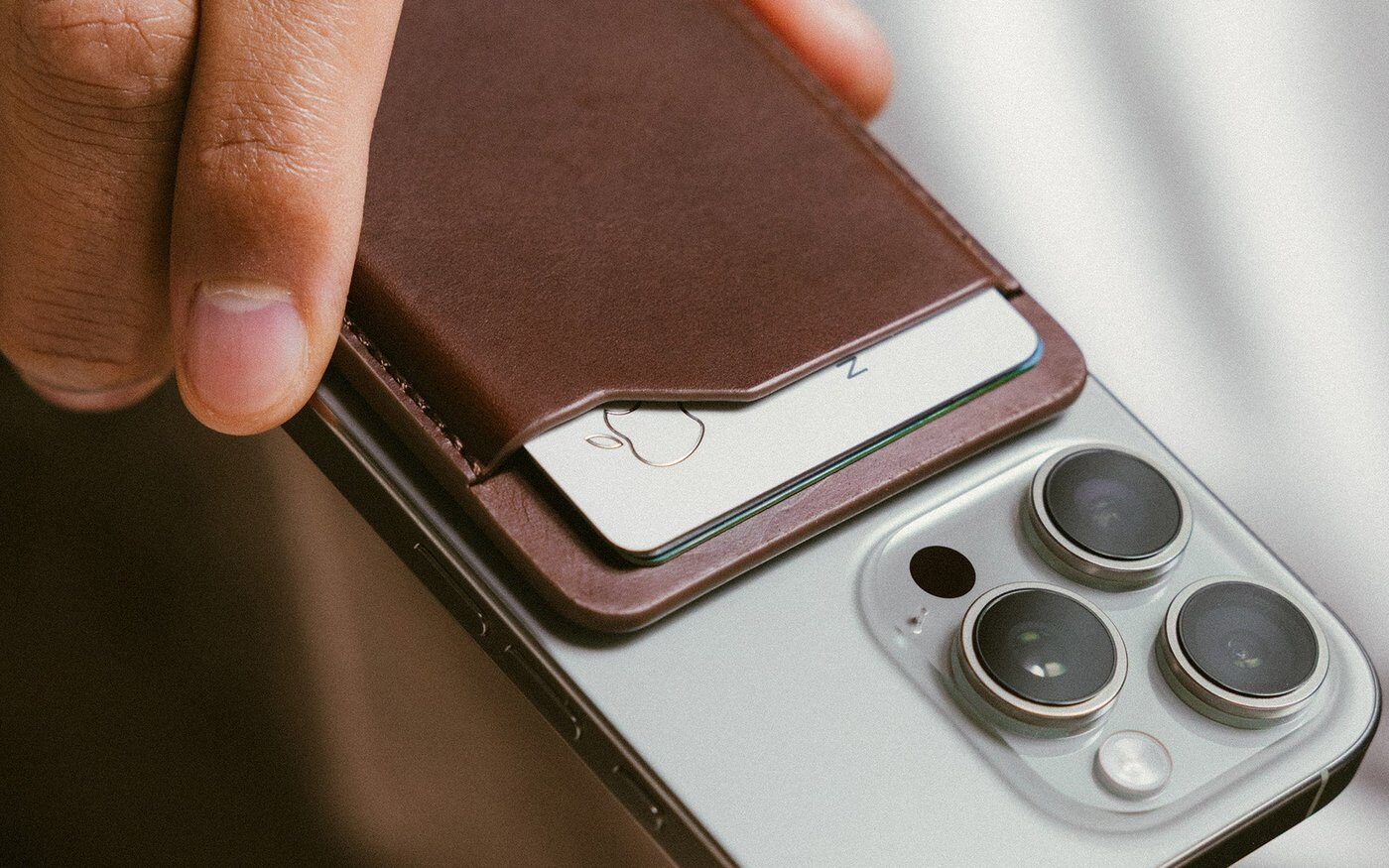
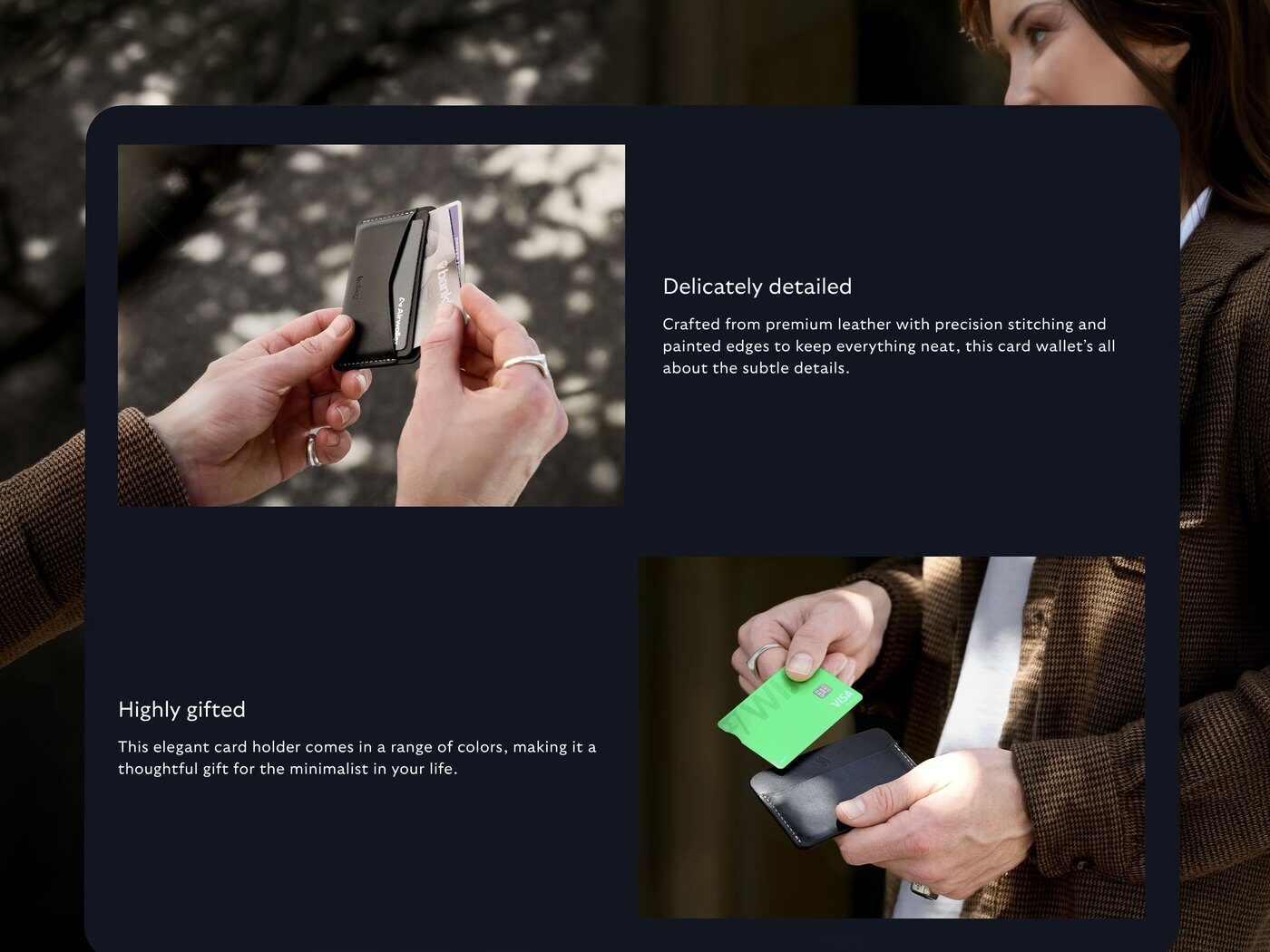
4/5Phone Companion. Two to four cards attached to the phone. Cash optional, not required.

5/5Gift and Special. A presentation layer rather than a carry type. Any wallet above, built around the box.
It is not about carrying less. It is about carrying right.
On the carry ladder
Different doors, different fights
We were benchmarking against the brands hanging beside us and nothing else. That covered about a quarter of the problem.
I mapped four separate competitive sets.
| Competitive set | Price | Examples |
|---|---|---|
| Licensed brands on our fixture | $46 to $185 | Fossil, Michael Kors |
| Retailer private label | $18 to $50 | Goodfellow at Target, Sonoma at Kohl’s |
| Slim specialist direct-to-consumer | $65 to $195 | Ridge, Bellroy, Ekster, Secrid |
| Phone accessory aisle | $11 to $150 | MagSafe card holders |
The phone aisle was the set nobody was counting, and it mattered most. A 30 dollar MagSafe card holder twenty feet away sets the price a customer has in mind before they reach our wall. Our licensed mid band, 42 to 54.50 dollars, was squeezed from below by private label and from above by specialists offering a lifetime warranty.
Brand sets the floor, construction sets the step
A category strategy is worth nothing until each brand knows what to do with it on Monday morning.
I placed the nine brands along one line from dress to outdoor, so no two compete for the same customer. Each brand’s role is in the slides below.
Then I found the problem that mattered most commercially. Six of the nine brands charged a single price across every construction, so a trifold and a slim front pocket rang up at the same number. We were telling the customer that construction has no value.
I laid out three ways to fix it and recommended one: the brand sets the price floor and the construction sets the step up from it. It keeps each brand in its lane and still puts a number on the work that goes into a thinner, better built wallet.
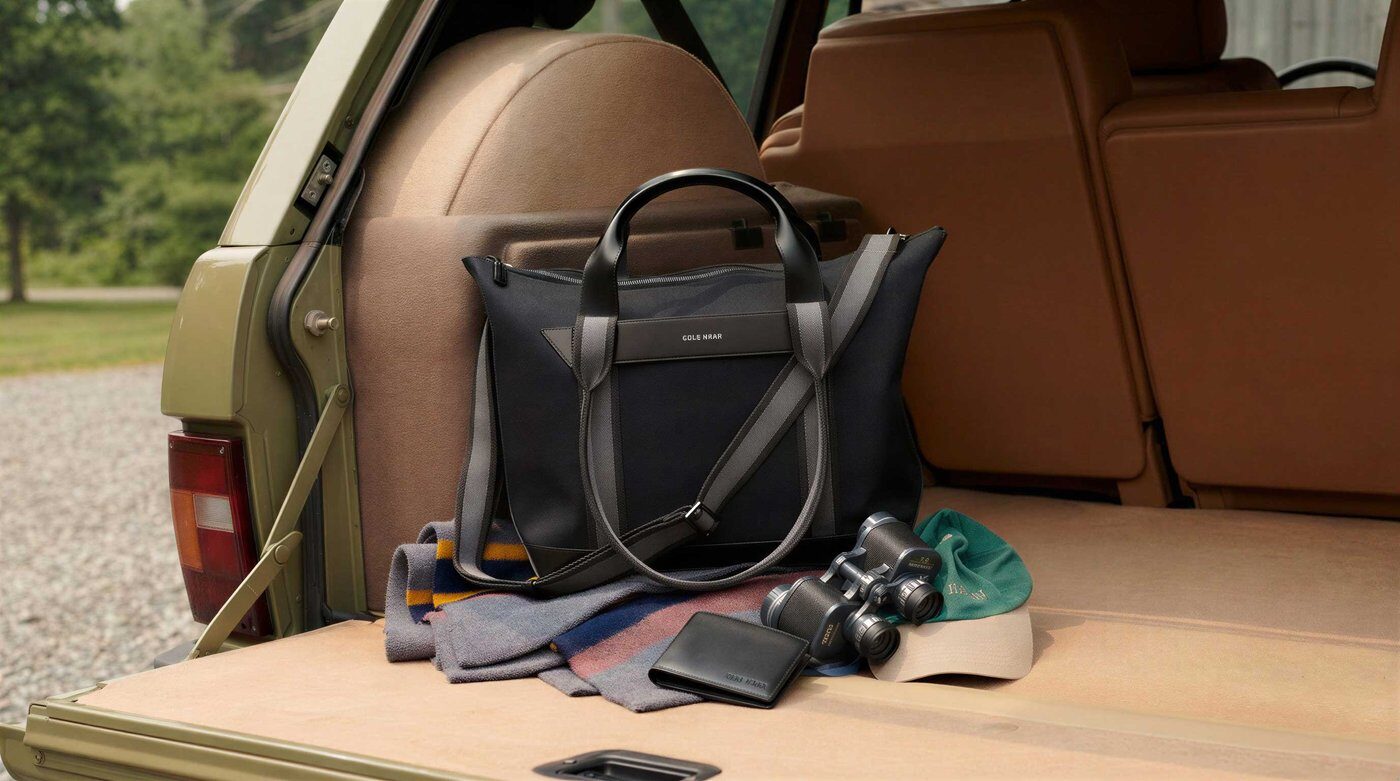
1/9Cole Haan. The halo brand that sets the quality ceiling for the portfolio.
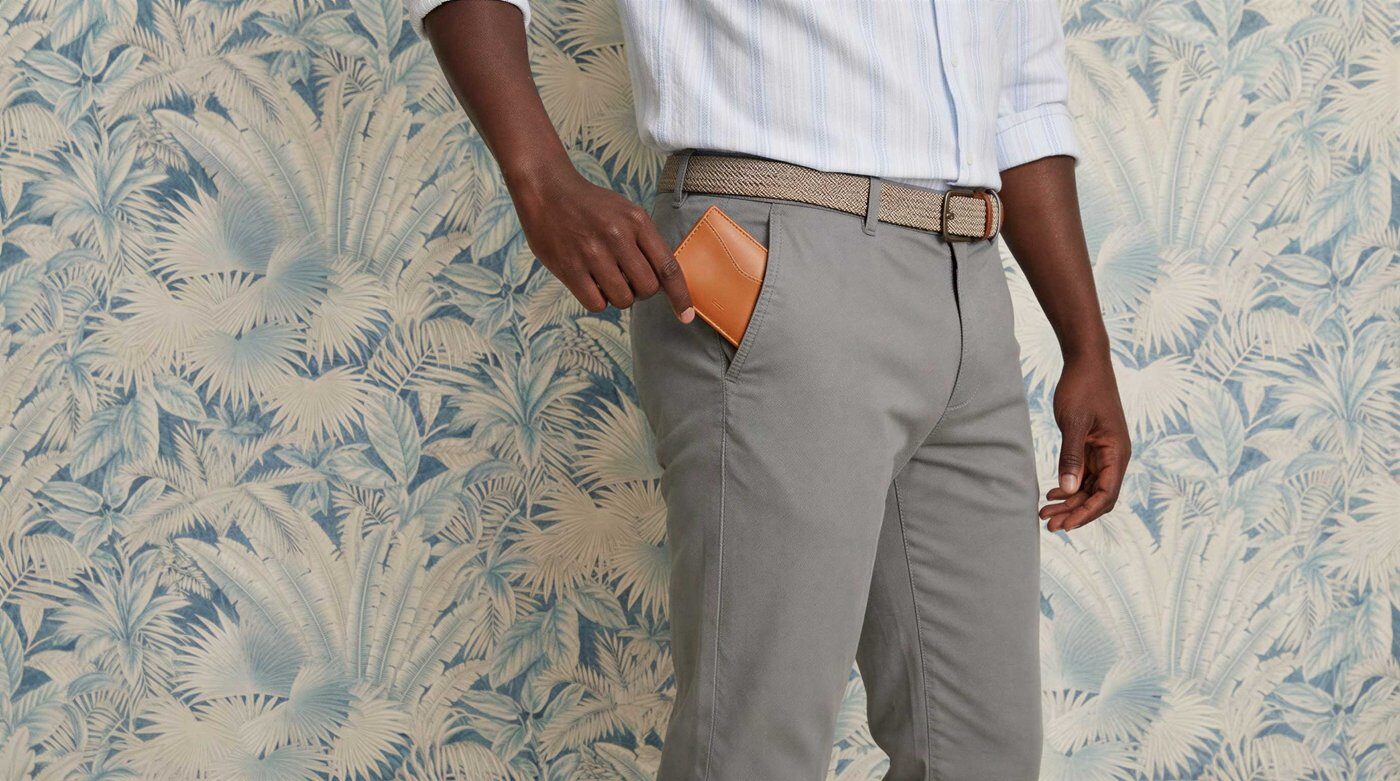
2/9Tommy Bahama. Highest average unit retail in the group. Quality without logos.
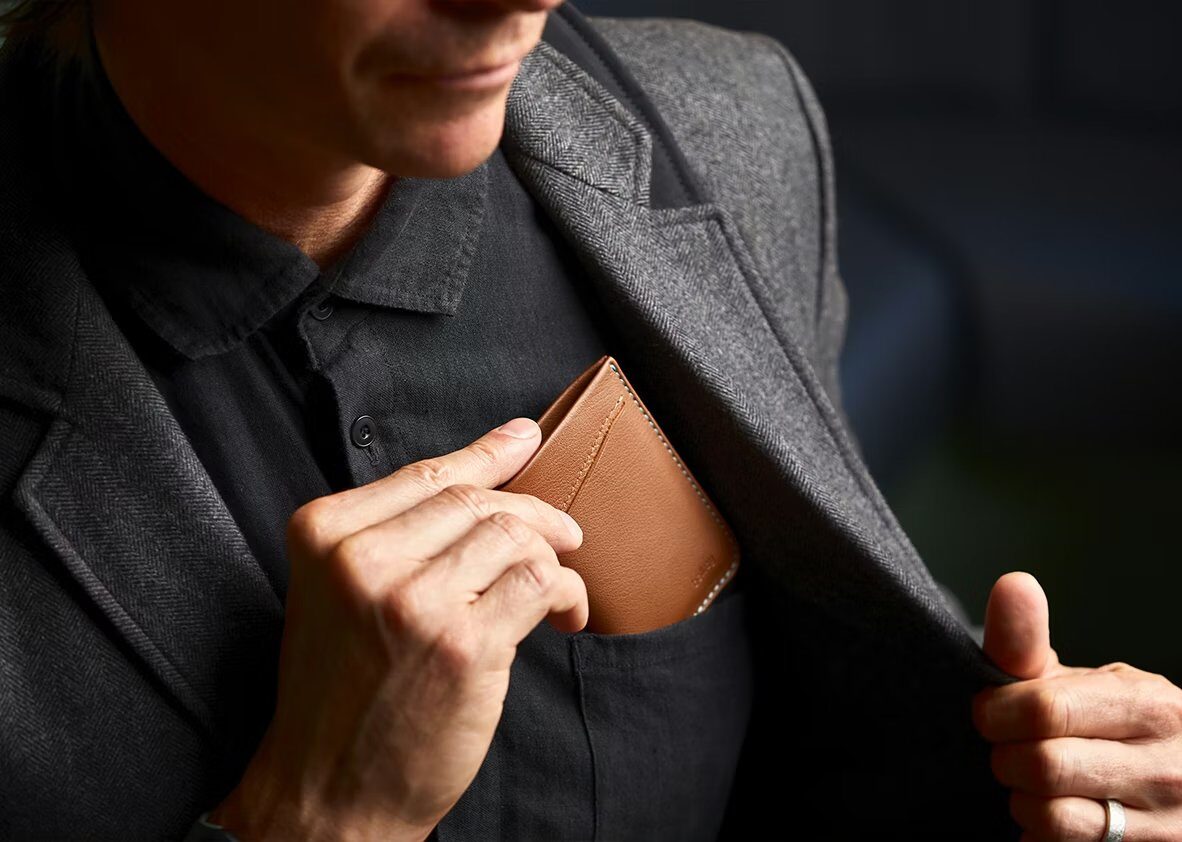
3/9Calvin Klein. Minimal and logo led. The mark is the product.
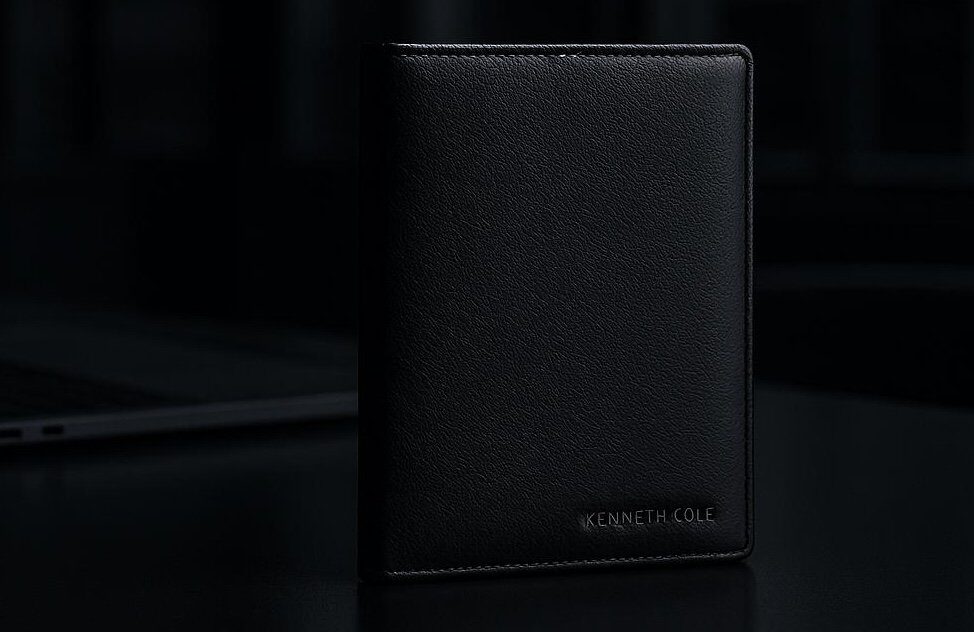
4/9Kenneth Cole. Engineered detail, and function you can demonstrate in three seconds.

5/9Tommy Hilfiger. The number one gift driver in the portfolio.
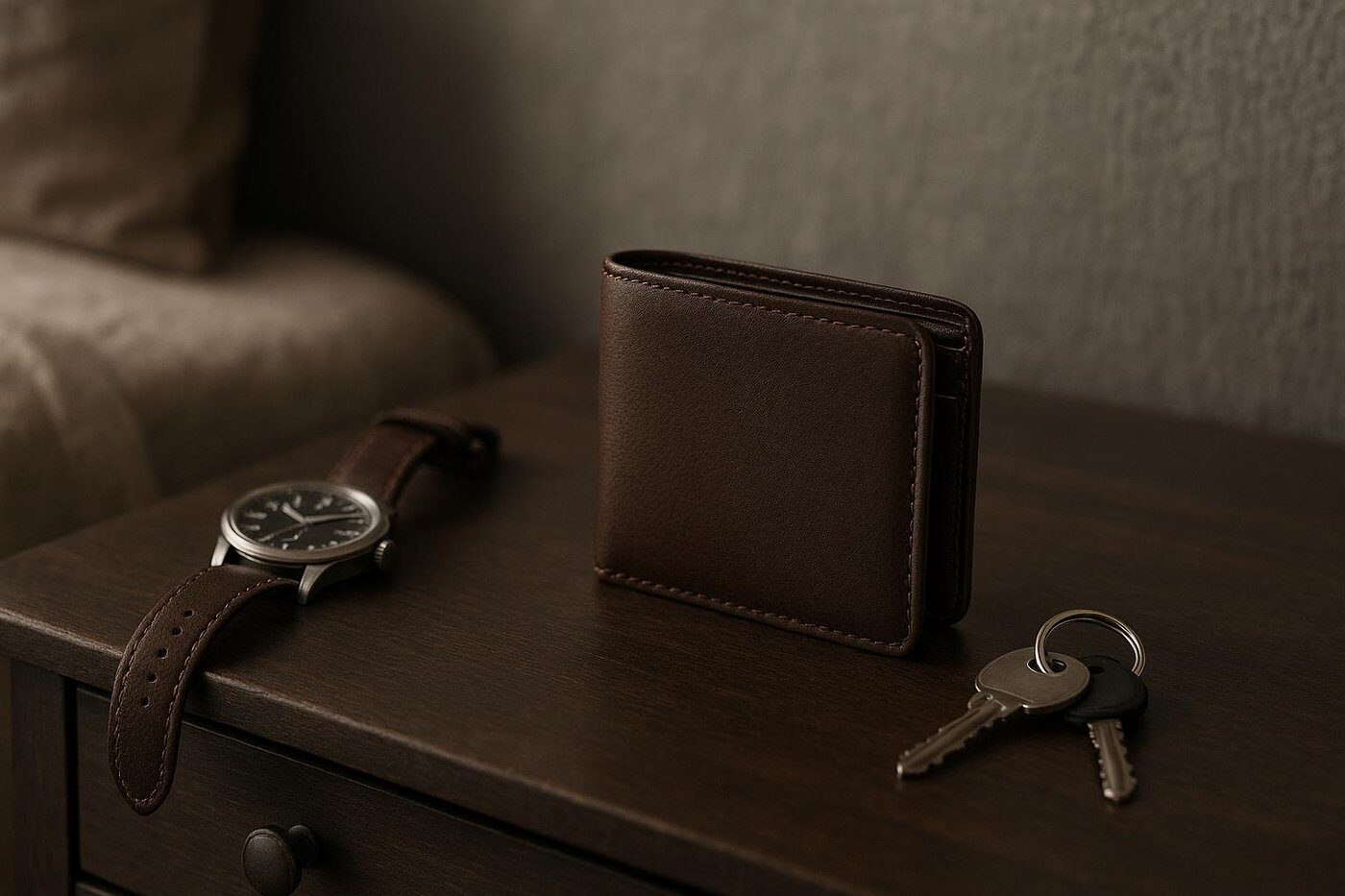
6/9Haggar. Entry dress. Elevated finish at a mid-tier price.

7/9Dockers. The khaki brand, under new ownership and due a casual reset.
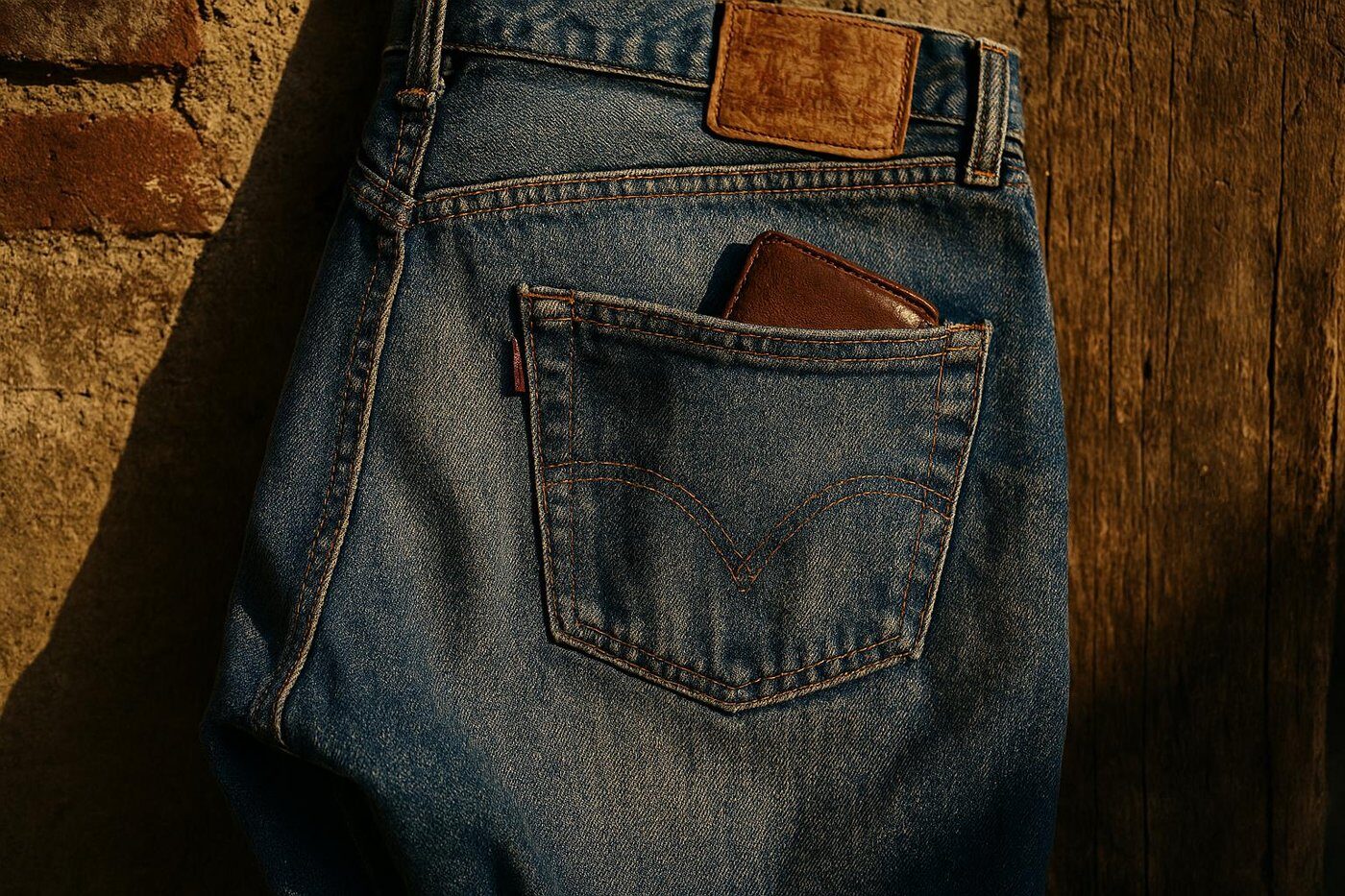
8/9Levi’s. Denim born and unpretentious, riding the western revival.
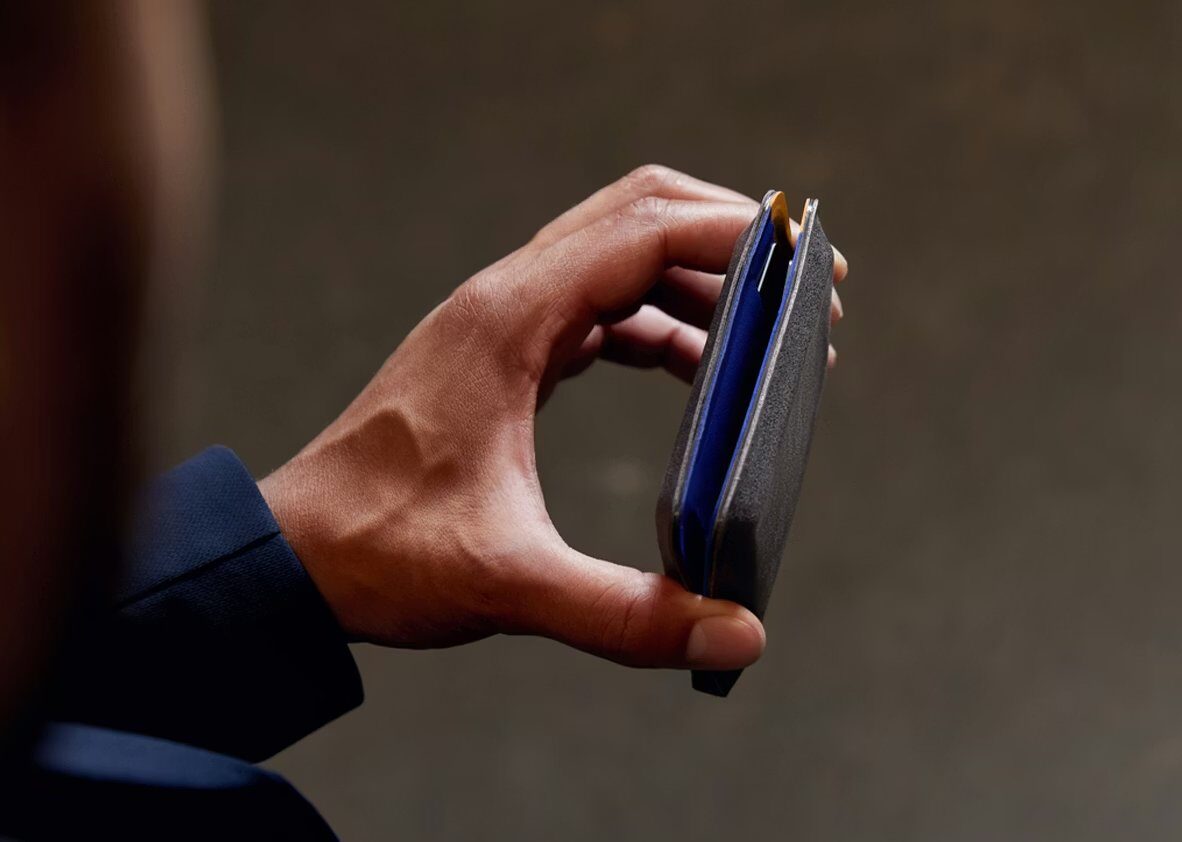
9/9Columbia. Tested tough. The only genuinely outdoor brand of the nine.
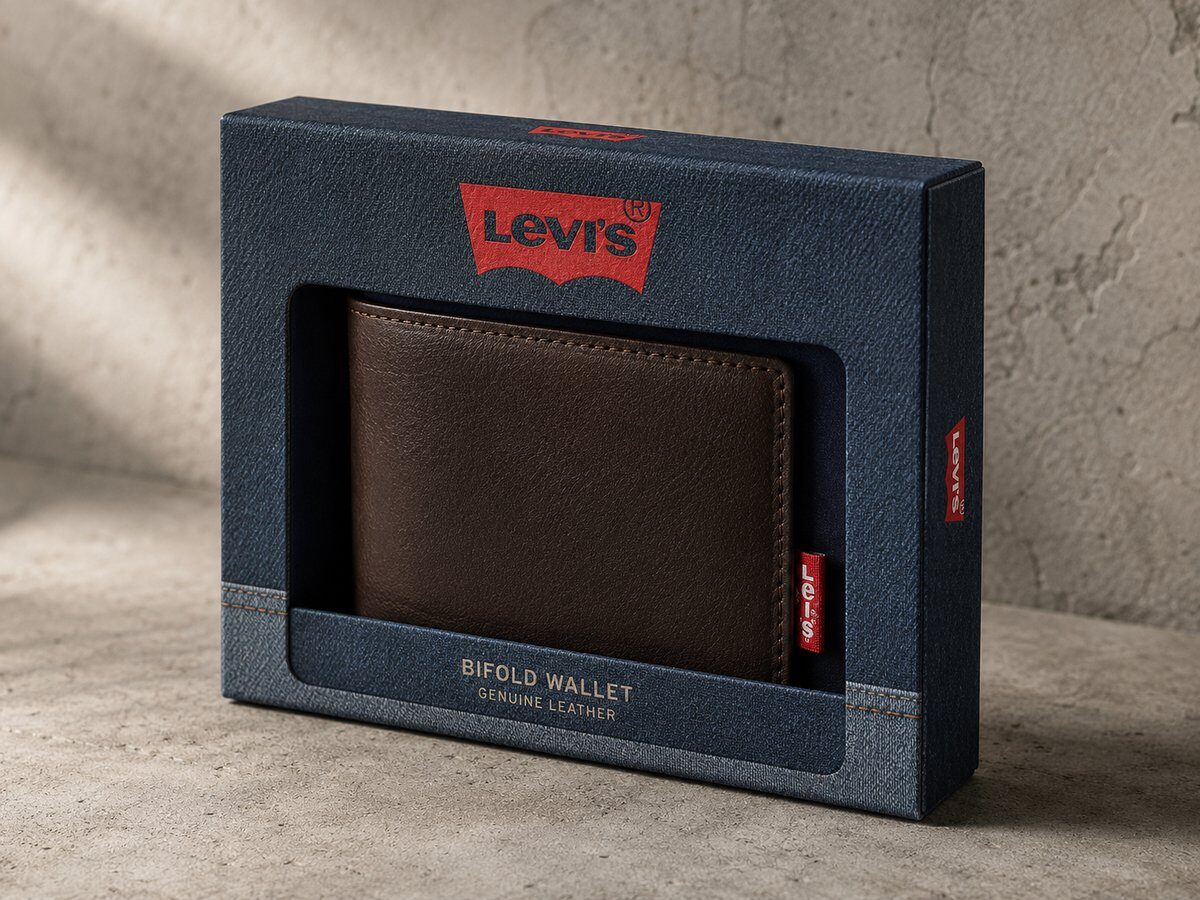
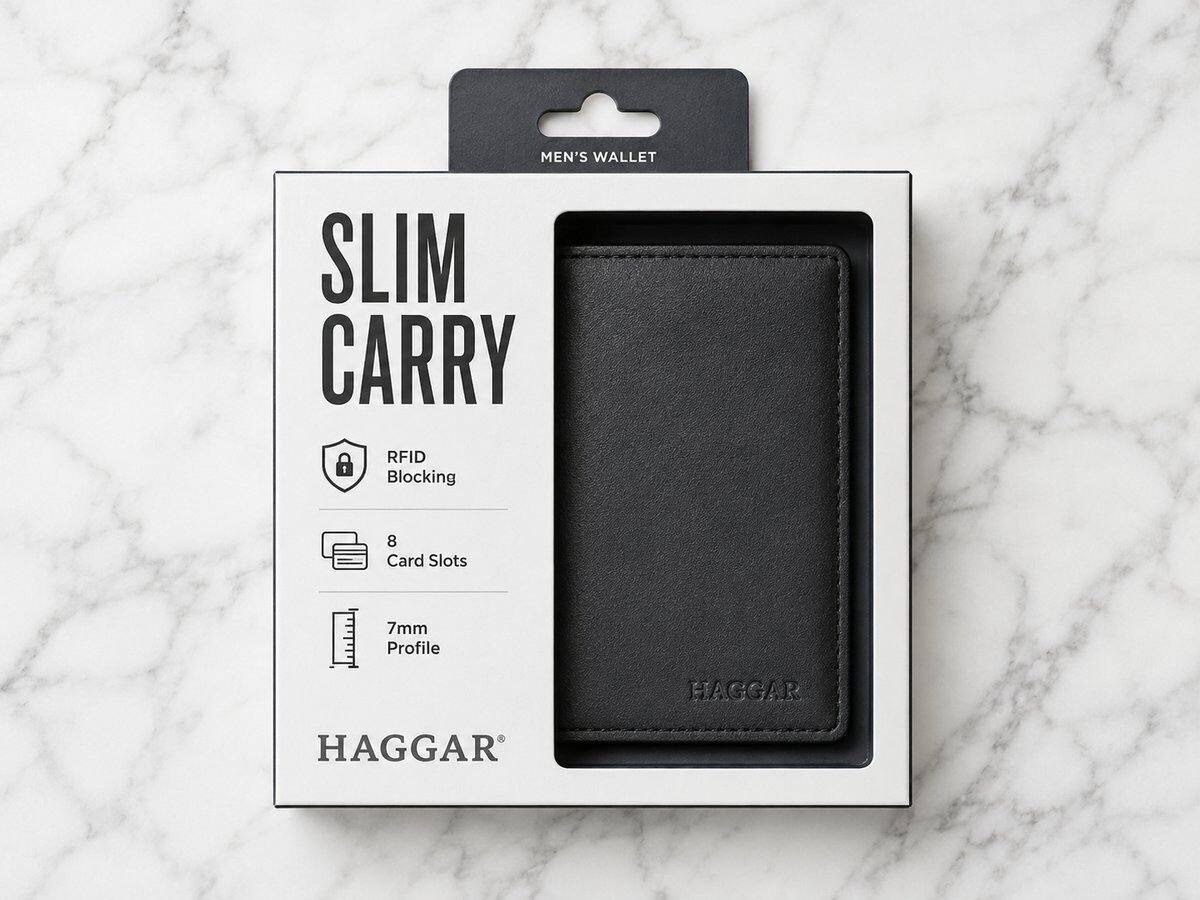
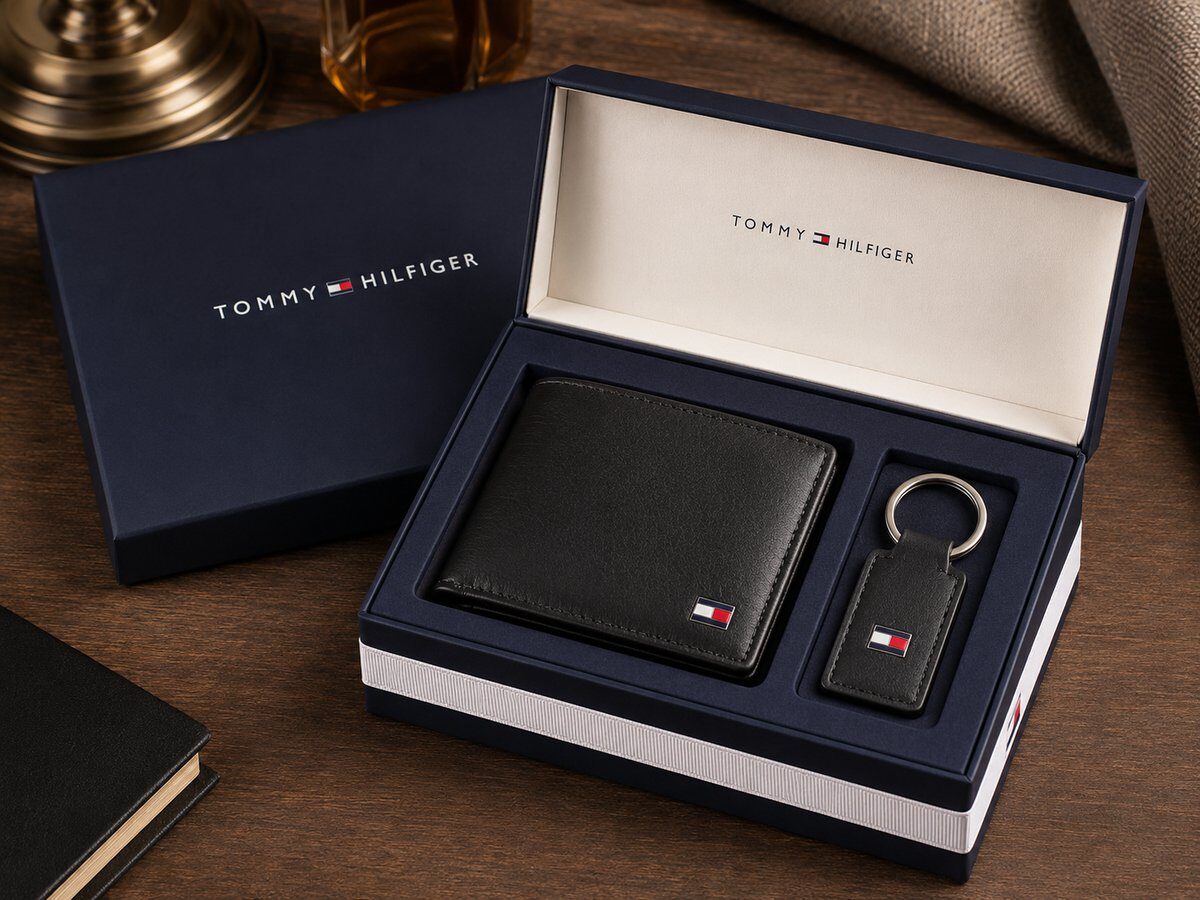
The package and the fixture are the sales pitch
Wallets are bought as gifts, and gifts are bought on a calendar. We were planning for one peak when there are clearly two.
Father’s Day was being treated as leftover Q4 stock. It needs its own floor set, built to the price band, with the boxed set as the format.
Our fixture also worked against the shopper. All product sat in closed boxes, so the customer had to open every item to evaluate it. There was no RFID callout, no card capacity and no slim profile claim, and product was arranged by brand rather than by how anyone shops.
Market detailThe gifting and in-store numbers behind it
Q4 starts earlier than the plan assumed. By early October, 42 percent of holiday shoppers have already started, and on the Saturday before Christmas 158.9 million shoppers are in stores. Father’s Day grew 13.6 percent to a record 27.9 billion dollars, 77 percent of people celebrate it, and 58 percent buy clothing.
Roughly 82 percent of purchase decisions are made inside the store, optimising display location lifts revenue by about 11 percent, and 72 percent of adults say packaging design influences what they buy.
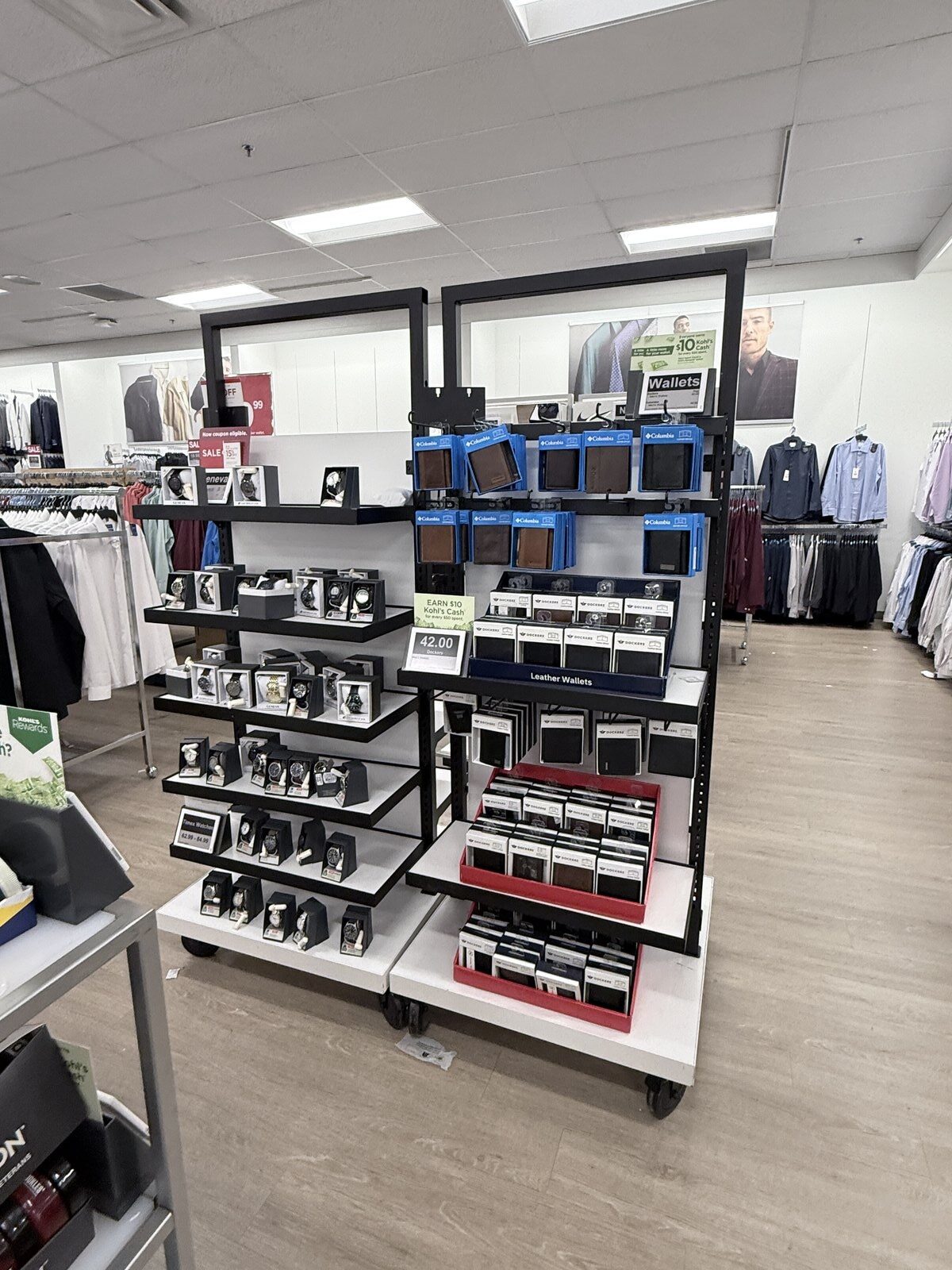
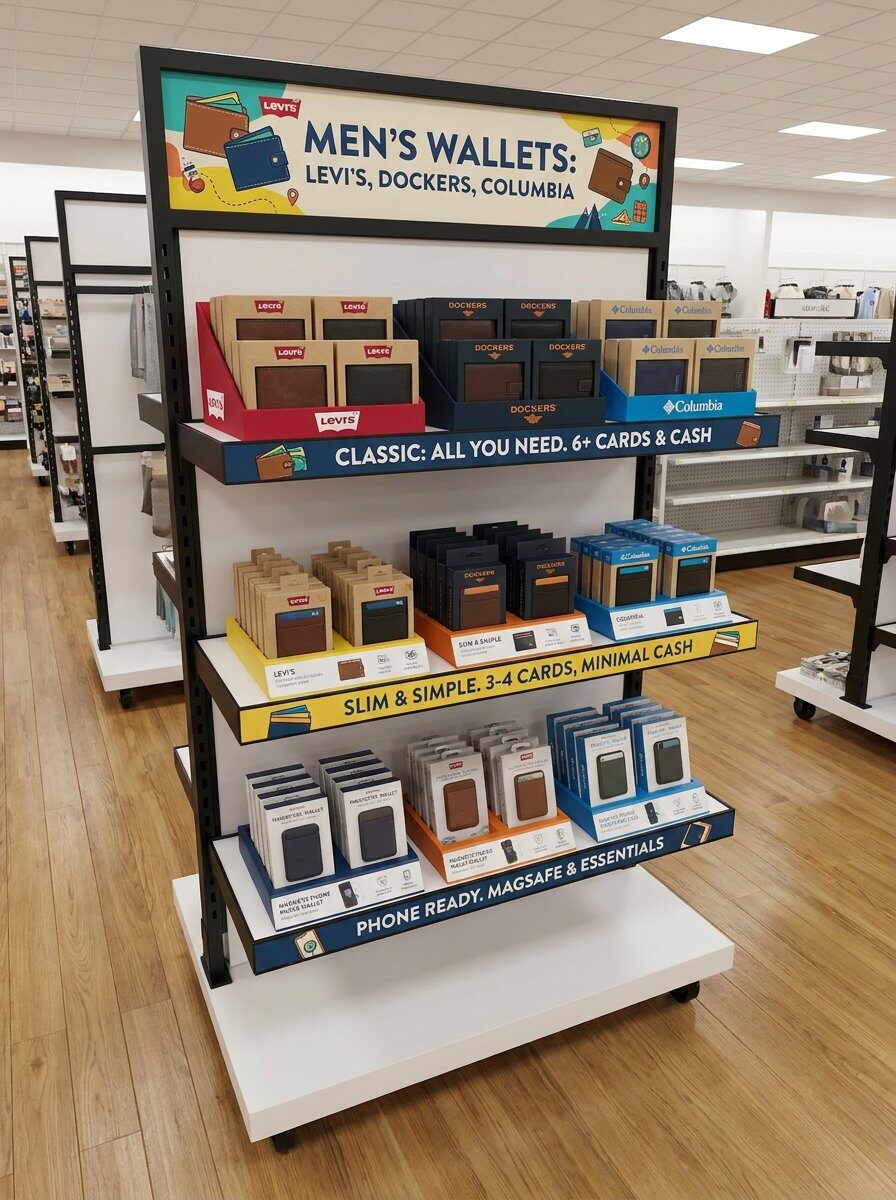
I photographed what good already looked like elsewhere in the same store: feature icons on shelf cards, rail labels that navigate by need, and branded table signage. None of it was being used on our wall.
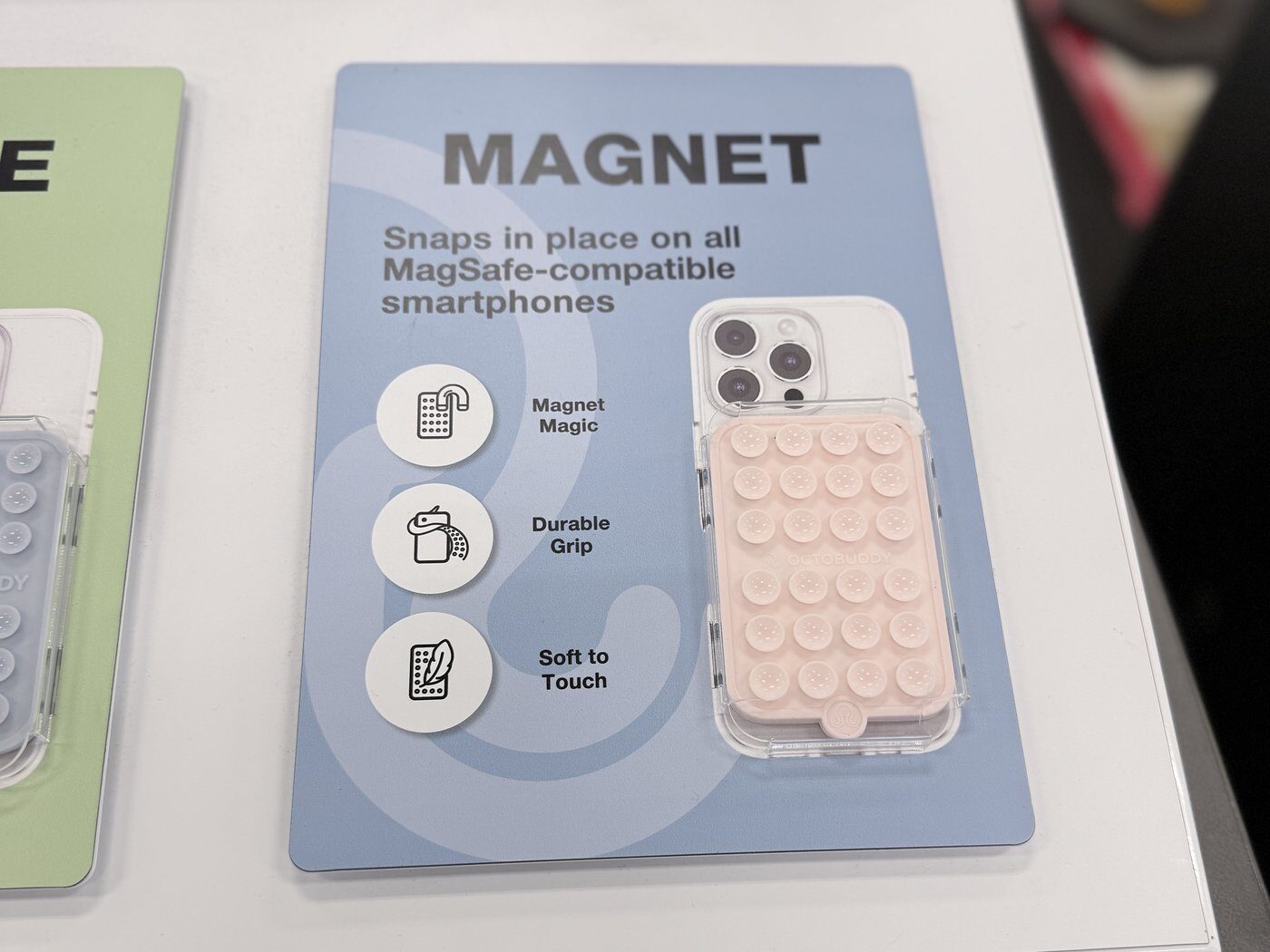
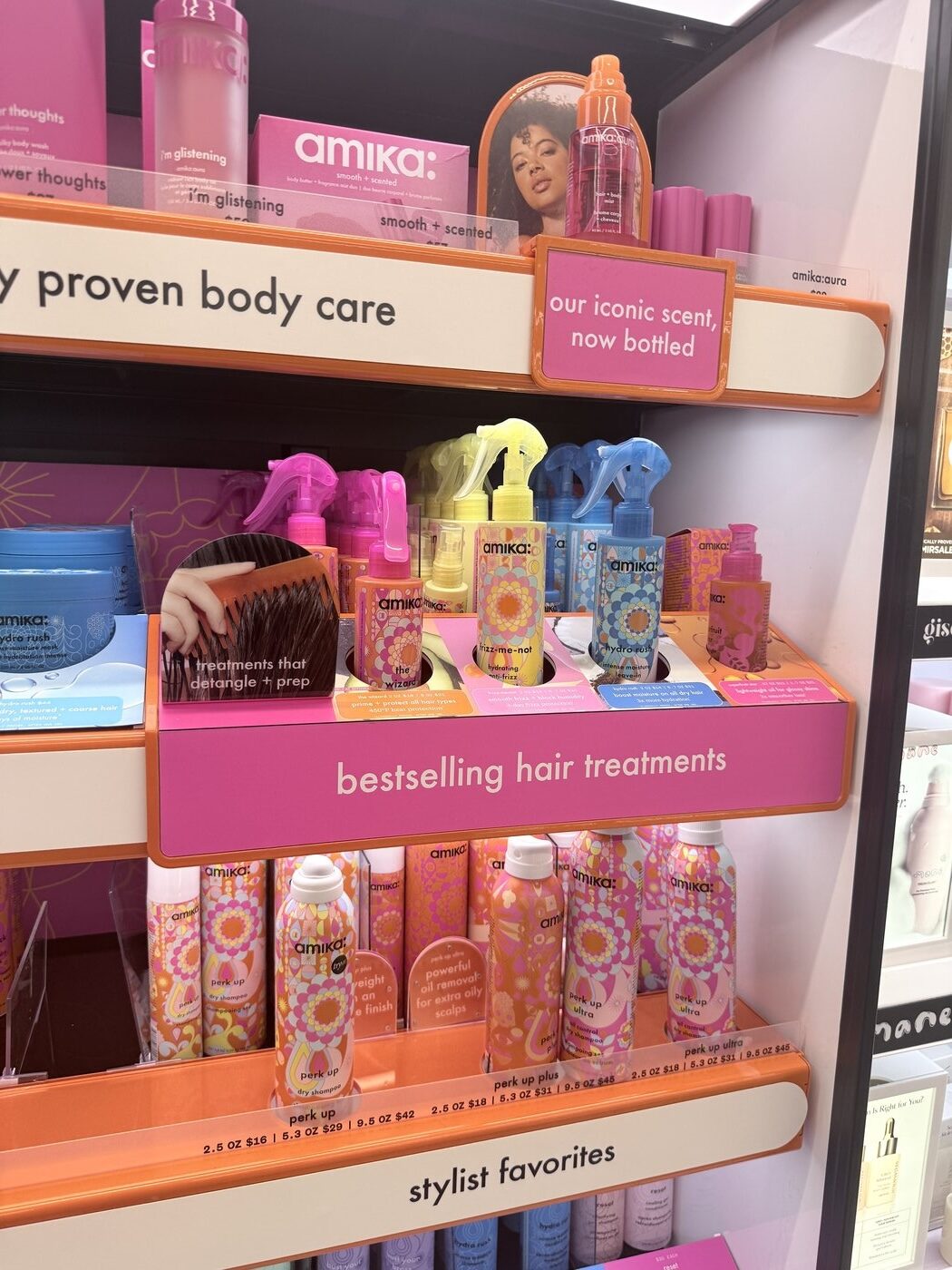
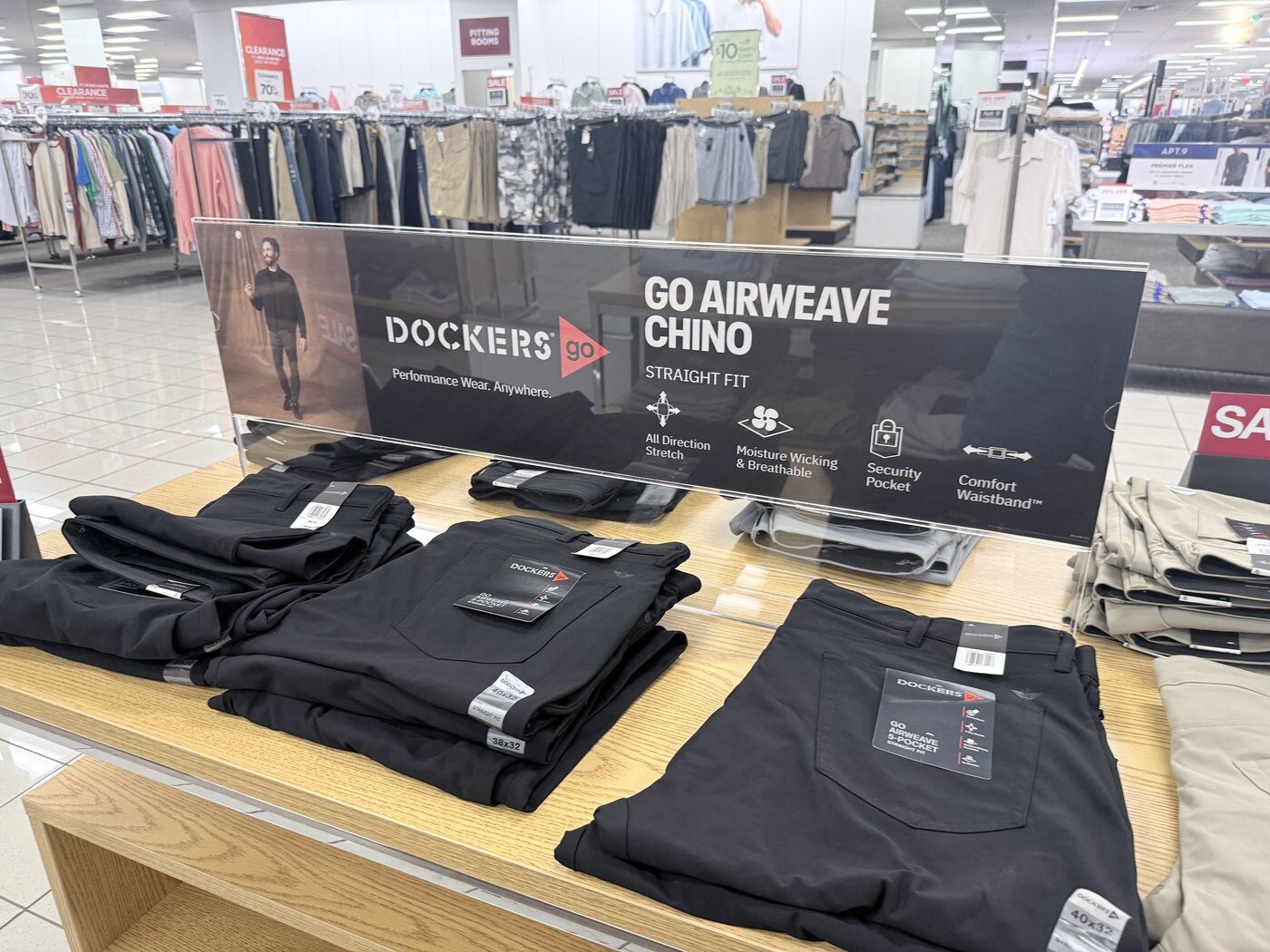
The box is the first thing a gift giver buys. Make it worth buying.
On packaging
A website, not a deck
A fifty slide deck about why the category needs rethinking is a deck nobody opens twice.
So I built the strategy as a website, using AI to write the code. Sales could send a link instead of a 40 megabyte attachment, everyone opened the same current version on a laptop or a phone, and when a number changed I changed it once.
Live view of the strategy site. Scroll inside the frame, or open it full size below.
Men’s Wallet Program Strategy, Fall 2027
What AI did, and what I decided
Without AI, this would have been a simpler deck with far less research behind it. With it, I went from first research to a finished site in one to two weeks, alongside my regular work.
I used Claude and Gemini across the project. AI did the gathering and the building. The question, the frameworks and the calls on each brand were mine.
AI detailWhat AI did, and what I decided
| Step | AI helped with | I decided |
|---|---|---|
| Research | Finding the payment, cash and mobile ID data, with sources | The question to test: are wallets really dying? |
| Competition | Gathering competitor products and prices | The four competitive sets. I walked the stores and took the photos myself. |
| Strategy | Shaping the findings into a storyline | The carry ladder, where each of the nine brands sits and the price ladder |
| Site | Writing the code, drafting and tightening copy, generating some product images | A website over a deck |
AI detailHow I checked every number
Checking the numbers
A strategy built on wrong numbers is worse than no strategy. Every figure went through three checks before it went on the site.
Ask for sources
Had AI cite where each number came from.
Open the original
Went to the source for each figure and confirmed it.
Cross-check
Ran the same questions through a second tool to see if the answers matched.
It is the same rule I set for my design team: a person reviews AI work before it leaves the building. See Leading a Design Team into AI.
A category that got invested in again
I presented this to our sales team, to management and to the design team.
The result was a major push across the brands to design and refresh the wallet business, which is the opposite of where the conversation had been heading six months earlier. Instead of managing a category down, we were rebuilding it.
It also opened a door commercially. We secured a non-branded MagSafe program at Kohl’s, with real enthusiasm on their side for the strategy. That is the phone companion rung of the carry ladder, sold into the exact retailer whose fixture I had photographed as the problem.